Briefly
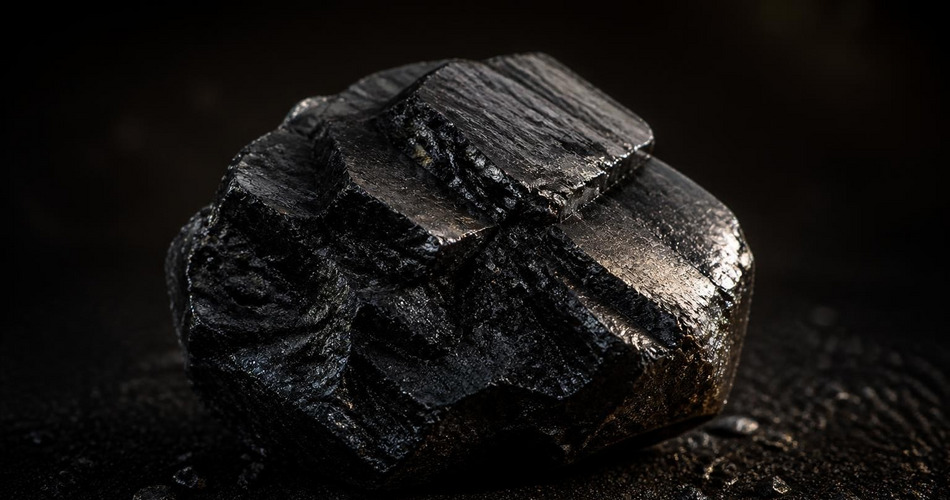
Coal is a powerful symbol of transformation, representing the ability to turn pressure and time into something valuable. It carries dual meanings of hidden potential and destruction, as it can both fuel life-sustaining energy and cause environmental harm. Across cultures, coal has been associated with wealth and industry, as well as with purification and protection in spiritual practices. Its deep black color links it to mystery, the unknown, and the subconscious.
What Does Coal Symbolize?
Coal primarily symbolizes transformation and hidden potential. Formed over millions of years from compressed organic matter, it embodies the idea that great pressure and time can create something of immense value. This makes coal a metaphor for personal growth through adversity.
Coal also represents energy and power, as it has been a primary fuel source for industrialization. Its ability to generate heat and light connects it to life force, warmth, and sustenance. At the same time, its black color associates it with mystery, the unknown, and the subconscious mind.
In many traditions, coal is linked to purification and protection. Its use in charcoal form for filtering and cleansing aligns it with spiritual purification rituals. It can also symbolize wealth and abundance, particularly in regions where coal mining has driven economic prosperity.
Positive and Negative Meanings
Positive associations: Coal is seen as a source of energy, warmth, and light, essential for human progress and comfort. It symbolizes resilience, as it is formed under extreme conditions, and represents the potential for positive change. In spiritual contexts, charcoal is used for purification and protection, absorbing negative energies.
Negative meanings: Coal also carries connotations of pollution, environmental destruction, and the dark side of industrialization. It can symbolize death, decay, and the oppressive nature of mining labor. Historically, coal mining has been associated with dangerous working conditions and exploitation, adding layers of suffering and hardship to its symbolism.
History and Origins of Coal Symbolism
The symbolic meanings of coal are deeply rooted in its practical uses throughout human history. Coal has been used as a fuel source for thousands of years, with evidence of its use in ancient China and the Roman Empire. However, its widespread symbolic significance emerged during the Industrial Revolution, when coal became the driving force behind factories, trains, and ships.
In many cultures, coal was seen as a gift from the earth, a store of ancient sunlight and life. Miners often developed their own folklore and superstitions around coal, viewing it as both a blessing and a curse. The black, shiny substance was also used in traditional medicine and as a pigment in art, further embedding it in cultural symbolism.
Coal Symbolism in Different Cultures
In Western cultures, coal is often associated with the Christmas tradition of giving coal to naughty children, a symbol of punishment and warning. This contrasts with its role as a gift of warmth and light during winter festivals.
In Chinese culture, coal has been used for centuries in traditional medicine and as a symbol of wealth and prosperity. The black color of coal is associated with water and the north in Chinese cosmology, representing wisdom and depth.
In some African traditions, charcoal is used in rituals for purification and protection. It is believed to absorb negative energies and ward off evil spirits. Similarly, in parts of Europe, coal was placed under beds or in corners of homes to protect against harm.
In Native American cultures, coal was sometimes used in ceremonies for its cleansing properties. The black color was associated with the earth and the underworld, representing the cycle of life, death, and rebirth.
Spiritual Meaning of Coal
Spiritually, coal represents hidden potential and the journey from darkness to light. It is a reminder that even in the darkest times, there is the potential for transformation and growth. The process of coal becoming a diamond under pressure is a common metaphor for spiritual evolution.
Charcoal, a form of coal, is used in many spiritual practices for purification. It is burned to cleanse spaces of negative energy, to carry prayers to the heavens, or to create sacred ash used in rituals. In some traditions, coal is seen as a grounding stone, connecting the user to the earth’s energy and providing stability.
Coal in Myths and Folklore
Coal appears in various myths and folklore, often tied to its mysterious origins and transformative properties. In European folklore, coal was sometimes believed to be the remains of ancient forests or the bones of giants, giving it a mythical quality.
In some mining communities, there are legends of mine spirits or knockers — supernatural beings that either help or hinder miners. Coal was seen as a gift from these spirits, and miners would leave offerings to ensure safety and good fortune.
The tradition of giving coal to naughty children at Christmas likely has roots in older folklore where coal was used as a symbol of punishment and warning. This custom persists in many cultures today, often alongside the figure of Krampus in Alpine regions.
Coal in Dreams
Dreaming of coal can have multiple interpretations depending on the context. Generally, coal in dreams symbolizes hidden potential or untapped energy. It may suggest that the dreamer has resources or abilities they have not yet recognized or used.
Coal can also represent hard work, labor, and the need to persevere through difficult circumstances. Finding coal in a dream might indicate an upcoming period of transformation or the discovery of something valuable after a long struggle.
Common Dream Scenarios
- Finding coal: Discovering coal in a dream often symbolizes uncovering hidden talents or opportunities that can lead to wealth or success.
- Burning coal: Seeing coal burning may represent passion, energy, or the release of pent-up emotions. It can also indicate a need for warmth or comfort.
- Mining coal: Dreaming of mining coal suggests hard work and perseverance. It may reflect the dreamer’s efforts to extract value from a difficult situation.
- Receiving coal as a gift: This can have dual meanings: it may symbolize punishment or warning, or it could represent a gift of warmth and sustenance, depending on the dream’s tone.
- Black coal dust: Coal dust in a dream might indicate feelings of being overwhelmed or polluted by negative influences. It can also suggest hidden dangers or health concerns.
Coal in Superstitions and Omens
Coal has been part of many superstitions, particularly in mining communities. Finding a piece of coal was often considered good luck, especially if it was shaped like a heart or a tool. In some traditions, carrying a small piece of coal in a pocket was believed to protect against evil spirits or bring prosperity.
In other superstitions, coal was used in divination. Dropping a piece of coal into water and interpreting its shape or behavior was thought to reveal future events. Coal was also placed under pillows to ward off nightmares or to bring prophetic dreams.
Coal in Art and Literature
Coal appears in various works of art and literature, often as a symbol of industrialization, labor, and social change. In literature, Emile Zola’s novel Germinal vividly portrays the lives of coal miners in 19th-century France, using coal as a symbol of both oppression and the potential for revolution. The novel’s title itself refers to the idea of new growth emerging from the darkness of the mines.
In visual art, the paintings of the Ashcan School in early 20th-century America often depicted coal miners and industrial landscapes, highlighting the grit and dignity of working-class life. Coal also appears in the works of British artist L.S. Lowry, whose paintings of industrial northern England frequently feature coal mines and slag heaps as central elements.
In poetry, coal is used as a metaphor for hidden potential and transformation. For example, the poet Seamus Heaney wrote about coal and mining in several poems, exploring themes of labor, memory, and the connection to the earth.
Frequently Asked Questions
Q: What does coal symbolize in dreams?
A: Coal in dreams often symbolizes hidden potential, untapped energy, or the need for hard work. It can also represent transformation, as coal is formed under pressure and can become a diamond.
Q: Is coal considered good luck?
A: In many cultures, finding a piece of coal is considered good luck, especially if it has an unusual shape. It is also used in protective charms and rituals.
Q: Why is coal given as a gift at Christmas?
A: The tradition of giving coal to naughty children at Christmas likely originated in European folklore as a symbol of punishment and warning, contrasting with the gifts of sweets or toys for well-behaved children.
Q: What is the spiritual meaning of coal?
A: Spiritually, coal represents hidden potential, transformation, and purification. It is used in rituals to cleanse spaces of negative energy and to ground the user to the earth.
Related Symbols
- Diamond — The ultimate transformation of coal under extreme pressure, symbolizing perfection and value.
- Charcoal — Used in purification rituals and art, representing cleansing and creativity.
- Black — The color of coal, associated with mystery, the unknown, and the subconscious.
- Fire — Coal’s primary use as fuel, symbolizing energy, passion, and transformation.
- Mining — The process of extracting coal, representing hard work, risk, and the search for hidden value.