
Briefly
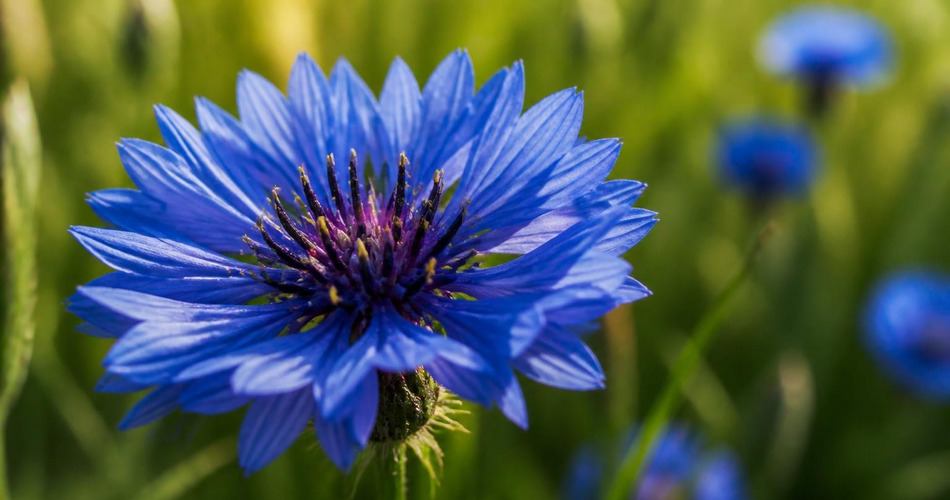
Cornflower is a vivid blue wildflower that has long been associated with hope, sensitivity, and remembrance. Its delicate petals and resilient growth in fields and meadows convey a sense of calm endurance and natural beauty. Across cultures, it has symbolized love, fidelity, and national identity, while also appearing in art, mythology, and folk traditions as a token of good fortune and spiritual connection.
What Does Cornflower Symbolize?
Cornflower primarily symbolizes hope and optimism. Its bright blue hue evokes clear skies and a sense of possibility, making it a natural emblem for looking forward with confidence. At the same time, the flower’s fragile appearance hints at sensitivity and tenderness, qualities often linked to romantic love and emotional depth. In many contexts, cornflower also represents remembrance, particularly in connection with war memorials and the honoring of veterans.
Another key layer of meaning is fidelity. The flower’s common name “bachelor’s button” comes from its historical use as a buttonhole adornment, often worn by young men to signal their romantic intentions or commitment. This practice reinforced the flower’s association with loyalty and steadfast affection.
Positive and Negative Meanings of Cornflower
Positive associations: Cornflower is widely seen as a symbol of hope, love, fidelity, and endurance. Its ability to thrive in poor soil and full sun makes it a metaphor for resilience. The flower’s calming blue color is also linked to peace, tranquility, and spiritual clarity.
Negative meanings: Because of its delicate petals and short blooming period, cornflower can represent fragility, impermanence, or fleeting beauty. In some historical contexts, it has been co-opted by political movements, which has given it a controversial association for some people. However, these negative connotations are less common than the positive ones.
History and Origins of Cornflower Symbolism
Cornflower (Centaurea cyanus) is native to Europe and has been cultivated for centuries. Its botanical name derives from the centaur Chiron of Greek mythology, who was said to have used the plant to heal wounds. This myth established an early link between cornflower and healing. In medieval Europe, the flower was often grown in gardens and used in herbal remedies for eye ailments, thanks to its blue color resembling the iris.
The name “cornflower” comes from its habit of growing in grain fields (corn being a general term for cereals). Farmers often viewed it as a weed, but its striking beauty led to its adoption as a garden ornamental. By the 19th century, the flower became a symbol of the German Romantic movement, celebrated in poetry and painting for its natural elegance and association with the countryside.
Cornflower Symbolism in Different Cultures
In Germany, the cornflower was a beloved emblem of the Romantic era and later became a national symbol. During the 19th century, it was worn by supporters of the German unification movement. In a more controversial turn, it was later used as a secret badge by members of the Nazi party, which has complicated its legacy in modern Germany.
In France, the cornflower (bleuet) is a symbol of remembrance for World War I veterans, similar to the poppy in the United Kingdom. The Bleuet de France charity sells paper cornflowers to support former soldiers and their families. This tradition has given the flower a powerful meaning of sacrifice and memory.
In the United States, cornflower is less prominent as a symbol but is often associated with wildflower meadows and natural beauty. It appears in folk art and gardening as a representation of simplicity and charm.
Spiritual Meaning of Cornflower
Spiritually, cornflower is seen as a flower of inner peace and clarity. Its blue color is often linked to the throat chakra, which governs communication and self-expression. Meditating on the cornflower’s color or image is thought to encourage honest expression and emotional balance. The flower’s resilience also inspires spiritual endurance and faith during difficult times.
In some New Age practices, cornflower is used in rituals for attracting love, enhancing psychic sensitivity, or promoting calm after grief. Its gentle energy is considered soothing and uplifting.
Cornflower in Myths and Folklore
The most famous myth involving cornflower comes from Greek mythology. The centaur Chiron, known for his wisdom and healing abilities, was said to have used cornflower to treat wounds. The genus name Centaurea honors this connection. This myth imbues the flower with symbolism of healing and knowledge.
In European folklore, cornflower was often used in love divination. Young women would place a cornflower under their pillow to dream of their future spouse, or they would weave it into garlands to attract true love. The flower was also believed to protect against evil spirits and bring good luck when worn.
Another folk tradition held that if a cornflower wilted quickly after being picked, it was a sign of unrequited love or a broken heart. This belief reinforced the flower’s association with emotional vulnerability.
Cornflower in Dreams
Dreaming of cornflowers often carries positive connotations. The flower’s bright blue color can symbolize hope, new beginnings, or a fresh perspective. It may also represent a desire for emotional connection or a reminder to remain sensitive to others’ feelings.
If the cornflower appears in a field or meadow, it can indicate a period of growth and natural abundance. A wilted or dying cornflower in a dream may reflect feelings of loss, fading hope, or the end of a romantic relationship.
Common Dream Scenarios with Cornflower
- Picking cornflowers: Symbolizes taking action to pursue hope or love in waking life.
- Receiving a cornflower as a gift: Suggests an upcoming expression of affection or loyalty from someone close.
- A field of cornflowers: Represents abundance, peace, and a sense of belonging.
- Wilted cornflower: May indicate disappointment, heartbreak, or the need to let go of unrealistic expectations.
Cornflower in Superstitions and Omens
In many European folk traditions, cornflower was considered a lucky charm. Carrying a dried cornflower in a pocket was thought to attract love and protect against harm. In some regions, it was also used in wedding bouquets to ensure fidelity and a happy marriage.
Conversely, if a cornflower was accidentally brought indoors, it was sometimes seen as an omen of bad luck, particularly if it wilted quickly. This belief may stem from the flower’s association with the transient nature of life and love.
Cornflower in Art and Literature
Cornflower appears in several notable works of art. Vincent van Gogh painted Wheatfield with Cornflowers (1890), a vibrant landscape that contrasts the blue flowers with golden wheat. The painting captures the flower’s role as a wild beauty in the rural landscape and reflects van Gogh’s emotional state during his final years.
In literature, the cornflower is a recurring motif in German Romantic poetry. The poet Joseph von Eichendorff often used wildflowers, including cornflowers, to symbolize longing and connection to nature. More recently, the flower appears in the novel The Cornflower by Ukrainian writer Olena Pchilka, where it represents national identity and resilience.
Cornflower Tattoo Meaning
Cornflower tattoos are chosen for their aesthetic appeal and symbolic depth. The blue petals can represent hope, peace, and spiritual growth. Many people choose a cornflower tattoo to honor a loved one or to commemorate a period of personal transformation. The flower’s association with remembrance makes it a popular choice for memorial tattoos, especially in France where the bleuet is a symbol of wartime sacrifice.
In combination with other elements, such as a butterfly or a name, the cornflower tattoo can emphasize themes of freedom, love, or eternal memory.
Meanings of Different Colors of Cornflower
- Blue cornflower: The classic color symbolizes hope, fidelity, and tranquility.
- White cornflower: Represents purity, innocence, and new beginnings.
- Pink cornflower: Often associated with romantic love, tenderness, and affection.
- Purple cornflower: A rarer variety that can signify spirituality, mystery, or royalty.
Frequently Asked Questions About Cornflower Symbolism
Q: What does a cornflower symbolize in love?
A: Cornflower symbolizes fidelity and true love, often used in romantic contexts to express commitment and devotion.
Q: Is cornflower a symbol of remembrance?
A: Yes, especially in France where the bleuet is worn to honor World War I veterans, similar to the poppy in the UK.
Q: What does a cornflower tattoo mean?
A: A cornflower tattoo typically represents hope, peace, remembrance, or a connection to nature and spiritual growth.
Q: Are there negative meanings associated with cornflower?
A: In some historical contexts, cornflower has been linked to political extremism, but its primary symbolism remains positive.
Related Symbols
- Poppy: Another flower of remembrance, especially for war veterans.
- Daisy: Symbolizes innocence and simplicity, similar to cornflower’s wild charm.
- Bluebell: Shares the blue color and associations with humility and constancy.
- Bachelor’s Button: An alternative name for cornflower, emphasizing its link to love and fidelity.
- Forget-me-not: A blue flower symbolizing remembrance and true love.


