
Briefly
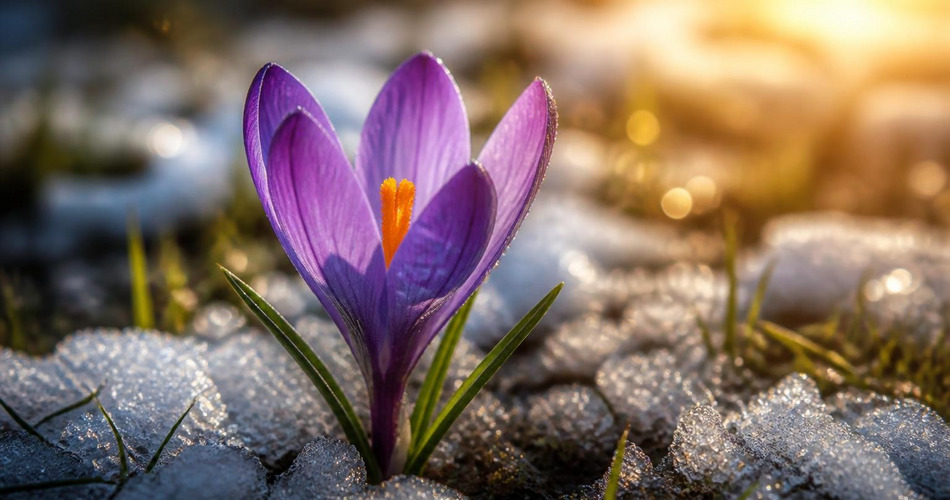
The crocus is one of the first flowers to bloom at winter’s end, making it a powerful symbol of hope, renewal, and the triumph of light over darkness. Its delicate cup-shaped blossoms in purple, white, yellow, and blue have been admired for millennia, not only for their beauty but also for the precious spice saffron derived from Crocus sativus. Across cultures, the crocus represents the joy of new beginnings, the fleeting nature of beauty, and the promise of brighter days ahead.
What Does Crocus Symbolize?
The crocus is most widely recognized as a symbol of hope and rebirth. Because it pushes through snow and frozen ground to bloom in early spring, it embodies the resilience of life and the certainty that winter will end. This makes it a universal emblem of optimism and fresh starts. The flower also represents joy, cheerfulness, and the awakening of the senses after a long, dormant period.
In addition to these uplifting meanings, the crocus is associated with youthful love and the excitement of new romance. Its brief but vivid flowering period reminds us to appreciate the present moment and the beauty that can arise from adversity. The crocus also carries connotations of dignity and worth, especially the saffron crocus, whose stigmas have been valued as a luxury spice and dye for thousands of years.
Positive and Negative Meanings
Positive associations: The crocus primarily signifies hope, renewal, and the arrival of spring. It is a flower of celebration, marking the end of hardship and the beginning of a brighter season. Its early appearance inspires courage and perseverance, while its bright colors evoke happiness and vitality. In many traditions, the crocus is also a symbol of spiritual awakening and inner light.
Negative meanings: The crocus’s short blooming period can symbolize the fleeting nature of beauty, happiness, or life itself. Its delicate petals are easily damaged by harsh weather, reminding us of vulnerability and impermanence. In some contexts, the autumn crocus (Colchicum autumnale) is associated with danger due to its toxicity, though this is a different genus. The preciousness of saffron has also been linked to greed and excess in cautionary tales.
History and Origins of Crocus Symbolism
The crocus has been cultivated since ancient times, with evidence of its use in Minoan Crete (c. 1600 BCE) where saffron was harvested for dye and ritual. The name “crocus” comes from the Greek word krokos, which itself may derive from a Semitic root meaning “saffron.” The flower’s association with hope and renewal is deeply tied to its natural cycle: it is one of the first blooms after winter, often appearing while snow still lies on the ground.
In ancient Persia, crocus (especially saffron) was highly prized and featured in royal gardens, textiles, and perfumes. The Greeks told the story of Crocus, a mortal youth who was transformed into the flower by the gods, linking the plant to themes of love and loss. The Romans used crocus in festivals and as a symbol of joy, scattering its petals at celebrations.
Crocus Symbolism in Different Cultures
In Greek mythology, the crocus is tied to the story of Crocus and the nymph Smilax. According to Ovid’s Metamorphoses, Crocus was a handsome youth who spurned Smilax’s advances; in some versions, the gods turned him into a flower and her into a bindweed. This tale gives the crocus associations with unrequited love and transformation.
In Persian culture, the crocus (especially saffron) symbolizes royalty, wealth, and spiritual purity. Saffron threads were used in royal robes, religious ceremonies, and as a dye for sacred texts. The flower’s golden stigmas were seen as a gift from the gods, representing the sun’s life-giving energy.
In European folklore, the crocus is a herald of spring and is often associated with the Virgin Mary in Christian symbolism, representing purity and the Annunciation. In Victorian flower language, a crocus given to someone conveyed “cheerfulness” and “do not abuse my love.”
Spiritual Meaning of Crocus
Spiritually, the crocus is seen as a symbol of awakening and the emergence of the soul from darkness. Its ability to bloom in cold, barren conditions mirrors the spiritual journey of finding light within hardship. In some traditions, the crocus is linked to the third eye chakra due to its purple hues and association with insight and intuition.
The crocus also represents the cycle of death and rebirth, reminding us that endings are necessary for new beginnings. Its brief but brilliant flowering encourages mindfulness and gratitude for the present moment. For those seeking renewal, the crocus serves as a natural emblem of hope and inner strength.
Crocus in Myths and Folklore
The most famous myth involving the crocus is the Greek story of Crocus and Smilax. In Ovid’s telling, the youth Crocus was transformed into the flower after a tragic love affair. This myth underscores themes of transformation, unfulfilled desire, and the beauty that can emerge from sorrow.
In Persian folklore, the crocus is sometimes said to have grown from the tears of a lover, explaining its association with both joy and sadness. In parts of Europe, it was believed that planting crocuses near the home would bring good luck and protect against evil spirits. The flower’s early appearance also made it a symbol of the resurrection in Christian allegory.
Crocus in Superstitions and Omens
In some folk traditions, seeing the first crocus of spring is considered a good omen, promising a bountiful season ahead. Bringing crocus blossoms into the house is thought to invite happiness and drive away winter gloom. However, because the flower blooms so briefly, it was sometimes seen as a warning not to take joy for granted.
In herbal folklore, crocus (especially saffron) was used in love charms and to promote fertility. The autumn crocus, on the other hand, was feared for its toxicity and associated with death, though this is a different plant (Colchicum).
Crocus Tattoo Meaning
A crocus tattoo often symbolizes new beginnings, hope, and the ability to thrive after difficult times. The flower’s emergence from snow makes it a popular choice for those who have overcome hardship or are starting a new chapter in life. Its delicate beauty also represents appreciation for the present and the fleeting nature of time.
Color choices in crocus tattoos carry additional meaning: purple for spirituality and royalty, yellow for joy and friendship, white for purity and peace. The saffron crocus may be chosen to represent wealth, luxury, or a connection to Persian heritage.
Meanings of Different Crocus Colors and Varieties
- Purple crocus: The most common color, symbolizing royalty, dignity, and spiritual awakening. Often associated with the third eye chakra.
- White crocus: Represents purity, innocence, and new beginnings. A popular choice for weddings and spring celebrations.
- Yellow crocus: Symbolizes joy, friendship, and the warmth of the sun. Brings a cheerful energy to gardens and bouquets.
- Blue crocus: Less common, but associated with tranquility, peace, and the sky. Can represent calm after a storm.
- Saffron crocus (Crocus sativus): The most prized variety, valued for its crimson stigmas. Symbolizes wealth, luxury, and the preciousness of life. In some cultures, it also represents sacrifice due to the labor-intensive harvest.
Frequently Asked Questions
Q: What does a crocus flower symbolize?
A: The crocus primarily symbolizes hope, rebirth, and the arrival of spring. It also represents joy, new beginnings, and the fleeting nature of beauty.
Q: Is crocus associated with any specific myths?
A: Yes, in Greek mythology the crocus is linked to the story of Crocus and the nymph Smilax, where the youth was transformed into the flower after unrequited love.
Q: What is the spiritual meaning of crocus?
A: Spiritually, the crocus represents awakening, inner light, and the soul’s emergence from darkness. It is often seen as a symbol of renewal and mindfulness.
Q: What does a crocus tattoo mean?
A: A crocus tattoo commonly signifies new beginnings, hope, and resilience. Color variations add layers of meaning, such as purple for spirituality or yellow for joy.
Related Symbols
- Snowdrop – another early spring flower symbolizing hope and purity
- Daffodil – represents rebirth, new beginnings, and the arrival of spring
- Tulip – associated with perfect love, renewal, and spring
- Lily – symbolizes purity, resurrection, and transition
- Saffron – the spice derived from crocus, representing wealth, luxury, and spiritual illumination


