Briefly
The dandelion is a symbol of resilience, hope, and the fulfillment of wishes. Its bright yellow flower and airy seed head represent the sun, joy, and the ability to spread one’s dreams across the world. At the same time, its deep taproot and ability to grow in harsh conditions make it an emblem of perseverance and survival. The dandelion also carries meanings of healing, as it has been used in traditional medicine for centuries. Its life cycle—from flower to seed puff—mirrors the cycles of life, death, and rebirth.
What Does the Dandelion Symbolize?
The dandelion is most commonly associated with wishes and the act of blowing its seeds into the wind to make a dream come true. This simple childhood ritual has given the flower a lighthearted, hopeful symbolism. Beyond wishes, the dandelion represents resilience: it can grow in cracks in the pavement, in poor soil, and despite being mowed down, it returns year after year. This tenacity makes it a symbol of overcoming adversity and thriving in difficult circumstances.
The dandelion also symbolizes healing. Its leaves, roots, and flowers have been used in herbal medicine to treat digestive issues, liver problems, and skin conditions. In this context, the dandelion stands for natural health and the body’s ability to restore itself. Additionally, the dandelion’s transformation from a bright yellow flower to a delicate white puffball represents the passage of time, the fleeting nature of youth, and the beauty of letting go.
Positive and Negative Meanings
Positive associations: The dandelion is widely seen as a symbol of hope, joy, and simplicity. Its cheerful yellow color evokes sunshine and happiness. The act of blowing the seeds is associated with making wishes and sending positive intentions into the universe. The plant’s hardiness also represents strength, adaptability, and the ability to flourish without much care. In many cultures, dandelions are considered lucky and are used in rituals to attract good fortune.
Negative meanings: To gardeners and lawn enthusiasts, the dandelion is often viewed as a persistent weed that invades manicured spaces. This negative association stems from its aggressive growth and deep taproot, which make it difficult to remove. In this context, the dandelion can symbolize stubbornness, invasiveness, or unwanted persistence. It may also represent neglect, as a lawn full of dandelions is sometimes seen as unkempt. However, even this negative view can be reframed as a testament to the plant’s resilience.
History and Origins of Dandelion Symbolism
The dandelion (Taraxacum officinale) is native to Europe and Asia but has spread to nearly every continent. Its name comes from the French dent de lion, meaning “lion’s tooth,” referring to the jagged shape of its leaves. For centuries, dandelions have been used in traditional medicine across cultures—from Chinese herbalism to Native American remedies—treating ailments such as fever, digestive issues, and skin problems. This medicinal history contributed to its symbolism of healing and vitality.
The wish-making tradition likely originated in Europe, where children would blow the seed head and make a wish, believing the seeds would carry their desires to the heavens. Over time, this practice became a universal symbol of hope and the power of intention. The dandelion’s ability to thrive in disturbed soil also made it a symbol of resilience during times of hardship, such as war or economic struggle, when people saw it as a reminder that life persists even in barren conditions.
Dandelion Symbolism in Different Cultures
In European folklore, dandelions were often associated with the sun and the summer solstice. They were used in divination rituals, such as blowing the seeds to determine whether a loved one would return. In some traditions, the number of seeds left on the stem after blowing indicated the number of years until marriage or the fulfillment of a wish.
In Chinese culture, dandelion (known as pu gong ying) is valued for its medicinal properties, particularly for detoxifying the liver and reducing inflammation. It symbolizes health and cleansing. In Native American traditions, dandelion was used as a food and medicine, and its bright flower was seen as a symbol of the sun’s life-giving energy. Some tribes used it in ceremonies to bring about positive change.
In modern Western culture, the dandelion has become a symbol of childhood innocence and simple pleasures. The act of blowing dandelion seeds is a nostalgic memory for many, representing carefree days and the magic of making wishes. It also appears in environmental movements as a symbol of nature’s resilience against human intervention.
Spiritual Meaning of Dandelion
Spiritually, the dandelion is often seen as a messenger of hope and a reminder to stay grounded while reaching for the sky. Its deep taproot symbolizes a strong connection to the earth and one’s roots, while its upward-reaching flower and airborne seeds represent spiritual growth and the release of earthly attachments. The dandelion’s life cycle—from flower to seed to new growth—mirrors the soul’s journey through birth, death, and rebirth.
In meditation and spiritual practices, the dandelion is used as a symbol of letting go. Blowing the seeds is a physical act of releasing worries, fears, or negative thoughts into the universe. It also encourages trust in the divine timing of life, as the seeds are carried by the wind to unknown destinations where they will take root. The dandelion teaches that even in the most unlikely places, new life can flourish.
Dandelion in Myths and Folklore
One of the most enduring pieces of dandelion folklore is the wish-making ritual. Children (and adults) pick a dandelion seed head, make a wish, and blow the seeds into the wind. If all seeds are blown away in one breath, the wish is said to come true. This tradition appears in many cultures and has been passed down for generations.
In some European folk tales, dandelions were believed to possess magical properties. They were used in love spells and to predict the future. For example, a girl would blow the seeds and count how many remained; an even number meant her lover was faithful, an odd number meant he was not. Dandelion roots were also carried as talismans for protection and good luck. In Celtic mythology, the dandelion was associated with the faerie realm, and it was said that picking a dandelion could open a portal to the Otherworld.
Dandelion in Dreams
Dreaming of dandelions often carries positive meanings related to wishes, hope, and new beginnings. A dandelion in full bloom may represent a period of happiness and joy, while a seed head being blown suggests the release of old burdens or the manifestation of desires. The specific context of the dream can provide deeper insight.
Common Dream Scenarios
- Blowing dandelion seeds: This dream often symbolizes letting go of something—a worry, a relationship, or a past hurt—and trusting that the future will bring what is meant for you. It can also indicate that a wish or goal is about to come true.
- Seeing a field of dandelions: A field of yellow dandelions represents abundance, joy, and a carefree spirit. It may suggest that you are surrounded by positive energy and opportunities.
- Picking a dandelion: This can symbolize taking hold of an opportunity or making a conscious decision to pursue a dream. It may also indicate a desire for simplicity and natural beauty in your life.
- Dandelions growing in unexpected places: A dandelion sprouting from a crack in concrete or in a barren area represents resilience and the ability to thrive despite challenges. It encourages you to find strength in adversity.
Dandelion in Superstitions and Omens
Dandelions have been part of various superstitions across cultures. In some European traditions, it was considered bad luck to bring dandelions into the house, as they were thought to bring bedwetting or other misfortunes. However, this belief was not widespread. More commonly, dandelions were seen as good omens. Finding a dandelion in bloom early in the spring was considered a sign of a prosperous year ahead.
Another superstition involves the direction the seeds blow. If you blow a dandelion seed head and the seeds fly toward you, it is said that a wish will be granted soon. If they blow away from you, the wish may take longer to fulfill. Some also believe that the number of seeds left on the stem after blowing indicates the number of children you will have.
In some cultures, dandelion roots were dried and carried as amulets to ward off evil spirits or to attract love. The plant’s bright yellow flower was associated with the sun and was thought to bring warmth and light into the home.
Dandelion in Art and Literature
The dandelion appears in several notable works of literature and art. One of the most famous literary references is Ray Bradbury’s novel Dandelion Wine (1957). In the book, dandelion wine is a metaphor for capturing the essence of summer and the magic of childhood. The process of making wine from dandelions represents bottling memories and preserving the joy of a fleeting season. Bradbury uses the dandelion to symbolize the sweetness of life and the importance of savoring small moments.
In poetry, dandelions often appear as symbols of resilience and the beauty of ordinary things. For example, the American poet Emily Dickinson wrote a poem titled “The Dandelion’s Pallbearers” (though not one of her most famous works), and the dandelion is a recurring image in her nature poetry, representing both fragility and strength. The dandelion also appears in children’s literature, such as in Robert Louis Stevenson’s A Child’s Garden of Verses, where it is celebrated as a simple, joyful flower.
In visual art, dandelions have been painted by many artists, including the Impressionists. Claude Monet included dandelions in some of his garden scenes, capturing their bright yellow against green grass. Contemporary artists often use the dandelion seed head as a symbol of transience and the passage of time, sometimes in photographic or digital art.
Dandelion Tattoo Meaning
Dandelion tattoos are popular for their symbolic depth and aesthetic appeal. A dandelion tattoo often represents wishes, freedom, and letting go. The image of seeds blowing away in the wind can symbolize release from past trauma, a fresh start, or the pursuit of dreams. Many people choose dandelion tattoos to commemorate a significant life change or to honor a loved one who has passed away, as the seeds represent the soul moving on.
The dandelion flower tattoo, in its yellow bloom, symbolizes joy, optimism, and resilience. It can also represent a connection to nature and a simple, grounded lifestyle. Some designs incorporate the dandelion’s root system, emphasizing the importance of staying rooted while reaching for the sky. The combination of the flower and the seed head in one tattoo can represent the cycle of life and the balance between holding on and letting go.
Meanings of Different Dandelion Variations
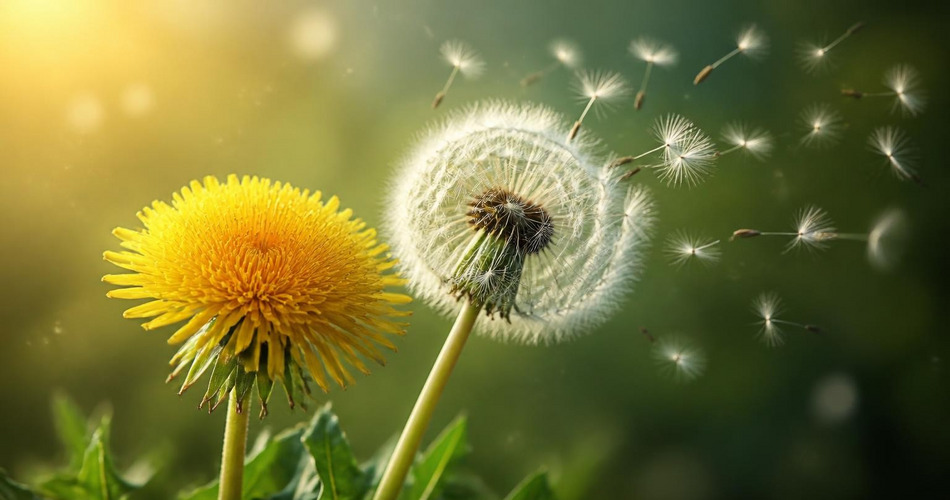
While the common dandelion is yellow, variations in color and form carry different symbolic nuances. The yellow dandelion flower is the most recognized form and symbolizes happiness, sunshine, and vitality. It is associated with the solar plexus chakra and personal power. The white puffball seed head (often called a “dandelion clock”) represents wishes, dreams, and the passage of time. It is also a symbol of childhood innocence and the magic of believing.
In some regions, there are red- or pink-petaled dandelions, though they are less common. These may symbolize passion, love, or a more intense form of resilience. The dandelion leaf itself, with its jagged shape, is sometimes used as a symbol of protection or as a reminder of the plant’s medicinal properties. In herbal symbolism, the leaf represents healing and nourishment.
Frequently Asked Questions
Q: What does a dandelion symbolize?
A: A dandelion symbolizes resilience, wishes, hope, healing, and the cycle of life. It represents the ability to thrive in difficult conditions and the power of simple dreams.
Q: Is a dandelion a weed or a flower?
A: Botanically, a dandelion is a flowering plant, but it is often considered a weed in cultivated lawns. Its symbolism can be positive (resilience) or negative (invasiveness) depending on context.
Q: What does blowing a dandelion mean?
A: Blowing a dandelion seed head is a traditional way to make a wish. It symbolizes letting go of desires and trusting that they will be fulfilled. It also represents the release of burdens and the acceptance of change.
Q: What does a dandelion tattoo mean?
A: A dandelion tattoo often represents wishes, freedom, letting go, and resilience. It can commemorate a fresh start, a loved one, or a significant life transition.
Q: Are dandelions mentioned in the Bible?
A: Dandelions are not specifically mentioned in the Bible. However, the concept of weeds and wildflowers appears in parables, and some interpret the dandelion’s resilience as a symbol of faith.
Related Symbols
- Sunflower – Both are bright yellow flowers associated with the sun, joy, and positivity.
- Lotus – Like the dandelion, the lotus symbolizes resilience and rebirth, growing in muddy waters.
- Butterfly – Represents transformation and the beauty of change, similar to the dandelion’s life cycle.
- Feather – Often symbolizes lightness, freedom, and the carrying of wishes on the wind.
- Clover – A symbol of luck and wishes, often paired with dandelions in folklore.