Briefly
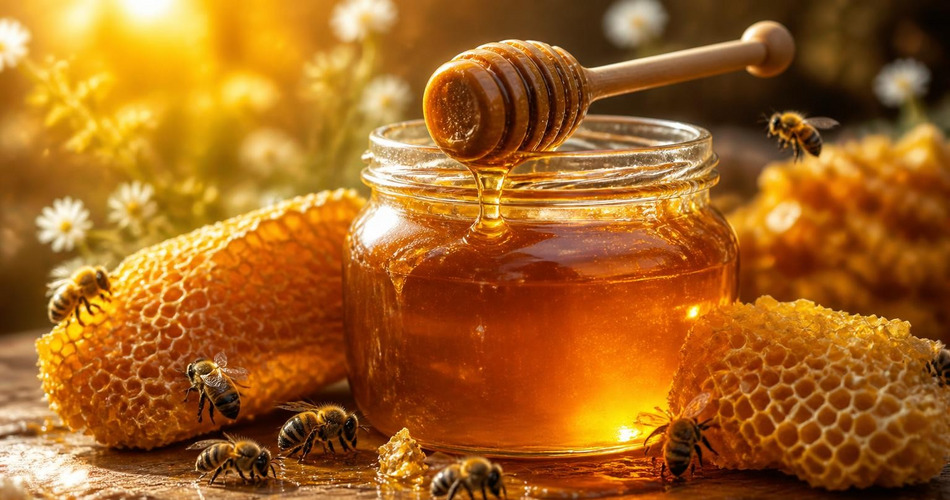
Honey has long been a universal symbol of abundance, sweetness, and the rewards of honest labor. Produced by bees through tireless work, it represents the sweet outcomes of perseverance and the blessings of nature. Across ancient civilizations and modern traditions alike, honey carries meanings of purity, healing, and divine favor, while also serving as a metaphor for pleasant but fleeting pleasures. Its symbolic richness spans religious texts, cultural rituals, and the quiet wisdom of everyday life.
What Does Honey Symbolize?
At its core, honey symbolizes sweetness—both literal and figurative. It is associated with the pleasant aspects of life: joy, good fortune, and the fulfillment of desires. In many traditions, honey represents the accumulation of wisdom through patience and industry, mirroring the bee’s diligent foraging and transformation of nectar.
Honey also embodies purity and preservation. Because it does not spoil naturally and has antibacterial properties, it came to symbolize the incorruptible and the sacred. The golden color and delicate flavor link it to the sun, warmth, and spiritual illumination.
Positive and Negative Meanings
Positive associations: Honey is celebrated as a gift of nature that brings health, vitality, and longevity. It signifies prosperity, fertility, and the sweetness of a well-lived life. In religious contexts, it represents divine blessing and the promised rewards of faith. Honey is also a symbol of wisdom, as the bee’s ability to create something precious from raw flowers inspires the pursuit of knowledge.
Negative meanings: In some interpretations, honey can caution against overindulgence—its cloying sweetness warns of gluttony and the dangers of excessive pleasure. It also appears in moral lessons as the allure of “honeyed words” that may disguise deceit or flattery. Rarely, honey’s association with death in ancient tomb offerings ties it to the finality of the grave, though this more reflects reverence than negativity.
History and Origins of Honey Symbolism
Honey’s symbolic journey begins in prehistory. Cave paintings in Spain, dating to around 7000 BCE, show humans gathering honey from wild nests, marking it as one of the oldest foods consumed by our ancestors. In ancient Egypt, honey was a sacred offering placed in pharaohs’ tombs to nourish them in the afterlife, and it was also used as an embalming agent—evidence of its perceived power over death.
In classical Greek culture, honey was the beverage of the gods. The name “ambrosia” often extended to honey, and it was believed to grant immortality. The Greek historian Herodotus noted that honey was so valued that it was used as a tribute to the Persian king. This ancient esteem laid the groundwork for honey as a symbol of opulence and divine favor.
Honey Symbolism in Different Cultures
Egyptian culture: Honey was a symbol of resurrection and the cycle of life. It was used in religious rituals and as a funerary offering to ensure a sweet afterlife for the deceased.
Hindu tradition: In Vedic rituals, honey is a sacred element in Madhu ceremonies, representing the union of opposites and the sweetness of cosmic creation. It is used in the consecration of temples and as a purifying agent.
Christianity: The Bible repeatedly describes the Promised Land as flowing with milk and honey, symbolizing God’s abundant provision and the sweetness of grace. In the Eucharist ritual, honey is sometimes used as a substitute for wine, signifying purity.
Islamic belief: The Quran dedicates a verse to honey, stating that it “contains healing for mankind.” It is considered a blessed food that embodies the wisdom of divine creation.
African folk customs: Across many African societies, honey represents community and the collective effort of the hive. It is offered to ancestors to attract their blessings and ensure tribal continuity.
Spiritual Meaning of Honey
In spiritual contexts, honey is a conduit for divine energy. Its golden hue mirrors the light of the sun, linking it to enlightenment and the awakening of inner wisdom. Many ascetics in Eastern traditions consume honey to purify the body and mind during meditation, believing it elevates the spirit and fosters clarity.
For those on a spiritual path, honey teaches the value of inner sweetness. It encourages one to cultivate patience, persistence, and humility—qualities embodied by the bee. The honeycomb, with its perfect hexagonal cells, is seen as a blueprint of cosmic order, reminding us that harmony and structure exist within the natural world.
Honey in Myths and Folklore
Mythology abounds with honey’s miraculous properties. In Greek myth, the infant Zeus was nourished on honey by the Melissae (bee nymphs), granting him the strength to overthrow the Titans. The Hindu epic Mahabharata mentions honey as a celestial food, while Norse legend tells of the “mead of poetry,” brewed from honey, that endowed bards with wisdom and eloquence.
Folklore across Europe holds that bees are messengers between the human world and the spirit realm. Telling the bees of a death in the household was a common custom, ensuring they would continue to singing and protect the family. Honey itself was believed to ward off evil spirits and bring luck to new homes, often being included in housewarming gifts.
Honey in Dreams
Dreaming of honey is generally a fortunate sign. It often points to prosperity and the sweet culmination of efforts underway. Because honey is a product of diligent work, such dreams may encourage the dreamer to remain patient and trust in their labor.
Dreams where you taste honey may indicate a period of healing and nourishment, while seeing honey dripping suggest an overflow of blessings. However, if the honey is sour or contaminated, it could serve as a warning against misplaced trust or the seduction of easy pleasures.
Common Dream Scenarios
- Eating honey: Symbolizes joy, contentment, and a reward for past efforts.
- Collecting honey: Represents the honest acquisition of wealth and the fruits of your work.
- Spilling honey: May suggest wasted opportunities or the risk of losing something precious through carelessness.
- Honeycomb: Indicates structure, community, and the benefits of organized teamwork.
- Honey jar: A symbol of abundance that is stored and ready for future use.
Honey in Superstitions and Omens
Honey has a strong presence in folk superstitions. In some Slavic traditions, placing a small jar of honey near the altar during a wedding ensures a sweet and harmonious marriage. Others believe that a bee entering the home with a drop of honey on its legs promises a windfall.
In rural England, it was customary to offer honey to farm workers after the first harvest, ensuring good luck for the remainder of the season. Conversely, spilling honey accidentally was thought to attract ants and, symbolically, petty problems—yet many saw it as a sign that good fortune was near enough to coat you in sweetness.
Honey in Art and Literature
Honey’s symbolism permeates the written word. The Bible’s Solomon praises “the honeycomb that is sweet to thy soul,” and the Promised Land’s description of milk and honey has become an emblem of paradise. In Ovid’s Metamorphoses, honey is the food that grants the infant god Bacchus strength. The Quran singles out honey as a divine remedy, and medieval Islamic scholars often cited it in medical and poetic works.
In Western poetry, honey appears as a metaphor for love and desire—from the Greek lyricists to Shakespeare, who wrote of “the honey of his music.” The 17th-century poet Emily Dickinson, though not solely focused on honey, referenced bees and honey in her verse to evoke joy and industry. These examples show honey as a stable literary trope representing the sweet essence of life.
Honey Tattoo Meaning
While honey itself is not a standard tattoo motif, depictions of honey jars, honeycomb, or a bee circling a drop of honey convey potent symbolism. Such tattoos often signify the wearer’s commitment to hard work and the sweetness they’ve achieved. A honeycomb tattoo may represent community, family bonds, and the sacred geometry of creation, while a honey jar can stand for stored wisdom or inner abundance.
Meanings of Different Types of Honey
Raw honey retains the natural pollens and enzymes, symbolizing authenticity and the unfiltered truth. Processed honey, stripped of impurities, has long been seen as a metaphor for refinement but also for the loss of original vigor. Honeycomb in its untouched form represents the beauty of natural order and the rewards of diligent effort. Color variations—from pale amber to deep brown—also carry meaning; lighter honeys often signify clarity and new beginnings, while darker varieties suggest depth, maturity, and earthy wisdom.
Frequently Asked Questions
Q: What does honey symbolize in the Bible?
A: In the Bible, honey represents God’s generous provision, the sweetness of divine wisdom, and the promise of a fruitful land—often paired with milk as a symbol of completeness.
Q: Is honey a symbol of love?
A: Yes, honey has long been associated with love and desire due to its sweetness and the way it lingers on the tongue. In many cultures, offering honey is a gesture of affection and commitment.
Q: What does dreaming about honey mean?
A: Dreaming of honey generally indicates prosperity, good health, and the positive outcome of your efforts. It can also urge you to appreciate the simple, sweet moments in life.
Q: Why is honey used in religious ceremonies?
A: Honey’s purity, preservative qualities, and natural sweetness make it a fitting offering to deities in many traditions. It symbolizes the best of what nature offers, and its golden color mirrors the divine.
Related Symbols
- Bee: The diligent producer of honey, symbolizing hard work, community, and immortality.
- Honeycomb: Represents order, cooperation, and the sacred geometry of creation.
- Milk and Honey: A biblical pair signifying abundance and the complete blessing.
- Nectar: A sweet substance often linked to divine intoxication and poetic inspiration.
- Sugar: A modern sweetener that shares honey’s association with sweetness but lacks its deep cultural weight.
- Beeswax: The byproduct of honey-making, symbolizing the preservation of inner glow and thought.