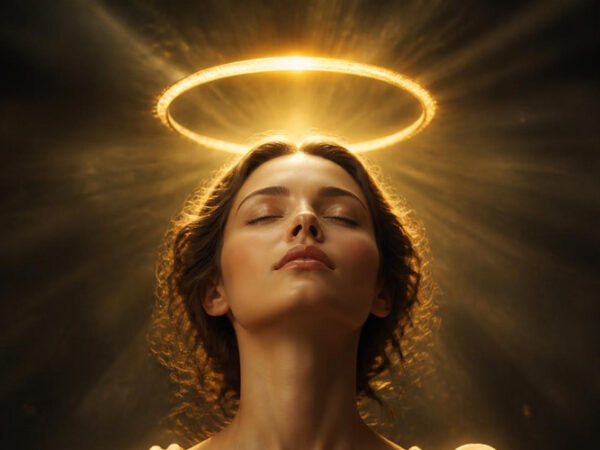
Briefly
Incarnation refers to the embodiment of a deity, spirit, or abstract principle in a physical form, most commonly a human or animal body. Across world religions and mythologies, the concept serves as a bridge between the transcendent and the material, allowing divine qualities to be expressed and understood in tangible terms. Incarnation implies a deliberate, often sacred descent into matter, carrying profound implications for identity, purpose, and the relationship between the mortal and the eternal.
What Does Incarnation Symbolize?
At its core, incarnation symbolizes the union of the divine or spiritual with the physical world. It represents the idea that higher powers or abstract truths can take on a concrete, accessible form to interact with humanity. This concept often conveys themes of sacrifice, as the incarnated being accepts the limitations and suffering of material existence. Incarnation also symbolizes the potential for transformation and redemption, suggesting that the physical realm is not separate from the spiritual but can be a vessel for it.
Positive and Negative Meanings
Positive associations: Incarnation is widely seen as a profound expression of divine love, compassion, and accessibility. It makes the abstract tangible, offering a model for human behavior and a direct channel for spiritual guidance. In many traditions, it affirms the sacredness of the physical world and the body, suggesting that material existence can be a path to enlightenment or salvation.
Negative meanings: Some interpretations view incarnation as a limitation or a form of exile, where a divine being is trapped or diminished by entering a flawed, mortal body. In certain philosophical systems, such as Gnosticism, the material world is seen as a prison, and incarnation represents a fall from pure spirit into corruption. The concept can also raise questions about suffering, as the incarnated being is subject to pain, temptation, and death.
History and Origins of Incarnation Symbolism
The idea of incarnation appears in some of the earliest recorded religious texts and mythologies. In ancient Egypt, the pharaoh was considered the living incarnation of the god Horus, a belief that reinforced royal authority and cosmic order. Hinduism developed the concept of avatara, where deities like Vishnu descend into the world in various forms—such as Rama and Krishna—to restore dharma. In Buddhism, the concept of reincarnation (rebirth) is central, though it differs from incarnation in that it involves a cycle of lives driven by karma rather than a single divine descent. Christianity formalized the doctrine of the Incarnation with Jesus Christ as the Word made flesh, a cornerstone of Christian theology that emphasizes God’s entry into human history.
Incarnation Symbolism in Different Cultures
In Hinduism, the avataras of Vishnu are among the most detailed examples of incarnation symbolism. Each avatara appears in a specific age and context—as a fish, a boar, a dwarf, or a warrior—to address particular cosmic crises. In Tibetan Buddhism, the Dalai Lama is believed to be an incarnation of Avalokiteshvara, the bodhisattva of compassion, a living lineage that continues through recognized reincarnations. In ancient Greek mythology, gods frequently took human or animal form to interact with mortals, though these were often temporary disguises rather than full incarnations. In Japanese Shinto, certain natural objects and places are considered shintai, physical embodiments of kami (spirits), blurring the line between incarnation and sacred presence.
Spiritual Meaning of Incarnation
Spiritually, incarnation is often understood as a voluntary act of descent by a higher being for a specific purpose, such as teaching, saving, or restoring balance. It implies that the spiritual realm is not distant but intimately involved in the material world. For many believers, the incarnation of a deity or enlightened being provides a tangible focus for devotion and a model for ethical living. It also raises the possibility that every human life carries a spark of the divine, a theme explored in mystical traditions across cultures.
Incarnation in Myths and Folklore
In Norse mythology, the god Odin sometimes wandered the earth in disguise, but more direct incarnation appears in the figure of the hero, who may be a god born into human form. In Celtic folklore, the concept of the sacred king or goddess-consort involved a ritual marriage where a human ruler embodied a deity for a time. In many Native American traditions, spirits could be incarnated in animals, and shamans might channel or become vessels for spirit guides. The deer, as noted in various mythologies, serves as the incarnation of deities in some cultures, symbolizing gentleness, grace, and the sacredness of nature.
Incarnation in Dreams
Dreams about incarnation or being an incarnation of a deity or spirit are relatively rare but can be powerful. They often reflect a deep sense of purpose, destiny, or connection to something greater than oneself. Such dreams may occur during periods of spiritual searching or identity transformation. The dreamer might feel they are carrying a divine mission or embodying a particular quality like wisdom or compassion. These experiences are often interpreted as messages from the subconscious about one’s potential or calling.
Common Dream Scenarios
- Dreaming of being a divine incarnation: May indicate a sense of special purpose or a need to embrace one’s unique gifts.
- Dreaming of meeting an incarnated being: Could represent an encounter with a guide, mentor, or aspect of the self that offers wisdom.
- Dreaming of a deity taking human form: Often symbolizes a need for direct, personal spiritual experience or guidance.
- Dreaming of animals as incarnations: May reflect a connection to nature, instinct, or specific animal qualities like strength or intuition.
Incarnation in Superstitions and Omens
In some folk traditions, the birth of a child with unusual marks or abilities is considered a sign of an incarnated spirit or deity. Certain animals, such as white deer or albino creatures, are sometimes viewed as incarnations of gods or ancestors, and encountering them is seen as a powerful omen. In parts of South Asia, the appearance of a sadhu (holy person) believed to be an incarnation of a god is considered auspicious, and their blessings are sought.
Incarnation in Art and Literature
The concept of incarnation has inspired countless works of art and literature. In Christian art, the Nativity scene depicting the birth of Jesus is a central visual representation of the Incarnation. Renaissance painters like Sandro Botticelli and Leonardo da Vinci created iconic works such as the Adoration of the Magi and the Annunciation, which focus on the moment of divine embodiment. In literature, John Milton’s Paradise Lost explores the Incarnation as part of the cosmic drama of salvation. In modern fiction, the theme appears in C.S. Lewis’s The Lion, the Witch and the Wardrobe, where Aslan the lion is a Christ-like incarnation. In Indian literature, the Bhagavata Purana narrates the stories of Vishnu’s avataras in rich detail, influencing dance, drama, and visual arts across South Asia.
Frequently Asked Questions
Q: What is the difference between incarnation and reincarnation?
A: Incarnation generally refers to a single, purposeful embodiment of a deity or spirit in a physical form, often for a specific mission. Reincarnation involves a cycle of successive lives through which a soul evolves, as seen in Hinduism and Buddhism.
Q: Is incarnation only a religious concept?
A: While most commonly associated with religion and mythology, the idea of incarnation also appears in philosophical discussions about the relationship between spirit and matter, and in literature as a metaphor for the embodiment of ideas or values.
Q: Can animals be incarnations?
A: Yes, in many mythologies and folk beliefs, animals are considered incarnations of deities or spirits. For example, in Hindu mythology, Vishnu incarnated as a boar (Varaha) and a half-man half-lion (Narasimha). In some Native American traditions, animals like the deer or bear may embody spiritual beings.
Related Symbols
- Avatar – A deliberate descent of a deity into a physical form, central to Hindu thought.
- Reincarnation – The cycle of rebirth of a soul into a new body, distinct from incarnation.
- Theophany – A visible manifestation of a deity, often temporary rather than a full incarnation.
- Sacred King – A human ruler believed to embody a deity, common in ancient cultures.
- Christ – In Christianity, the unique incarnation of God as Jesus Christ.