
Briefly
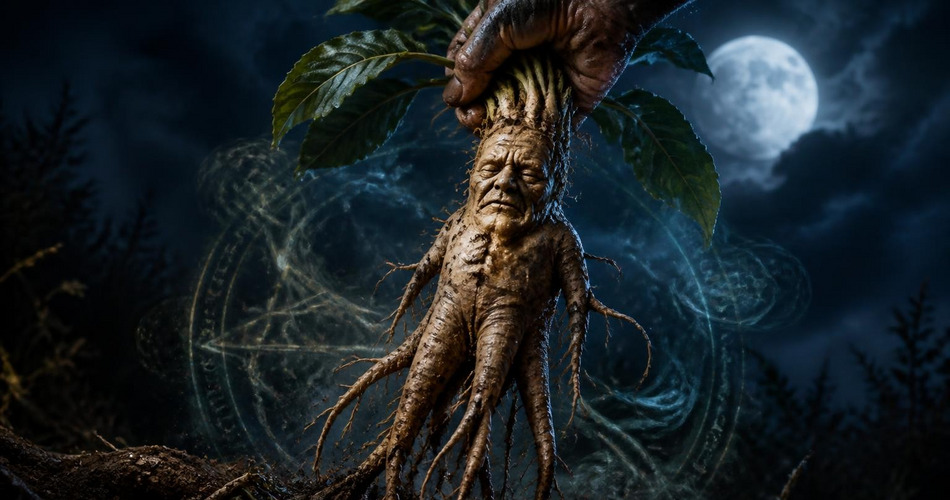
The mandrake root is a powerful and complex symbol, representing the potent intersection of magic, fertility, and mortal danger. Its human-like form has captivated human imagination for millennia, making it a central figure in ancient rituals, medieval witchcraft, and modern fantasy. It embodies the dual nature of the natural world, offering both profound healing and lethal poison, love and madness, protection and peril.
What Does Mandrake Root Symbolize?
Mandrake root primarily symbolizes magic and the occult. Its anthropomorphic shape immediately suggests a connection to the human soul and the supernatural. It is a symbol of fertility and love, historically used in potions and charms to attract romance or enhance conception. Simultaneously, it represents danger and death, famously believed to kill anyone who heard its shriek upon being uprooted. This duality makes it a symbol of transformation and the thin boundary between life and death. In many traditions, it is a powerful protective talisman, warding off evil spirits and bringing prosperity to a home.
Positive and Negative Meanings
Positive associations: The mandrake root is widely celebrated as a powerful charm for love, fertility, and protection. It was believed to enhance passion, cure infertility, and bring wealth and good fortune to its owner. As a protective amulet, it was thought to ward off evil spirits, disease, and negative magic.
Negative meanings: The mandrake’s darker symbolism is equally potent. It is strongly associated with death, madness, and demonic forces. The myth of its deadly scream upon harvest makes it a symbol of fatal danger. Its use in witchcraft and necromancy, along with its psychoactive and poisonous properties, casts it as a forbidden, treacherous object that can lead to ruin or spiritual corruption.
History and Origins of Mandrake Root Symbolism
The symbolism of the mandrake root dates back to ancient times. The Greek philosopher Theophrastus described its use in love magic and its dangerous harvest rituals. In the first century CE, the Greek physician Dioscorides documented its medicinal and magical uses. The “Doctrine of Signatures” strongly influenced its symbolism: because the root resembles the human body, it was believed to be a cure for human ailments, particularly infertility. This principle cemented its role as a symbol of vitality and procreation. Throughout the Middle Ages and Renaissance, its reputation as a witch’s tool and a demonic familiar grew, intertwining its symbolism with the fear and fascination of the occult.
Mandrake Root Symbolism in Different Cultures
In Classical Mediterranean culture, the mandrake was sacred to the goddess Hecate, a deity of witchcraft, crossroads, and the underworld. It was used in necromantic rites and love spells. In Jewish folklore, the mandrake (dudaim) is mentioned in the Book of Genesis as a love charm sought by Rachel. It is deeply tied to themes of longing and fertility. In Germanic and Celtic traditions, the Alraun was a mandrake root fashioned into a small doll and kept as a household spirit that brought wealth and luck. In Chinese culture, while the native Mandragora differs, the concept of a human-shaped root with immense life-giving properties is embodied by ginseng, creating a parallel symbolism of vitality and power.
Spiritual Meaning of Mandrake Root
Spiritually, the mandrake root represents the shadow self and the hidden, potent forces of the unconscious. It is a symbol of the earth’s raw, untamed magic. Working with the mandrake in a spiritual context often signifies a journey into the underworld, confronting one’s deepest fears, and harnessing primal energy for transformation. It is a tool for grounding and protection, creating a powerful barrier against psychic attack. Its psychoactive properties historically allowed shamans and witches to access altered states, making it a symbol of visionary insight and the pursuit of forbidden knowledge.
Mandrake Root in Myths and Folklore
The most famous myth is the mandrake’s deadly shriek. Folklore dictated that when the root was pulled from the ground, it would emit a scream so terrible it could kill or drive a person mad. To safely harvest it, a dog was tied to the plant and called away, forcing the dog to uproot it and suffer the fatal consequences. This myth powerfully symbolizes the danger of forbidden knowledge and the price of obtaining powerful magic. Another widespread belief was that mandrakes grew beneath gallows from the semen or urine of hanged men, reinforcing its connection to death, the underworld, and the generation of life from death. It was also a key ingredient in flying ointments used by witches, symbolizing the soul’s journey beyond the physical realm.
Mandrake Root in Dreams
Dreaming of a mandrake root often carries profound psychological weight. It can symbolize a hidden potential or a dangerous secret that is struggling to surface. The act of uprooting the mandrake in a dream might represent a confrontation with a painful truth or a major life change that carries significant risk. The mandrake can also appear as a symbol of fertility, either literal or creative, representing a new project or phase of life that is both exciting and frightening. Its presence in a dream often points to the dreamer’s relationship with their own shadow side and the untapped magical or intuitive powers within.
Common Dream Scenarios
- Uprooting a mandrake: Symbolizes uncovering a dangerous truth or initiating a risky but necessary change.
- Hearing the mandrake’s shriek: Represents a fear of consequences, a warning of danger, or the emotional fallout of a major revelation.
- Possessing or keeping a mandrake: Indicates a desire for magical solutions, protection, or a sense of control over supernatural forces in one’s life.
- A mandrake growing in a garden: Suggests latent potential, wild nature, or a hidden aspect of the self that is ready to be cultivated or confronted.
- Receiving a mandrake as a gift: Can signify a blessing of fertility, luck, or a dangerous burden being passed to the dreamer.
Mandrake Root in Superstitions and Omens
The mandrake is steeped in superstition. It was considered a powerful amulet for gamblers, believed to guarantee luck and success. Keeping a mandrake root in the home was thought to ensure prosperity and protect against thieves and fire. However, it was also a dangerous omen; if the root was mistreated or its spirit angered, it could bring terrible misfortune. The superstition that it could only be harvested under a gallows tree or on a specific night (like a Friday or under a new moon) added to its ominous reputation. It was often seen as an omen of witchcraft, and finding one could lead to accusations of sorcery.
Mandrake Root in Art and Literature
The mandrake root has a rich history in art and literature. In William Shakespeare’s plays, it is referenced as a poison and a magical agent. In Romeo and Juliet, Juliet is compared to a mandrake, and the shriek is mentioned. In 2 Henry VI, it is listed among the ingredients of a witch’s brew. In John Donne’s poem “Song” (also known as “Go and catch a falling star”), the mandrake is used as a symbol of an impossible, magical task. In modern literature, J.K. Rowling’s Harry Potter series features the Mandrake Restorative Draught, and the baby mandrakes are depicted as screaming, sentient plants, directly drawing on the classic folklore. In film, Guillermo del Toro’s Pan’s Labyrinth features a mandrake root as a faerie-like creature used for healing, visually capturing its humanoid form and magical essence.
Mandrake Root Tattoo Meaning
A mandrake root tattoo is a bold statement of one’s connection to the occult, nature, and duality. It often represents a fascination with witchcraft, folklore, and the darker aspects of spirituality. For many, it is a symbol of protection, a personal talisman against negative energies. It can also signify fertility, transformation, and the acceptance of both the light and shadow within oneself. The detailed, human-like root makes for a visually striking image that speaks to the wearer’s appreciation for the mysterious and the powerful forces of the natural world.
Meanings of Different Types of Mandrake Root
In folklore, distinctions were often made between “male” and “female” mandrakes. The male mandrake (Mandragora officinarum) typically has a longer, darker, and more phallic root, symbolizing masculine energy, protection, and wealth. The female mandrake (Mandragora autumnalis or Mandragora microcarpa) has a shorter, whiter, and more rounded root, symbolizing feminine energy, love, and fertility. The color of the root could also influence its meaning; a darker root was considered more potent for protection, while a lighter root was preferred for love charms.
Frequently Asked Questions
Q: What does the mandrake root symbolize?
A: The mandrake root is a powerful symbol of magic, fertility, love, protection, and danger. Its humanoid shape has made it a central figure in myths about witchcraft, death, and transformation.
Q: Why is the mandrake root shaped like a person?
A: The root of the mandrake plant naturally grows in a forked shape that often resembles the human body. This anthropomorphic form is the primary reason for its powerful symbolism and its use in the Doctrine of Signatures, which held that a plant’s appearance indicated its use.
Q: Is the mandrake root dangerous?
A: Yes, the mandrake plant contains tropane alkaloids that are toxic and can cause hallucinations, vomiting, and even death if ingested in sufficient quantities. This real danger heavily influenced its negative symbolism and the myths surrounding its harvest.
Q: What is the mandrake root used for in magic?
A: Historically, it was used in love potions, fertility charms, protective amulets, and flying ointments. It was believed to attract wealth, enhance psychic abilities, and ward off evil spirits.
Q: Why does the mandrake root scream?
A: According to folklore, the mandrake root screams when it is pulled from the ground. This deadly shriek was a myth that served to explain the dangers of harvesting the plant and to symbolize the perilous nature of obtaining powerful magic or forbidden knowledge.
Related Symbols
- Ginseng: Another human-shaped root, symbolizing vitality and healing in East Asian traditions.
- Alraun: The Germanic household spirit made from a mandrake root, representing luck and protection.
- Homunculus: An artificial human, sharing the mandrake’s symbolism of life created from base materials.
- Witch’s Familiar: A spirit or animal that assists a witch, echoing the mandrake’s role as a magical companion.
- Love Potion: The mandrake’s most famous magical application, symbolizing the desire to control love and attraction.
- Hecate’s Wheel: The symbol of the goddess Hecate, to whom the mandrake was sacred.


