Briefly
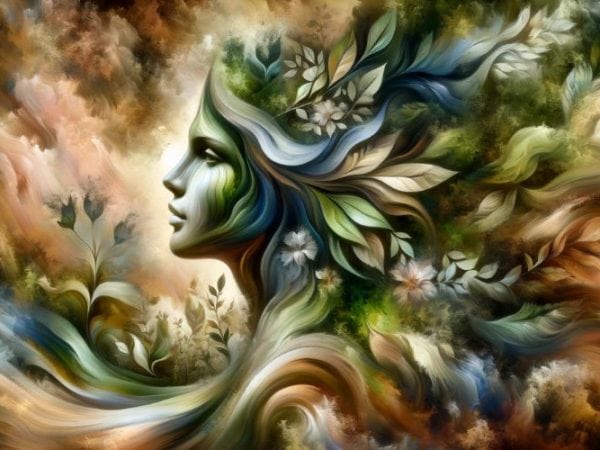
The concept of the Muse originates in Greek mythology, where the nine Muses were the goddesses of the arts, literature, and sciences. Daughters of Zeus and Mnemosyne (Memory), they served as the divine source of inspiration for poets, musicians, and thinkers. Today, a “muse” symbolizes the ultimate creative catalyst, representing the mysterious force that sparks artistic genius, intellectual discovery, and profound expression. Whether a person, a place, or an abstract idea, a muse embodies the bridge between the mundane world and the realm of transcendent creativity.
What Does Muse Symbolize?
The Muse primarily symbolizes inspiration and the creative impulse. It represents the external force that awakens an artist’s inner vision, providing the raw material, emotional depth, or conceptual spark needed to create a work of art. Beyond inspiration, the Muse symbolizes knowledge and memory, as the ancient Muses were patrons of history, astronomy, and the other liberal arts. They also embody beauty, harmony, and the pursuit of truth and excellence in all creative and intellectual endeavors.
Positive and Negative Meanings of the Muse
Positive associations: The Muse is overwhelmingly a positive symbol, representing the highest aspirations of human creativity and intellect. It signifies the joy of discovery, the thrill of artistic creation, and the connection to a deeper, almost divine source of wisdom. Having a muse can provide focus, motivation, and a sense of purpose, channeling energy into productive artistic or intellectual work.
Negative meanings: The concept of the muse can also carry negative connotations. It can imply a dependence on an external source for inspiration, leading to creative blocks if the muse is absent or withdrawn. Historically, the muse has sometimes been a figure of unrequited love or obsession, where the artist’s fixation becomes a source of personal turmoil or objectification. The “tortured artist” archetype often involves a fraught relationship with their muse.
History and Origins of the Muse Symbolism
The origins of the Muse symbolism are firmly rooted in ancient Greek religion and mythology. The earliest accounts appear in the works of Homer and Hesiod. In the Theogony, Hesiod names the nine Muses: Calliope (epic poetry), Clio (history), Erato (love poetry), Euterpe (music), Melpomene (tragedy), Polyhymnia (sacred poetry), Terpsichore (dance), Thalia (comedy), and Urania (astronomy). They were worshipped at sacred springs like the Hippocrene on Mount Helicon, where drinking their water was said to bestow poetic inspiration. This connection between a sacred place, a divine being, and the act of creation established the foundational metaphor of the muse as a source of inspiration.
Muse Symbolism in Different Cultures
While the specific term “Muse” is Greek, the concept of a divine or semi-divine source of inspiration is a cross-cultural phenomenon. In Hinduism, the goddess Saraswati presides over knowledge, music, and the arts, serving a very similar function to the Greek Muses. In Norse mythology, the mead of poetry, Óðrœrir, was a magical beverage that granted the gift of poetry and wisdom to anyone who drank it. In many shamanic traditions, spirits or animal guides are invoked to aid in storytelling, song, and healing rituals. The Greek model, however, has had the most direct and lasting influence on Western art and literature, formalizing the idea of a specific, named entity whose favor an artist must seek.
Spiritual Meaning of the Muse
Spiritually, the muse represents the connection between the conscious mind and a higher, more intuitive realm of consciousness. The act of invoking a muse is a form of prayer or meditation, an acknowledgment that the deepest creative insights come from beyond the individual ego. The muse symbolizes the divine feminine principle of creation, the receptive space from which new ideas are born. In this sense, the spiritual meaning of the muse is about surrender, trust, and opening oneself to the flow of universal creativity.
The Muse in Myths and Folklore
The primary myths surrounding the Muses involve their role as companions to Apollo, the god of music and arts, and their function as judges in musical contests. One famous myth involves the Pierides, the daughters of King Pierus, who challenged the Muses to a singing contest. The Muses won and, as punishment, turned the Pierides into magpies. Another story tells of the poet Thamyris, who boasted he could defeat the Muses in a contest of skill. They struck him blind and took away his memory and ability to sing. These myths reinforce the idea that the Muses are not to be trifled with; their gift of inspiration comes with a demand for humility and respect.
The Muse in Dreams
Dreaming of a muse often symbolizes a deep-seated need for creative expression or a desire for guidance in an artistic or intellectual project. The muse in a dream can appear as a wise figure, a beautiful stranger, or a familiar person who offers a new idea or perspective. It represents the dreamer’s own latent potential and the subconscious mind’s ability to generate novel solutions and artistic visions.
Common Dream Scenarios (The Muse)
- Meeting a specific person as a muse: This often represents the dreamer’s admiration for a particular quality in that person, such as their confidence, talent, or beauty, which the dreamer wishes to cultivate in themselves.
- Being visited by a classical Muse: This can symbolize a direct connection to ancient wisdom, history, or the foundational arts, suggesting the dreamer is tapping into a rich cultural or ancestral legacy.
- Losing a muse: This scenario frequently represents a creative block, a loss of confidence, or a period of transition where the old sources of inspiration no longer serve the dreamer.
- Becoming a muse for someone else: This might symbolize the dreamer’s role as a source of support, inspiration, or motivation for others in their waking life.
The Muse in Superstitions and Omens
The concept of the muse is closely tied to the superstition of the “creative block.” An artist who is struggling is said to have “lost their muse.” Conversely, a sudden burst of inspiration is often attributed to the “blessing of the muse.” In some circles, it is considered bad luck to speak too openly about a work in progress, for fear of offending the muse or causing the inspiration to vanish. The act of “invoking the muse” at the beginning of a creative work, a tradition dating back to Homer’s Iliad and Odyssey, is itself a superstitious ritual seeking divine favor.
The Muse in Art and Literature
The invocation of the Muse is a foundational trope in Western literature. Homer begins both the Iliad and the Odyssey by calling upon the Muse to sing through him (“Sing, goddess, the wrath of Achilles…”). Virgil opens the Aeneid with a similar plea. In Renaissance art, muses were frequently depicted in paintings and sculptures. Raphael’s fresco The Parnassus in the Vatican features Apollo surrounded by the nine Muses and the greatest poets of antiquity. In modern literature, the concept of a personal muse is exemplified by Dante’s Beatrice, who guides him through Paradise in The Divine Comedy, and by the poet Rainer Maria Rilke, whose Duino Elegies were famously inspired by a burst of creative energy often described as a visit from his muse. In cinema, films like Amadeus explore the dynamic of a divinely inspired genius serving as a muse to a rival, while La La Land examines the role of a romantic partner as a catalyst for artistic ambition.
Muse Tattoo Meaning
A tattoo of a muse, whether a classical Greek figure, a specific person, or a symbolic representation (like a lyre or a scroll), typically signifies a deep commitment to one’s creative path. It serves as a permanent invocation of inspiration, a reminder of the source of one’s artistic drive. It can also be a tribute to a person who has been a significant creative influence in the wearer’s life. The nine Muses are sometimes tattooed individually, with each representing a specific art form or discipline the wearer feels connected to.
Meanings of Different Types of Muses
While the original nine Muses each had a specific domain, the modern concept of a muse is more fluid. A “muse” can take many forms:
- A Person: A romantic partner, a friend, a mentor, or even a historical figure who embodies the qualities the artist wishes to explore.
- A Place: A specific location that evokes a particular feeling or creative energy, such as a bustling city, a quiet forest, or a seaside cottage.
- An Idea or Object: A philosophical concept, a piece of music, a work of art, or a natural phenomenon that serves as a starting point for creation.
- An Individual Muse from the Nine: Calliope (epic poetry), Clio (history), Erato (love poetry), Euterpe (music), Melpomene (tragedy), Polyhymnia (sacred poetry), Terpsichore (dance), Thalia (comedy), Urania (astronomy). Each carries the specific symbolism of her domain.
Frequently Asked Questions about the Muse
Q: What is the difference between a muse and a source of inspiration?
A: While often used interchangeably, a muse is traditionally a personified source of inspiration, often with a personal or emotional connection to the artist. A source of inspiration can be anything from a sunset to a scientific theory. The muse implies a more intimate, almost relational dynamic.
Q: Why are there nine Muses?
A: The number nine is believed to have been established by Hesiod in his Theogony (c. 700 BC). The number represents a complete set of the arts and sciences known to the ancient Greeks, providing a divine patron for each major field of intellectual and creative endeavor.
Q: Can a man be a muse?
A: Yes, absolutely. While the Muses themselves were female goddesses, the modern concept of a muse is gender-neutral. Anyone who inspires great creative work can be considered a muse.
Related Symbols of the Muse
- Apollo: The god of music, poetry, and the arts, who led the Muses.
- Pegasus: The winged horse whose hoof strike created the Hippocrene spring, the sacred fountain of the Muses.
- Mnemosyne: The Titaness of Memory, mother of the nine Muses.
- Saraswati: The Hindu goddess of knowledge, music, and the arts, a parallel figure to the Muses.
- Creativity: The broader concept that the muse embodies and activates.