Briefly
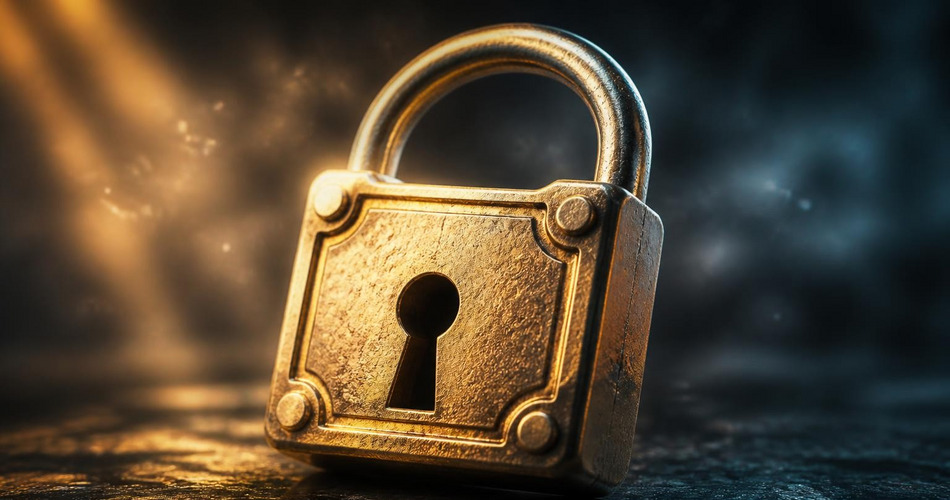
A padlock is a portable locking device with a shackle that can be secured through a loop or hasp. It symbolizes security, protection, and the safeguarding of valuables, secrets, or relationships. Padlocks also represent commitment and fidelity, as seen in the tradition of love locks, while conversely they can signify restriction, confinement, or a lack of trust when used to deny access.
What Does Padlock Symbolize?
Padlocks are primarily symbols of security and protection. They represent the act of locking away something precious—whether physical objects, personal secrets, or emotional bonds. In relationships, a padlock can symbolize a promise of fidelity or an unbreakable union, as in the custom of attaching padlocks to bridges as a declaration of everlasting love. At the same time, padlocks can signify control, secrecy, and the power to grant or deny access. Their dual nature makes them potent symbols of both safety and imprisonment.
Positive and Negative Meanings
Positive associations: Padlocks are widely seen as emblems of protection, safety, and trust. They convey the idea of securing what is valuable—material possessions, personal privacy, or intimate relationships. In love lock ceremonies, they represent eternal commitment and the hope that a bond will remain unbroken. Padlocks also symbolize self-discipline and the ability to safeguard one’s inner thoughts.
Negative meanings: On the darker side, padlocks can represent restriction, oppression, and exclusion. They may symbolize being trapped in a situation or relationship, or the withholding of freedom. A locked padlock can evoke feelings of secrecy, mistrust, or hidden barriers. In some contexts, they are associated with imprisonment or the denial of access to knowledge or opportunity.
History and Origins of Padlock Symbolism
The earliest known padlocks date back to ancient Rome and China, where they were used to secure chests, gates, and valuables. The Roman padlock, made of iron, was often shaped like a miniature lock with a sliding bolt. In China, padlocks were crafted from bronze and sometimes designed with intricate patterns, reflecting their importance as both functional tools and status symbols. Over time, padlocks became associated with the idea of trust—the person holding the key was granted authority over the locked item. This dynamic gave rise to symbolic meanings of power, secrecy, and fidelity. The tradition of love locks, which began in Europe in the early 20th century, further cemented the padlock as a symbol of romantic commitment.
Padlock Symbolism in Different Cultures
In many Western cultures, padlocks are linked to love and commitment through the practice of attaching engraved padlocks to bridges or fences, then throwing away the key. This ritual symbolizes an unbreakable bond. In Chinese culture, padlocks are sometimes used in protective talismans, such as the “hundred families lock” (百家锁), which is believed to safeguard a child’s health and longevity. In some African traditions, padlocks are incorporated into rituals to seal agreements or to ward off evil spirits. Across cultures, the padlock consistently represents a boundary—whether protective or restrictive—and the power to control access.
Spiritual Meaning of Padlock
Spiritually, a padlock can represent the locking away of negative energy or the protection of one’s inner sanctuary. It is often used in meditation or visualization practices as a symbol of boundaries—guarding the soul from harmful influences. In some belief systems, a padlock is seen as a tool for sealing intentions or promises, making them sacred and unbreakable. Conversely, a locked padlock may symbolize spiritual blockage or the need to unlock hidden potential. The key, as its counterpart, is often viewed as the means to access higher knowledge or liberation.
Padlock in Myths and Folklore
Padlocks appear in folklore as objects of protection and secrecy. In European fairy tales, locked chests or boxes often contain magical items or forbidden knowledge, and the padlock represents the barrier that must be overcome. In some Slavic traditions, padlocks were used in wedding rituals to “lock” the couple’s union, with the key kept by the bride or groom. The motif of the unbreakable lock appears in legends about treasure or hidden realms, where only a worthy individual can find the key. While not a central figure in mythology, the padlock frequently serves as a metaphor for challenges that require a specific solution or key.
Padlock in Dreams
Dreams featuring padlocks often relate to themes of security, restriction, or hidden aspects of the self. A padlock in a dream may indicate that the dreamer feels locked out of a situation, or conversely, that they are protecting something important. The condition of the padlock—whether it is open, closed, broken, or rusted—can provide additional insight into the dreamer’s emotional state. Common interpretations include feelings of being trapped, a need for privacy, or a desire to keep secrets safe.
Common Dream Scenarios
- Finding a locked padlock: Suggests that you are facing an obstacle or that something is being kept from you. It may indicate a need to find the right key—a solution or insight—to move forward.
- Opening a padlock with a key: Symbolizes gaining access to hidden knowledge, resolving a problem, or unlocking a new phase in life. It often represents success and liberation.
- Breaking a padlock: Reflects a desire to break free from restrictions or to overcome a barrier through force or determination. It can also indicate frustration with limitations.
- A rusted or broken padlock: Suggests that old protections have failed or that a secret has been exposed. It may point to feelings of vulnerability or the end of a period of security.
- Receiving a padlock as a gift: Often interpreted as a symbol of commitment or a promise. It may represent a new relationship or a deepening of trust.
Padlock in Superstitions and Omens
Padlocks feature in several superstitions around the world. The most widespread is the love lock tradition, where couples attach a padlock to a bridge and throw away the key, believing this will ensure their love lasts forever. In some cultures, placing a padlock on a child’s clothing or crib is thought to protect them from harm or evil spirits. Finding a padlock unexpectedly may be considered an omen of a secret being revealed or a barrier being placed in one’s path. Conversely, losing a key to a padlock is sometimes seen as a sign of lost trust or a broken promise. These beliefs reinforce the padlock’s role as a symbol of binding—both positive and negative.
Padlock Tattoo Meaning
Padlock tattoos are popular as symbols of security, love, and personal strength. A padlock tattoo can represent a promise to oneself or another, such as fidelity or sobriety. It may also signify overcoming a period of confinement or protecting one’s inner self. Often paired with a key, the padlock tattoo can indicate that the wearer holds the key to their own heart or that they are searching for the right person to unlock it. The design can vary from simple and elegant to ornate, with colors and additional elements adding layers of meaning. For example, a heart-shaped padlock emphasizes love, while a broken padlock may symbolize liberation from past restrictions.
Meanings of Different Types of Padlocks
- Combination padlock: Symbolizes self-reliance and the ability to unlock one’s own potential without external help. It represents knowledge and the power of choice.
- Keyed padlock: Emphasizes trust and the importance of the key holder. It can signify a relationship where one person holds the key to another’s heart or secrets.
- Heart-shaped padlock: Directly associated with love and romance. Often used in love lock ceremonies or as a tattoo to represent a romantic bond.
- Rusted or old padlock: Represents forgotten secrets, past restrictions, or the passage of time. It may symbolize something that was once protected but is now abandoned.
- Open padlock: Suggests transparency, freedom, or a secret that has been revealed. It can also indicate vulnerability or a willingness to be open.
Frequently Asked Questions
Q: What does a padlock symbolize in a relationship?
A: In relationships, a padlock often symbolizes commitment, fidelity, and an unbreakable bond. The love lock tradition is a common expression of this symbolism.
Q: Is a padlock a good luck symbol?
A: Padlocks can be considered good luck when used in protective rituals or love ceremonies. However, they can also represent restriction, so their meaning depends on context.
Q: What does it mean to dream about a padlock?
A: Dreaming of a padlock typically relates to feelings of being locked out, protecting something, or needing to find a solution to a problem. The specifics depend on the dream scenario.
Q: What is the spiritual meaning of a padlock?
A: Spiritually, a padlock represents boundaries, protection of the soul, and the sealing of intentions. It can also symbolize a blockage that needs to be unlocked.
Related Symbols
- Key – the counterpart to a padlock, representing access, solution, and liberation.
- Chain – often used with padlocks, symbolizing connection, restraint, or unity.
- Lock – a broader symbol of security, secrecy, and confinement.
- Safe – represents the ultimate protection of valuables and secrets.
- Shackle – similar to a padlock but more directly associated with imprisonment and bondage.