Briefly
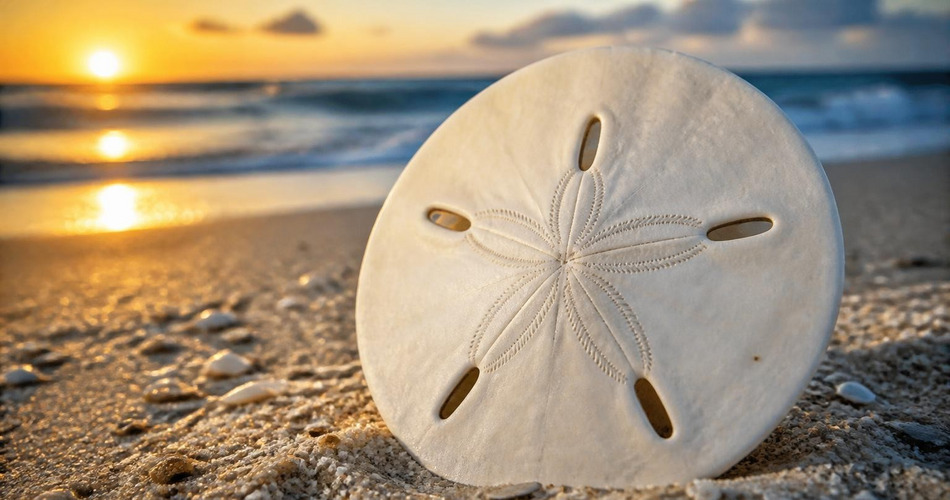
The sand dollar is a marine echinoderm whose dried skeleton is commonly found on beaches and carries deep symbolic meaning. It represents transformation, as the living creature sheds its spines to become a smooth, coin-like disc. Its name and shape link it to wealth and prosperity, while Christian folklore associates its fivefold pattern with the birth, death, and resurrection of Jesus. Sand dollars also symbolize the cycle of life and death, the mystery of the ocean, and the idea of hidden inner beauty.
What Does Sand Dollar Symbolize?
The sand dollar is most often seen as a symbol of transformation. The living animal is covered in spines and moves along the seafloor, but after death its skeleton is weathered into a smooth, flat disc with a distinctive star pattern. This process mirrors personal growth and the shedding of old layers to reveal a truer self.
Because of its name and round shape, the sand dollar also symbolizes prosperity and abundance. It is often kept as a token of good fortune or used in money-drawing rituals. The five-petaled star on its surface is sometimes seen as a flower, linking it to nature, fertility, and the cycles of the seasons.
In spiritual contexts, the sand dollar represents rebirth and the soul’s journey. Its five openings are interpreted as the five wounds of Christ in Christian tradition, making it a symbol of sacrifice and resurrection. More broadly, it reminds us of the hidden treasures that lie beneath the surface of everyday life.
Positive and Negative Meanings of Sand Dollars
Positive associations: Sand dollars are widely regarded as lucky charms, especially when found whole on the beach. They bring thoughts of summer, the ocean, and carefree days. Their star pattern is seen as a sign of guidance and hope, and their durability after death suggests endurance and resilience. Many people keep sand dollars as reminders of personal transformation or as symbols of faith.
Negative meanings: Because a sand dollar is a skeleton, it can also evoke thoughts of death and impermanence. Some view it as a memento mori, a reminder that all living things eventually fade. In rare cases, finding a broken sand dollar is considered an omen of disappointment or lost opportunity. However, these darker interpretations are far less common than the positive ones.
History and Origins of Sand Dollar Symbolism
The name “sand dollar” comes from the animal’s resemblance to the large silver dollar coins of the 19th century. Early European settlers in North America noticed the similarity and began calling them sand dollars. The nickname stuck, and the association with money and prosperity has been part of their symbolism ever since.
The most famous symbolic tradition surrounding sand dollars is the Christian legend that emerged among early American communities. According to this story, the sand dollar’s five slots represent the four nail holes and the spear wound that Christ received during the crucifixion. The star on one side symbolizes the Star of Bethlehem, and the Easter lily design on the other side represents the resurrection. On the reverse, a broken star pattern is said to resemble the poinsettia, the Christmas flower. This legend turned the sand dollar into a teaching tool and a cherished symbol of faith.
In pre-Columbian times, some Native American tribes used sand dollars as trade items or decorative beads. Their symmetrical shape and natural beauty made them valuable for adornment and ceremonial purposes.
Sand Dollar Symbolism in Different Cultures
In Western culture, sand dollars are primarily linked to Christianity and beachside leisure. They appear in religious art, jewelry, and home decor as reminders of Easter and the story of Jesus. Many families collect sand dollars during vacations and display them as mementos of happy times by the sea.
In some Caribbean and Pacific Island traditions, sand dollars are associated with mermaids and sea spirits. They are sometimes called “mermaid coins” or “fairy money” and are thought to bring protection to sailors and fishermen. In modern New Age spirituality, sand dollars are used in meditation and energy work to connect with the element of water and the rhythms of the moon.
In East Asian cultures, sand dollars are less commonly featured in traditional symbolism, but they are appreciated as exotic natural objects and are sometimes incorporated into feng shui practices to attract wealth and calm energy.
Spiritual Meaning of Sand Dollars
Spiritually, the sand dollar is a symbol of inner transformation. Its journey from a spiny, living creature to a smooth, polished disc mirrors the soul’s path toward enlightenment. The five-pointed star at its center is seen as a representation of the five elements or the five senses, reminding us to seek balance and harmony.
Many people use sand dollars as altar pieces or meditation focal points. Holding a sand dollar is thought to ground the spirit and connect it to the vastness of the ocean. The holes in the sand dollar are sometimes used for threading cords or wires, turning the object into a wearable talisman for protection and guidance.
In Christian mysticism, the sand dollar’s markings are read as a coded message of faith. The five holes, the star, and the lily pattern are all seen as divine symbols that tell the story of Jesus without words. This makes the sand dollar a popular item for prayer and reflection.
Sand Dollar in Myths and Folklore
The most widespread myth about the sand dollar is the Christian legend described above. It is often retold in poems, children’s books, and church pamphlets. One well-known poem, “The Legend of the Sand Dollar,” by an unknown author, explains the religious symbolism in verse and is frequently printed on souvenir cards sold at beach shops.
In European folklore, sand dollars were sometimes thought to be the coins lost by mermaids or the currency of fairies. Finding one was a sign that you had been blessed by supernatural beings. Some coastal communities believed that carrying a sand dollar would protect against storms and shipwrecks.
In Native American lore, the sand dollar was seen as a gift from the sea spirit, a token of abundance and gratitude. It was often buried in gardens to ensure a good harvest or placed in cradles to bring peaceful dreams to infants.
Sand Dollar in Superstitions and Omens
Superstitions about sand dollars vary by region, but several themes recur:
- Finding a whole sand dollar on the beach is considered extremely lucky, especially if it is pure white and unbroken.
- Breaking a sand dollar, even accidentally, is thought to bring bad luck or to symbolize a broken promise.
- Keeping a sand dollar in your wallet or purse is said to attract money and prevent financial loss.
- Gifting a sand dollar to a friend is a wish for their prosperity and spiritual growth.
- In some traditions, placing a sand dollar under your pillow brings prophetic dreams about the ocean or future travels.
These beliefs are not universal, but they add to the sand dollar’s mystique and make it a popular item for souvenirs and gifts.
Sand Dollar Tattoo Meaning
Sand dollar tattoos are chosen by people who feel a deep connection to the ocean or who have undergone significant personal change. The design often incorporates the five-petaled star, which can represent balance, the five senses, or the five wounds of Christ. Many tattoos also include waves, shells, or anchors to reinforce the nautical theme.
For Christians, a sand dollar tattoo can be a subtle expression of faith, especially when placed on the wrist, ankle, or behind the ear. For others, it is a reminder of a transformative beach vacation or a tribute to a loved one who loved the sea. The sand dollar’s smooth, circular shape also makes it a popular choice for minimalist and geometric tattoo styles.
Color choices in sand dollar tattoos can add layers of meaning: white or gray for purity and simplicity, blue for the ocean and tranquility, or gold for wealth and success.
Meanings of Different Types, Colors, or Variations of Sand Dollars
While all sand dollars share core symbolism, slight variations in appearance can influence their interpretation:
- White sand dollars are the most common and symbolize purity, clarity, and new beginnings.
- Gray or brown sand dollars are often older or have been stained by the environment; they represent endurance, history, and the passage of time.
- Dyed sand dollars (e.g., painted blue, pink, or gold) are popular in crafts and are associated with the color’s specific symbolism—blue for calm, pink for love, gold for prosperity.
- Fossilized sand dollars are extremely old and carry the energy of ancient seas, making them symbols of deep time and eternal cycles.
The size of a sand dollar can also matter: larger ones are sometimes seen as more powerful talismans, while tiny ones are considered delicate and precious.
Frequently Asked Questions about Sand Dollars
Q: Are sand dollars alive when you find them on the beach?
A: Sand dollars are the skeletons of dead sea urchins. If you find a gray or purple one with spines, it may still be alive and should be returned to the water. White, smooth sand dollars are the empty tests (skeletons) of deceased animals.
Q: What does a sand dollar symbolize in Christianity?
A: In Christian tradition, the sand dollar’s five holes represent the wounds of Christ, the star symbolizes the Star of Bethlehem, and the lily pattern on the reverse stands for the resurrection. It is often used as a teaching tool for the Easter story.
Q: Is it bad luck to break a sand dollar?
A: Many superstitions say that breaking a sand dollar brings bad luck or signifies a broken promise. However, this is not a universal belief, and many people simply see it as a natural accident.
Q: Can sand dollars be used in money spells?
A: Yes, because of their name and coin-like shape, sand dollars are often used in folk magic to attract wealth and abundance. They are placed in wallets, cash registers, or money bowls.
Symbols Related to Sand Dollars
- Starfish – shares the five-pointed star shape and is also a symbol of guidance and renewal.
- Sea urchin – the living relative of the sand dollar, representing protection and the hidden beauty of the ocean.
- Shell – general symbol of the sea, travel, and the soul’s journey.
- Coin – reinforces the sand dollar’s association with money and luck.
- Moon – linked to the tides and the cycles of life, which sand dollars also embody.