Briefly
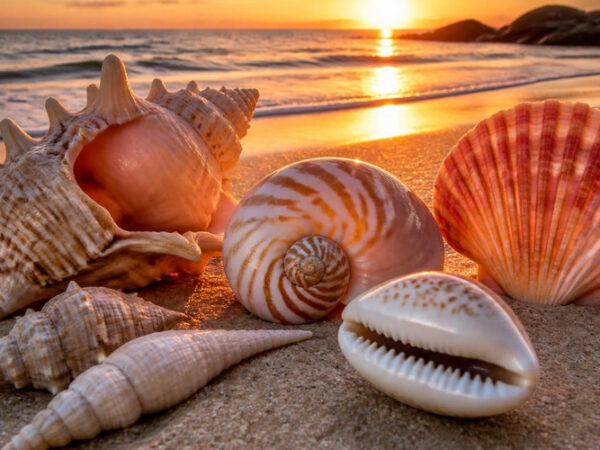
Sea shells are the hard, protective outer layers of marine mollusks, long prized by humans for their beauty and symbolic resonance. Across cultures, they represent the ocean’s mystery, the principle of protection, and the cycle of life and death. Their spiral forms often symbolize growth, evolution, and the journey of the soul, while their association with Aphrodite links them to love, fertility, and the divine feminine.
What Does Sea Shell Symbolize?
The sea shell is a powerful symbol of protection and shelter, as it serves as the mobile home for its inhabitant. Its hard exterior guards the soft, vulnerable life within, making it a universal emblem of safety and defense. At the same time, the shell’s origin from the deep ocean connects it to the subconscious, mystery, and the wellspring of life.
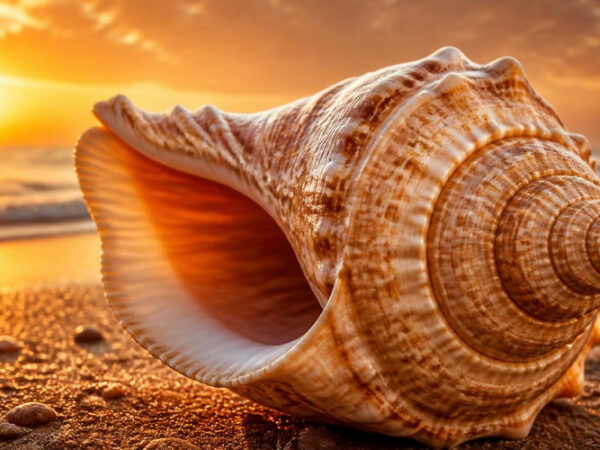
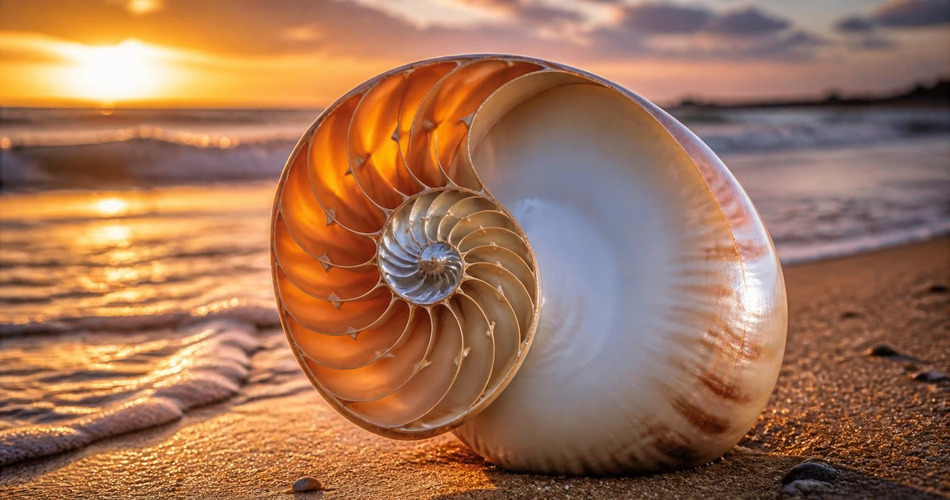
Many shells, particularly the nautilus and the conch, exhibit a logarithmic spiral. This shape is a profound symbol of expansion, evolution, and the continuous cycle of growth. The spiral represents the journey inward toward the self and outward to the universe, embodying the concept of eternal progression.
Positive and Negative Meanings
Positive associations: Sea shells are overwhelmingly seen as positive symbols. They represent beauty, the treasures of the sea, and the intricate artistry of nature. They are tokens of travel, discovery, and the bounty of the ocean, often associated with prosperity, good luck, and safe passage. In many traditions, the shell is a symbol of birth and rebirth, as it houses new life and is often found washed ashore, a gift from the depths.
Negative meanings: While rare, the shell can carry negative connotations. An empty shell can symbolize emptiness, a lack of substance, or a life that has departed. It can represent a hardened heart, a protective barrier that prevents emotional connection or vulnerability. In some contexts, the shell’s beauty is a deceptive exterior that hides a less pleasant reality, echoing themes of superficiality.
History and Origins of Sea Shell Symbolism
The use of sea shells as symbols dates back to prehistoric times. Cowrie shells, for example, have been used as currency, amulets, and fertility charms across Africa, Asia, and the Pacific for millennia. Their shape, resembling the female vulva, made them powerful symbols of fertility, birth, and the goddess. The ancient Greeks and Romans associated the scallop shell with Aphrodite (Venus), who was born from the sea foam and often depicted riding a scallop shell. This connection imbued the shell with meanings of love, beauty, and the divine feminine.
In the Christian tradition, the scallop shell became the emblem of Saint James and a symbol of pilgrimage along the Camino de Santiago. The shell served a practical purpose for pilgrims (as a cup and bowl), but spiritually it represented the pilgrim’s journey, the search for truth, and the promise of salvation. The grooves of the shell converging at a single point symbolize the many paths of life leading to God.
Sea Shell Symbolism in Different Cultures
In Hinduism, the conch shell (shankha) is a sacred emblem of the god Vishnu. It is blown as a trumpet during religious ceremonies to dispel evil spirits and announce the beginning of auspicious events. The sound of the conch is said to be the primordial sound of creation, Om. In Buddhism, the conch shell is one of the Eight Auspicious Symbols, representing the far-reaching and melodious sound of the Buddha’s teachings, which awaken beings from ignorance.
In many indigenous coastal cultures, from the Pacific Northwest to the islands of Oceania, shells are integral to art, currency, and status. Wampum belts made from quahog shells were used by Algonquian peoples as ceremonial records and currency. In Polynesian cultures, shells are used in jewelry and adornment, signifying rank, wealth, and connection to the ocean deity. The shell is a bridge between the human world and the vast, mysterious sea.
Spiritual Meaning of Sea Shells
Spiritually, the sea shell is a vessel of the soul. Its spiral structure is a map of the spiritual journey, moving inward to the center of the self and outward to the divine. The shell is often used in meditation and sound healing (as in the conch) to promote a sense of peace and aid in focusing the mind. It represents the element of water, which is associated with emotions, intuition, and the subconscious.
Carrying or wearing a sea shell is believed to offer protection from negative influences. It is a grounding tool that connects the wearer to the rhythms of the ocean and the natural world. The shell’s ability to hold the sound of the sea is a metaphor for its role as a keeper of ancient wisdom and the voice of the divine.
Sea Shells in Myths and Folklore
The most prominent myth is the birth of Aphrodite (Venus), the Greek goddess of love and beauty. According to Hesiod’s Theogony, she was born from the sea foam and carried to shore on a scallop shell. This image, famously depicted in Botticelli’s “The Birth of Venus,” inextricably links the scallop shell to feminine beauty, love, and procreation.
In Japanese folklore, the Awabi (abalone shell) is associated with the goddess Benzaiten, the deity of everything that flows: music, water, words, and fortune. The shell is a symbol of good luck and is often used in Shinto rituals. In Caribbean folklore, the conch shell is blown to call meetings, signal warnings, or summon spirits, acting as a powerful tool of communication between the physical and spiritual worlds.
Sea Shells in Dreams
Dreaming of sea shells often relates to the dreamer’s emotional state and connection to their inner world. Because shells come from the ocean, they represent the subconscious and the hidden depths of the psyche. Finding a beautiful shell on a beach can symbolize a discovery of one’s own hidden talents, beauty, or spiritual insights.
An empty shell in a dream might indicate feelings of loneliness, being drained, or a sense that a relationship or phase of life has ended. A broken shell can represent a broken protective barrier, leading to feelings of vulnerability, or conversely, a breakthrough in emotional defenses that allows for growth.
Common Dream Scenarios
- Finding a perfect shell: This often symbolizes the discovery of inner beauty, a new talent, or a valuable insight into your own nature.
- Holding a shell to your ear: Represents a desire to listen to your inner voice, intuition, or the wisdom of the subconscious. It can signify a need for quiet reflection.
- A broken or empty shell: May indicate feelings of vulnerability, loss, or the end of a protective phase in life. It can also signify a release from past constraints.
- A living creature inside the shell: Symbolizes hidden potential, a secret self, or a vulnerable aspect of your personality that is seeking protection or expression.
Sea Shells in Superstitions and Omens
- Finding a shell with a hole in it is considered lucky in many coastal traditions, as it can be threaded and worn as a protective amulet against the evil eye.
- Giving a shell as a gift is said to ensure a safe journey for the recipient, as the shell carries the protective energy of the ocean.
- In some traditions, bringing a shell into the house is believed to bring good luck and prosperity, as it is a gift from the sea. However, other superstitions warn against taking too many shells, as it might anger the sea gods.
- Cowrie shells have been used for centuries in divination and as fertility charms across Africa and Asia, believed to attract wealth and protect women during childbirth.
Sea Shells in Art and Literature
The most iconic depiction of the sea shell in art is Sandro Botticelli’s 15th-century painting “The Birth of Venus”. The goddess stands nude upon a giant scallop shell, which acts as her chariot, bringing her to shore. The shell here is a symbol of birth, beauty, and the divine feminine emerging from the sea of chaos.
In literature, the shell is a powerful narrative device. In William Golding’s novel “Lord of the Flies”, the conch shell represents order, civilization, and democratic process. Its destruction signifies the complete breakdown of social order. In Derek Walcott’s epic poem “Omeros”, the sea shell is a central motif, representing the voice of the Caribbean, the memory of the Middle Passage, and the enduring spirit of its people. The sound of the shell carries the history and pain of the ocean.
Sea Shell Tattoo Meaning
A sea shell tattoo is a popular design that carries a range of personal meanings. It is often chosen by those who feel a deep connection to the ocean, representing a love for the sea, travel, and a free-spirited nature. The shell is a symbol of protection, and a tattoo can serve as a permanent reminder of one’s own resilience and inner sanctuary.
The specific type of shell changes the meaning. A scallop shell tattoo often represents pilgrimage, spiritual journey, or the divine feminine. A conch shell can symbolize the voice of the divine, the power of sound, or a call to spiritual awakening. A nautilus shell embodies the golden ratio, mathematics, and the perfection of natural growth, appealing to those interested in science, philosophy, and the patterns of the universe.
Frequently Asked Questions
Q: What does a sea shell symbolize spiritually?
A: Spiritually, a sea shell symbolizes protection, the journey of the soul, and a connection to the subconscious and the divine feminine. It is often used as a tool for meditation and grounding.
Q: Why is the scallop shell a symbol of pilgrimage?
A: The scallop shell is the emblem of Saint James and the Camino de Santiago. It served as a practical tool for pilgrims and symbolizes the many paths of life converging on a single spiritual destination.
Q: What does a shell tattoo mean?
A: A shell tattoo generally represents a love for the ocean, protection, and a free spirit. The specific meaning varies by shell type, such as pilgrimage (scallop) or spiritual awakening (conch).
Q: What does finding a shell in a dream mean?
A: Finding a shell in a dream often symbolizes the discovery of hidden talents, inner beauty, or spiritual insights from your subconscious. An empty shell might represent feelings of loss or vulnerability.
Related Symbols
- Ocean: The source of the shell, representing the subconscious, mystery, and the cycle of life.
- Pearl: A gem formed inside a shell, symbolizing hidden wisdom, purity, and transformation of irritation into beauty.
- Spiral: The geometric shape of many shells, representing growth, evolution, and the journey of the soul.
- Conch: A specific type of shell used in Hinduism and Buddhism as a sacred trumpet, symbolizing the primordial sound of creation.
- Venus / Aphrodite: The goddess born from a scallop shell, linking the shell to love, beauty, and fertility.