Briefly
Teeth are powerful symbols of strength, vitality, and the ability to bite, chew, and defend. They also mark key life transitions—the arrival of baby teeth, the loss of milk teeth, and the wear of aging. Across cultures, teeth represent confidence and attractiveness when healthy, but also vulnerability and fear when decayed or lost. In dreams and folklore, teeth often signal anxiety, change, or hidden power.
What Does Teeth Symbolize?
Teeth primarily symbolize strength and the capacity to consume and sustain life. They are essential for eating, speaking, and self-defense, making them a direct representation of physical power and survival. In many contexts, teeth also stand for growth and development—the emergence of a child’s first teeth is a milestone of maturation, while the loss of teeth in old age reflects the natural cycle of life.
Teeth are also linked to communication and expression. A smile reveals the teeth, so they are associated with openness, confidence, and social interaction. Conversely, bared teeth can signal aggression or threat. This duality makes teeth a complex symbol of both connection and conflict.
Positive and Negative Meanings
Positive associations: Healthy, strong teeth are widely seen as a sign of beauty, youth, and good health. They convey confidence and approachability, and in many cultures, straight white teeth are considered attractive. Teeth also symbolize the ability to nourish oneself and thrive, reflecting vitality and resilience.
Negative meanings: Decayed, broken, or missing teeth often represent decay, aging, or loss of power. They can symbolize fear of inadequacy, vulnerability, or anxiety about appearance and health. In dreams, teeth falling out is a common motif linked to stress, loss of control, or major life transitions. Teeth grinding (bruxism) may symbolize suppressed anger or tension.
History and Origins of Teeth Symbolism
Teeth have been symbolic since prehistoric times. Ancient peoples used animal teeth as ornaments and talismans, believing they conferred the animal’s strength or protection. In many early cultures, tooth removal or filing was part of rites of passage, marking the transition from childhood to adulthood. The practice of extracting teeth for spiritual or social reasons appears across Africa, Asia, and the Americas.
In ancient Egypt, teeth were sometimes included in burial goods to ensure the deceased could eat in the afterlife. The Greeks and Romans associated teeth with the goddess of youth, Hebe, and saw strong teeth as a mark of vitality. The phrase “long in the tooth” originally described horses and later came to symbolize aging in humans.
Teeth Symbolism in Different Cultures
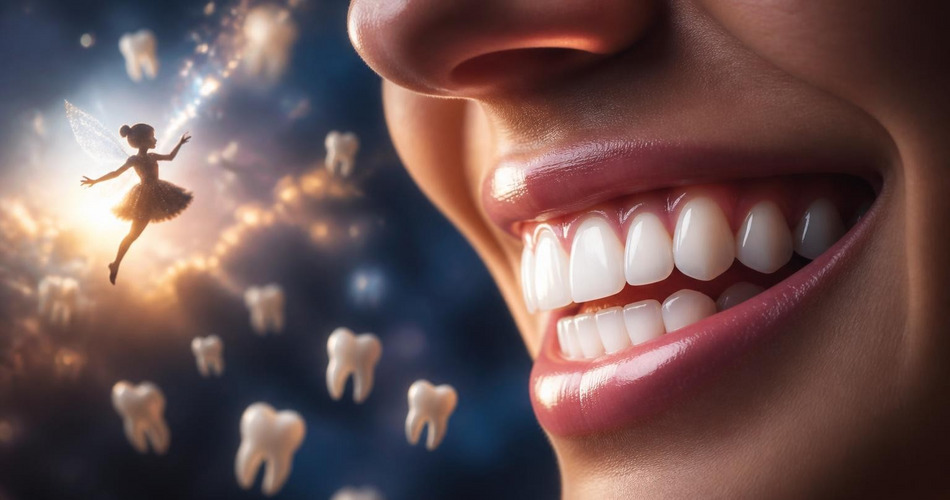
In many Western cultures, the tooth fairy is a beloved figure who collects lost baby teeth and leaves a reward, symbolizing the child’s growth and the family’s care. This tradition helps children cope with the anxiety of losing teeth.
In parts of Asia, such as India and China, it is common to throw lost baby teeth onto the roof or into a mouse hole, hoping that the new tooth will grow as strong as a mouse’s. This reflects a belief in sympathetic magic—like produces like.
Among some Indigenous peoples of the Americas, teeth were used in necklaces and ceremonial objects to represent courage and connection to animal spirits. In Norse mythology, the god Heimdallr had teeth of gold, symbolizing his purity and vigilance.
Spiritual Meaning of Teeth
Spiritually, teeth are often seen as a symbol of grounding and the material world. They are the hardest substance in the human body and represent permanence and endurance. In some traditions, teeth are linked to the element of earth, providing stability and the ability to “chew on” life’s challenges.
Teeth also appear in spiritual practices as tools for divination or as offerings. In certain African and Oceanic cultures, shark teeth are worn as amulets to protect against harm and to instill fearlessness. The sharpness of teeth can symbolize the power of words—”biting” speech or the ability to cut through illusion.
Teeth in Myths and Folklore
One of the most famous mythological uses of teeth is the dragon’s teeth in Greek mythology. Cadmus sowed the teeth of a slain dragon into the ground, and from them sprang fully armed warriors. This story symbolizes the creation of conflict and the idea that teeth contain generative, violent power.
In Norse mythology, the dwarf Andvari had teeth that could turn into gold, linking teeth to wealth and transformation. Folklore from various cultures warns that losing a tooth without proper disposal can bring bad luck or allow witches to gain power over the person. The tooth fairy tradition is a modern, sanitized version of these older beliefs.
Teeth in Dreams
Dreams about teeth are among the most common and often carry strong emotional weight. The most frequent dream scenario involves teeth falling out, breaking, or crumbling. These dreams are typically interpreted as signs of anxiety, loss of control, or fear of aging and death. They may also reflect concerns about appearance or communication.
Dreaming of healthy, strong teeth can indicate confidence, vitality, and a sense of power. Conversely, dreaming of rotten or painful teeth may point to unresolved anger, guilt, or a feeling of being overwhelmed. Teeth dreams often occur during periods of transition, such as starting a new job, ending a relationship, or facing a major decision.
Common Dream Scenarios
- Teeth falling out: Often linked to fear of losing control, insecurity, or major life changes. May also reflect anxiety about aging or death.
- Teeth breaking or crumbling: Suggests feelings of weakness, vulnerability, or that something in life is deteriorating.
- Teeth growing back: Can symbolize renewal, resilience, or the ability to recover from setbacks.
- Teeth rotting or decaying: May indicate guilt, shame, or neglected aspects of life that need attention.
- Teeth being pulled out: Often represents a forced change or loss, such as a breakup or job loss.
- Teeth turning into something else: Such as gold or metal, can symbolize transformation, wealth, or hardening of character.
Teeth in Superstitions and Omens
- Losing a tooth: In many cultures, it is considered unlucky to throw a lost tooth away carelessly. Proper disposal—such as burying it or placing it under a pillow—is thought to ensure a strong new tooth or bring good luck.
- Teeth as talismans: Animal teeth, especially from predators like wolves or sharks, are worn as amulets for protection, courage, and strength.
- Teeth grinding at night: In some folklore, this is a sign that the person is being tormented by spirits or is under a curse.
- Gapped teeth: In some traditions, a gap between the front teeth is considered a sign of good fortune or a lucky personality.
- Teeth chattering: Often associated with fear or cold, but in superstition, it can be an omen of impending bad news.
Frequently Asked Questions
Q: What does it mean when you dream about your teeth falling out?
A: This common dream is usually interpreted as a sign of anxiety, loss of control, or a major life transition. It may reflect fears about aging, appearance, or communication.
Q: Why are teeth used as symbols in mythology?
A: Teeth are hard, durable, and essential for survival, making them natural symbols of strength, power, and generative force. Myths like the dragon’s teeth in Greek mythology use them to represent conflict and creation.
Q: What is the spiritual meaning of teeth?
A: Spiritually, teeth represent grounding, endurance, and the material world. They are often linked to the earth element and symbolize the ability to process life’s experiences.
Q: Are teeth considered lucky or unlucky?
A: It depends on the culture. Losing a tooth can be seen as an opportunity for growth (tooth fairy) or as a risk if not disposed of properly. Animal teeth are often worn as lucky charms for protection.
Related Symbols
- Bones – Like teeth, bones represent structure, strength, and the body’s framework.
- Mouth – The mouth is the gateway for teeth and symbolizes communication, consumption, and expression.
- Jaw – The jaw provides the power for biting and chewing, symbolizing determination and aggression.
- Fangs – Sharp teeth associated with predators and vampires, symbolizing danger, fear, and primal instinct.
- Smile – The smile reveals teeth and is a universal symbol of happiness, welcome, and confidence.