
Briefly
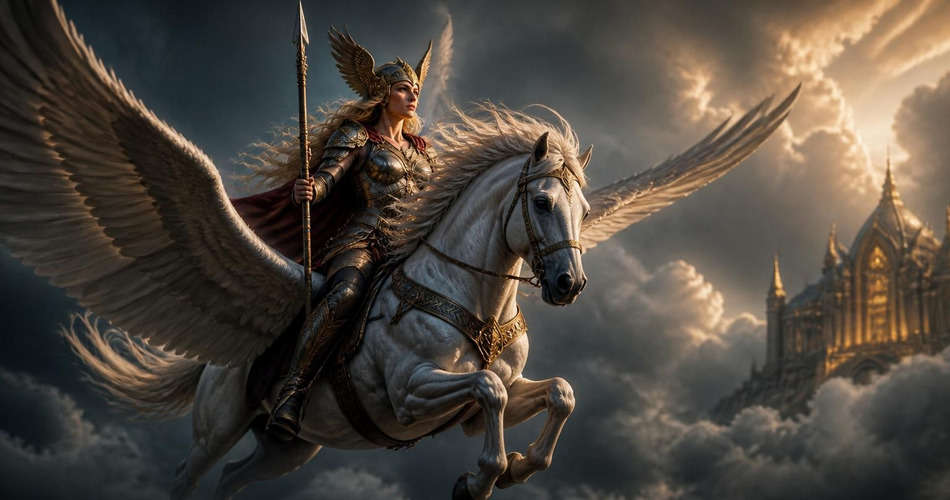
The Valkyrie are female figures from Norse mythology who serve Odin by selecting warriors slain in battle to dwell in Valhalla. They symbolize the intersection of fate, death, and honor, embodying both the terror of war and the promise of an eternal afterlife for the brave. As divine messengers and choosers of the slain, Valkyries represent the inevitability of death for the warrior and the reward of glory. They are also associated with protection, guidance, and, in some accounts, the transformation of warriors into einherjar.
What Does Valkyrie Symbolize?
The Valkyrie primarily symbolizes the choice of death in battle. They decide which warriors are worthy of entering Valhalla, the hall of the slain, where they prepare for Ragnarök. This role makes them symbols of fate and destiny, as they are the agents who determine the outcome of mortal combat. Valkyries also represent honor and glory, since being chosen by a Valkyrie is considered the highest mark of a warrior’s valor. Beyond death, they symbolize protection and guidance, often escorting the fallen hero to the afterlife. In later romanticized interpretations, they additionally embody strength, independence, and feminine power.
Positive and Negative Meanings
Positive associations: For the heroic warrior, being chosen by a Valkyrie is the ultimate honor, signifying a life well-fought and an eternal reward. Valkyries embody courage, destiny fulfilled, and the promise of a grand afterlife among the gods. They also represent female agency and power in a martial context, as they are decisive figures who shape the course of war.
Negative meanings: The Valkyrie’s role as a harbinger of death can evoke fear and anxiety, especially for those unprepared for battle. Their existence reminds warriors that death in combat is not random but predetermined by divine will. In some tales, Valkyries who disobey Odin face severe punishment, highlighting themes of harsh fate and loss of autonomy. For those not chosen, the Valkyrie signifies dishonor and oblivion.
History and Origins of Valkyrie Symbolism
The name Valkyrie comes from Old Norse valkyrja, meaning “chooser of the slain.” These figures appear in the oldest Norse literary sources, including the Poetic Edda and the Prose Edda, compiled in the 13th century but based on earlier oral traditions. In these texts, Valkyries are often depicted as martial women who ride horses, wear armor, and carry spears. They are sometimes described as goddesslike beings, other times as semi-divine servants of Odin. Over time, the image of the Valkyrie evolved from a dark, fate-focused figure into a more romanticized warrior maiden in later Germanic and Victorian literature. Wagner’s opera cycle Der Ring des Nibelungen, particularly the famous “Ride of the Valkyries,” shaped the modern popular image of the Valkyrie as a powerful, winged female figure.
Valkyrie in Norse Mythology
In Norse mythology, the Valkyries are central to the warrior’s worldview. According to the Grímnismál and other Eddic poems, Valkyries serve Odin by choosing which slain warriors go to Valhalla. Once there, the chosen heroes, known as einherjar, feast, fight, and prepare for Ragnarök. The Valkyries themselves are often depicted as battle-maddened maidens who decide the outcome of fights. Some mythological accounts also suggest certain Valkyries are mortal women who are granted the role after death, while others are goddesses. The name of the most famous Valkyrie, Brynhildr, appears in the Völsunga saga and the Poetic Edda, where she is punished for disobedience by being confined to a ring of fire, rescued by the hero Sigurd. This story weaves together themes of fate, love, and defiance, enriching the Valkyrie’s symbolic depth.
Spiritual Meaning of Valkyrie
In a spiritual context, the Valkyrie can be interpreted as guides for the soul after death. They represent the transition from mortal life to the afterlife, particularly for those who live with courage. Some modern pagan and Heathen traditions honor Valkyries as protective spirits who accompany the dead to their final resting place. They also symbolize the embrace of fate and acceptance of mortality. The Valkyrie’s presence in meditation or ritual is sometimes called upon for strength, protection, or clarity about one’s life purpose.
Valkyrie in Dreams
Dreams featuring Valkyries are described in some interpretation lore as connected to themes of death, change, or major life decisions. Because Valkyries are choosers of the slain, a dream of a Valkyrie might indicate an imminent transition or an important choice the dreamer must face.
Common Valkyrie Dream Scenarios
- Seeing a Valkyrie in flight: May symbolize a need for freedom or passage through a challenging period.
- Being chosen by a Valkyrie: Can represent acceptance of a significant fate or surrender to a necessary change.
- Fighting alongside a Valkyrie: Suggests inner strength and readiness to face personal battles.
- A Valkyrie guiding a deceased loved one: Reflects a hope for peaceful afterlife transition or closure.
Valkyrie as Tattoo Symbolism
Valkyrie tattoos are popular among people who identify with Norse heritage or who admire the symbolism of strength, honor, and destiny. The imagery often includes winged helmets, spears, and armored figures. As a tattoo, the Valkyrie can represent a warrior’s spirit, protection in battle (whether literal or metaphorical), and a fearless acceptance of death. For some, it serves as a reminder to live courageously and to embrace one’s fate. The tattoo may also honor fallen comrades or family members, reflecting the Valkyrie’s role as a guide to the afterlife.
Frequently Asked Questions
Q: Are Valkyries angels?
A: No, Valkyries are distinct figures from Norse mythology and should not be confused with angels, though they share a role as divine messengers and guides of the dead.
Q: Can Valkyries be killed?
A: In Norse mythology, Valkyries are generally portrayed as immortal or semi-divine, but some tales, such as the story of Brynhildr, show them subject to punishment and susceptible to mortal consequences.
Q: How many Valkyries are there?
A: Sources vary; the Poetic Edda lists several named Valkyries, while other accounts suggest a larger company. A common number in modern lore is 13, but this is not definitive.
Related Symbols
- Odin – The god who commands the Valkyries.
- Valhalla – The hall where Valkyries bring slain heroes.
- Einherjar – The warriors chosen by Valkyries.
- Brynhildr – The most famous Valkyrie in Norse legend.
- Hel – The realm of the dead for those not chosen.


