Briefly
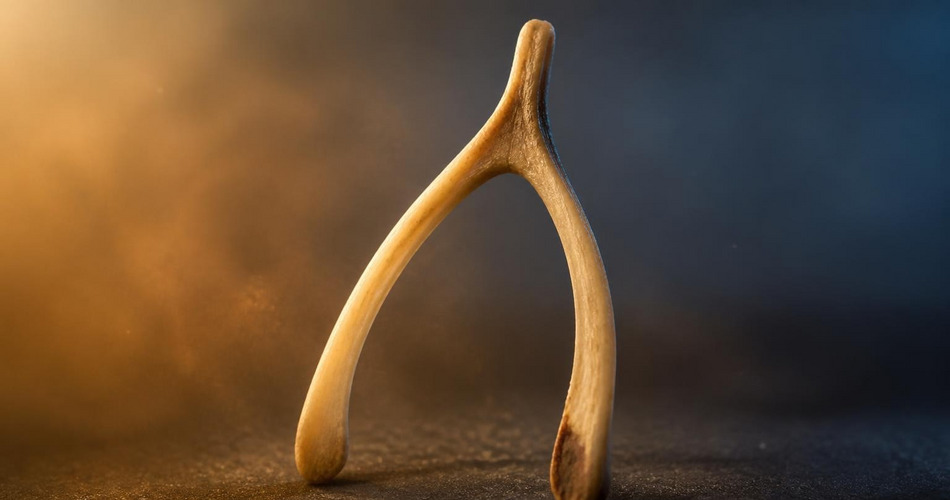
The wishbone, or furcula, is the forked bone found in birds, traditionally used in a game of chance where two people pull it apart; the person left with the larger piece is granted a wish. This simple object has become a universal symbol of good luck, hope, and the power of making a wish. Its symbolism is rooted in ancient traditions and continues to appear in modern superstitions and popular culture.
What Does the Wishbone Symbolize?
The wishbone primarily symbolizes good luck and the fulfillment of a wish. It represents hope, optimism, and the belief that a simple act can influence fate. The act of pulling the wishbone also symbolizes a shared moment of connection between two people, as they both participate in the ritual with a common desire. Additionally, the wishbone’s shape—a V or Y—can represent a choice or a fork in the road, echoing the decision-making process inherent in making a wish.
Positive and Negative Meanings of the Wishbone
Positive associations: The wishbone is overwhelmingly seen as a positive symbol. It embodies luck, hope, and the anticipation of a positive outcome. The ritual of pulling the wishbone fosters a sense of camaraderie and shared optimism, making it a cherished tradition in many families and social gatherings.
Negative meanings: The wishbone carries few negative connotations. If the bone breaks unevenly or one person feels cheated, it can lead to disappointment or a sense of unfairness. In rare cases, the wishbone may symbolize unfulfilled hopes if the wish does not come true, but this is not a core part of its symbolism.
History and Origins of Wishbone Symbolism
The tradition of using a wishbone dates back to ancient times. The Etruscans, who lived in what is now Italy, are believed to have originated the practice. They would dry the furcula of a bird and then break it, believing that the person who obtained the larger piece would have their wish granted. The Romans later adopted this custom and spread it across Europe. Over centuries, the wishbone became associated with good fortune and was often carried as a talisman. By the Middle Ages, the practice of pulling the wishbone had become a common folk tradition, especially during festive meals.
Wishbone Symbolism in Different Cultures
In many Western cultures, the wishbone is closely tied to Thanksgiving and Christmas dinners, where a turkey or chicken wishbone is saved and dried for the ritual. In some Asian cultures, a similar practice exists using the breastbone of a chicken, though the symbolism of luck and wish fulfillment remains consistent. In parts of Europe, the wishbone was historically used as a charm to ward off evil spirits. While the specifics vary, the core symbolism of hope and good fortune transcends cultural boundaries.
Spiritual Meaning of the Wishbone
Spiritually, the wishbone represents the connection between the earthly and the divine. The act of making a wish is a form of prayer or intention-setting, and the wishbone serves as a physical vessel for that hope. It is often seen as a reminder to remain optimistic and to believe in the possibility of positive change. Some view the wishbone as a symbol of faith—a tangible object that holds the energy of a heartfelt desire.
Wishbone in Myths and Folklore
In European folklore, the wishbone was sometimes considered a protective charm. It was believed that carrying a wishbone could bring good luck and ward off misfortune. Some tales suggest that the wishbone’s shape resembles a bridge between worlds, allowing wishes to travel to the heavens. While not tied to a specific myth, the wishbone appears in numerous folk traditions as a simple but powerful token of hope.
Wishbone in Dreams
Dreaming of a wishbone often reflects a desire for luck or a decision that needs to be made. It may indicate that the dreamer is hoping for a positive outcome in a particular situation. The wishbone in a dream can also symbolize a shared bond or a moment of connection with someone else. The context of the dream—whether the wishbone is whole, broken, or being pulled—provides additional insight.
Common Wishbone Dream Scenarios
- Pulling a wishbone and winning: Suggests that the dreamer will achieve a desired outcome or receive good news.
- Pulling a wishbone and losing: May indicate fear of disappointment or a need to adjust expectations.
- Finding a wishbone: Symbolizes an unexpected opportunity or a stroke of luck.
- A broken wishbone: Could represent a missed chance or a wish that has not been fulfilled.
- Receiving a wishbone as a gift: Points to support from others and the potential for shared success.
Wishbone in Superstitions and Omens
The most well-known superstition involving the wishbone is the pulling ritual: two people each hold one side of the dried bone, make a silent wish, and pull. The person who ends up with the larger piece is said to have their wish granted. It is considered bad luck to break the wishbone before it is dry, and some believe that the wish will only come true if the bone is pulled with genuine intent. In some traditions, the wishbone is kept as a charm for ongoing good fortune.
Wishbone Tattoo Meaning
A wishbone tattoo is a popular design that symbolizes luck, hope, and a positive outlook on life. It can also represent a belief in the power of wishes and the importance of staying optimistic. Some people choose a wishbone tattoo as a reminder of a cherished tradition or as a tribute to a loved one. The design is often simple and elegant, sometimes paired with stars or other lucky symbols.
Frequently Asked Questions about the Wishbone
Q: What is a wishbone?
A: A wishbone is the forked bone (furcula) found in birds, traditionally used in a game where two people pull it apart; the person with the larger piece gets a wish.
Q: Where does the wishbone tradition come from?
A: The tradition originated with the Etruscans and was later adopted by the Romans, spreading across Europe and eventually to other parts of the world.
Q: Is the wishbone only for good luck?
A: Primarily yes, but it also symbolizes hope, connection, and the act of making a wish.
Q: Can you make a wish on a wishbone alone?
A: Traditionally, the wish is made during the pulling ritual with another person, but some people make a wish while holding a wishbone by themselves.
Related Symbols
- Four-leaf clover – symbol of luck
- Rabbit’s foot – lucky charm
- Horseshoe – protection and good fortune
- Lucky penny – found money as a sign of luck
- Rainbow – hope and promise