
Briefly
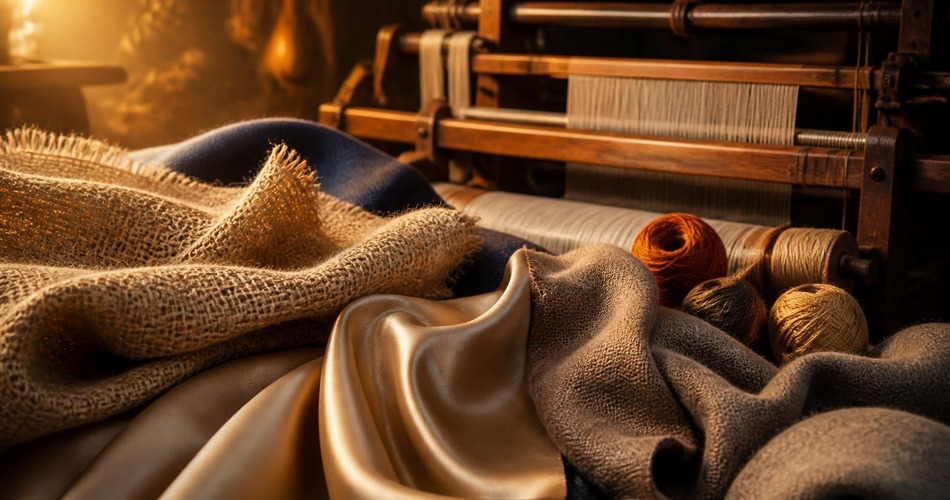
Fabric, in its broadest sense, symbolizes the woven nature of life, society, and identity. As a fundamental human creation, it represents shelter, protection, and the basic need for covering. Beyond its practical uses, fabric carries deep symbolic weight, often standing for connection, as threads are woven together to create a whole. It can also signify the stories and histories we are wrapped in, from the clothes we wear to the tapestries that decorate our homes.
What Does Fabric Symbolize?
Fabric primarily symbolizes connection and unity. The very process of weaving individual threads into a cohesive whole is a powerful metaphor for how individuals come together to form families, communities, and societies. This concept is so ingrained that we speak of the “fabric of society” to describe the interconnected relationships and institutions that hold a community together.
Fabric also symbolizes identity and status. Throughout history, the type, color, and quality of fabric a person wore immediately signaled their social standing, profession, wealth, and even their marital status. From the coarse wool of a peasant to the fine silk of a noble, fabric has been a primary means of non-verbal communication about who a person is and where they belong in the world.
Furthermore, fabric symbolizes transformation. Raw fibers—cotton from a plant, wool from a sheep, or silk from a cocoon—are transformed through spinning, dyeing, and weaving into something entirely new. This process mirrors personal growth and change, where raw experiences are woven into the fabric of one’s character. Fabric can also represent protection, as it shields the body from the elements, and comfort, as in the softness of a familiar blanket or a cherished garment.
Positive and Negative Meanings
Positive associations: Fabric is strongly associated with warmth, shelter, and security. It provides comfort and protection from the cold and the elements. It is also a medium for creativity and self-expression, allowing individuals to project their personality and aesthetic through the clothes they wear and the textiles they choose for their homes. The act of weaving or sewing can be a meditative and creative process, symbolizing patience, skill, and the creation of something lasting and beautiful.
Negative meanings: On the negative side, fabric can symbolize conformity and restriction. Uniforms, for example, can suppress individuality. The cost and exclusivity of certain fabrics can represent social division and inequality. The phrase “cut from the same cloth” can imply a lack of originality or a forced similarity. Additionally, the production of fabric, particularly in the fast-fashion industry, has negative connotations related to environmental damage and exploitative labor practices, giving the material a shadow side of waste and injustice.
History and Origins of the Symbolism
The symbolic power of fabric is as old as human civilization itself. The earliest known fabrics, such as linen from flax fibers found in a prehistoric cave in Georgia dating back 36,000 years, show that the creation of textiles was a fundamental human innovation. This act of turning plant or animal fibers into a flexible material was a form of mastery over nature, a symbolic step away from raw animal hides and toward a more controlled, crafted existence.
In the ancient world, the production of fabric was a central economic and cultural activity. In Egypt, linen was associated with purity and light, used for mummy wrappings and priestly garments. The Bible and other ancient texts are filled with fabric metaphors, from Joseph’s “coat of many colors” symbolizing his father’s favor to the fine linen of the Proverbs 31 woman representing virtue and industry. The development of the loom itself was seen as a technological and symbolic marvel, a device that could create order from chaos, weaving the threads of fate or destiny. In Greek mythology, the Fates (Moirai) spin, measure, and cut the thread of a person’s life, directly linking the act of textile creation to the fundamental course of human existence.
Fabric Symbolism in Different Cultures
Across cultures, specific fabrics carry distinct symbolic meanings. In India, silk is a symbol of purity, auspiciousness, and prosperity, and is the traditional fabric for wedding saris and religious ceremonies. The handwoven khadi fabric, promoted by Mahatma Gandhi, became a powerful symbol of Indian self-reliance and resistance to British colonial rule, representing economic independence and national pride.
In Japan, the kimono is far more than a garment; it is a cultural symbol of identity, aesthetics, and tradition. The fabric, its pattern, and the way it is worn can indicate the wearer’s age, marital status, and the season. The art of sashiko, a form of decorative reinforcement stitching on fabric, originated from a need for practicality and thrift but evolved into a symbol of perseverance and beauty in mending, reflecting the Japanese aesthetic of wabi-sabi, which finds beauty in imperfection and repair.
In many West African cultures, kente cloth from Ghana is a royal and sacred fabric. Its intricate, brightly colored patterns are not merely decorative; each pattern has a specific name and meaning, telling stories, recording historical events, or conveying philosophical concepts. Wearing kente cloth is a symbol of prestige, cultural heritage, and a connection to ancestors.
Spiritual Meaning
Spiritually, fabric often represents the veil between the physical and spiritual worlds. In many traditions, the fabric of a temple curtain or a sacred garment is seen as a boundary that separates the mundane from the divine. The tearing of the temple veil in the Bible at the moment of Jesus’s death is a powerful symbol of the barrier between humanity and God being removed.
Fabric also symbolizes the soul’s journey. The process of weaving can be seen as a metaphor for life, where each choice and experience is a thread that contributes to the final tapestry of one’s existence. In some spiritual practices, creating or wearing a garment of a specific color or material is an act of intention, used for protection, meditation, or to invoke certain energies. The act of mending or darning fabric can be a spiritual practice of healing and making whole, repairing the tears in one’s own spiritual fabric.
Fabric in Myths and Folklore
Fabric and weaving are central to many myths and folktales. In Greek mythology, the story of Arachne is a cautionary tale about pride. Arachne, a mortal weaver, boasted that her skill was greater than that of the goddess Athena. They held a weaving contest, and while Arachne’s work was flawless in technique, its subject matter mocked the gods. As punishment, Athena turned Arachne into a spider, forever weaving her web. This myth highlights the power of woven fabric as a form of storytelling and a medium for expressing truth or hubris.
In Norse mythology, the Norns are female beings who weave the threads of fate at the base of Yggdrasil, the World Tree. They determine the destiny of all beings, reinforcing the deep connection between textile work and the fundamental forces of life, death, and time. In many European folktales, magical garments like a cloak of invisibility or a flying carpet represent the desire to transcend human limitations, using fabric as a tool for power, escape, or transformation.
Fabric in Dreams
Dreaming of fabric often relates to one’s personal identity, relationships, and emotional state. The condition, type, and color of the fabric in a dream can offer clues to the dreamer’s subconscious feelings. While specific dream interpretations can vary, common themes include the fabric of one’s life feeling strong or fragile, and the desire to cover up or reveal something about oneself.
Common Dream Scenarios
- Wearing fine, luxurious fabric: This may symbolize a desire for recognition, success, or a higher social status. It can also indicate feeling confident and put-together in one’s waking life.
- Wearing torn or dirty fabric: Often represents feelings of shame, vulnerability, or being exposed. It can suggest that the dreamer feels their reputation is damaged or that they are not presenting their best self to the world.
- Weaving or sewing fabric: This is a powerful symbol of creation and control. It may indicate that the dreamer is actively working to build or mend something in their life, such as a relationship, a project, or their own sense of self.
- Being wrapped or entangled in fabric: Can symbolize feeling restricted, suffocated, or trapped by a situation or relationship. It may also represent a need for comfort and security, as if being wrapped in a protective cocoon.
Fabric in Superstitions and Omens
Fabric features in many folk superstitions. A common one is the belief that it is bad luck to sew a button or mend a garment while wearing it, as it is said to “sew up” your good fortune or intelligence. Another widespread superstition is the fear of a bride making her own wedding dress, as it is thought to bring bad luck or tears to the marriage; the dress is traditionally made by others as a sign of community support.
In some traditions, the color and type of fabric used for a baby’s first clothing are considered omens. For example, dressing a baby in silk is sometimes believed to bring a life of luxury, while certain colors are chosen to ward off evil spirits. The act of tearing fabric, rather than cutting it, was historically seen in some cultures as a way to release negative energy or spirits, which is why mourning clothes were sometimes torn as a ritual act of grief.
Fabric in Art and Literature
Fabric is a potent symbol in art and literature. In Nathaniel Hawthorne’s novel The Scarlet Letter, the embroidered scarlet “A” on Hester Prynne’s chest is a piece of fabric that symbolizes her sin and shame, but which she transforms through her exquisite needlework into a symbol of her own identity and, ultimately, her strength and grace. The fabric is both a mark of public condemnation and a testament to her private skill and defiance.
In visual art, the Bayeux Tapestry is a monumental example of fabric as historical narrative. This embroidered cloth, nearly 70 meters long, tells the story of the Norman Conquest of England in 1066. It is not a tapestry in the true sense but an embroidery, and it uses wool yarn on linen to depict a detailed political and military saga, showing how fabric can be a primary medium for recording history and shaping public memory.
In Virginia Woolf’s novel Mrs Dalloway, the character of Septimus Smith, a traumatized war veteran, experiences a profound vision where the world is a beautiful but terrifying piece of fabric. He sees the pattern of life as a continuous, interwoven whole, and his inability to connect with this fabric symbolizes his mental breakdown and alienation from society.
Meanings of Different Types of Fabric
- Silk: Symbolizes luxury, wealth, sensuality, and refinement. Its delicate strength and shimmering appearance have made it a fabric of royalty and high status for millennia.
- Cotton: Represents comfort, practicality, simplicity, and democracy. As a durable, breathable, and relatively inexpensive fabric, it is associated with everyday life and the common person.
- Wool: Symbolizes warmth, protection, endurance, and tradition. Its natural insulating properties connect it to the earth and the cycle of the seasons, and it is often associated with rustic, hardy lifestyles.
- Linen: Represents purity, cleanliness, and coolness. Its association with ancient Egypt and priestly garments gives it a sacred and refined quality, often used for high-quality clothing and household items in warm climates.
- Velvet: Symbolizes opulence, depth, and softness. Its rich texture and ability to absorb light give it a sense of mystery and luxury, often associated with royalty, theatricality, and comfort.
Frequently Asked Questions
Q: What does it mean when you dream of cutting fabric?
A: Dreaming of cutting fabric often symbolizes a desire to make a change, sever a connection, or bring an end to a particular phase in your life. It can represent the act of making a decisive choice or cutting ties with the past.
Q: Why is fabric used as a metaphor for society?
A: The metaphor of the “fabric of society” is powerful because it captures the idea that society is not a collection of isolated individuals, but a complex, interwoven structure. Just as threads are woven together to create a strong fabric, so are laws, customs, relationships, and institutions woven together to create a stable and functional society.
Q: What is the spiritual significance of weaving?
A: Weaving is a deeply spiritual act in many cultures, symbolizing the creation of life and the universe. It represents the process of bringing order from chaos, connecting the seen and unseen worlds, and the continuous creation of one’s own destiny through the choices and actions that form the threads of one’s life.
Related Symbols
- Thread – The individual element that, when combined, creates fabric; symbolizes connection, fate, and the smallest unit of a larger whole.
- Loom – The tool that creates fabric; symbolizes creation, order, and the framework of life.
- Clothing – The primary application of fabric; symbolizes identity, social role, and protection.
- Tapestry – A specific type of fabric art; symbolizes storytelling, history, and the complex interweaving of events.
- Veil – A piece of fabric used to conceal or separate; symbolizes mystery, the boundary between worlds, and the hidden aspects of reality.