Briefly
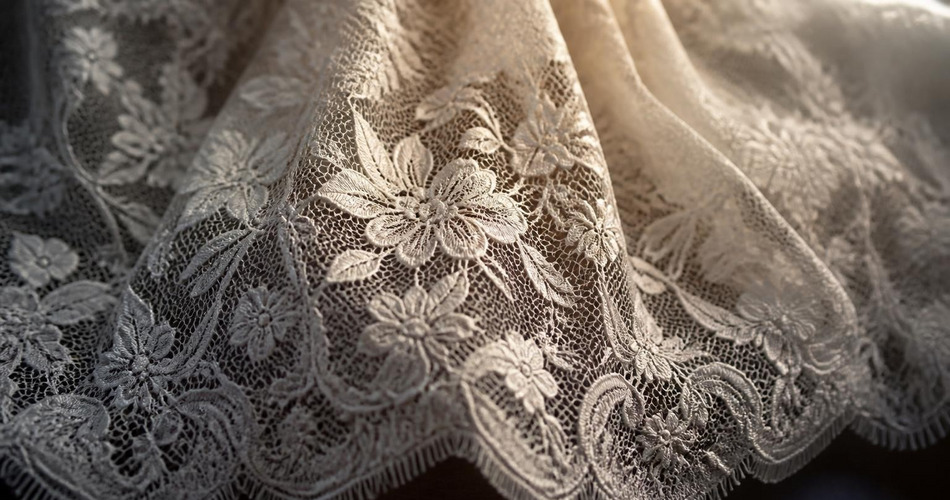
Lace is a delicate fabric made by looping, twisting, or knotting threads into intricate open patterns. It has long been associated with elegance, femininity, and refinement, often used in formal attire, wedding gowns, and heirloom linens. At the same time, lace can carry connotations of seduction and concealment, as its transparency reveals as much as it hides. Its complex craftsmanship also symbolizes patience, skill, and the beauty of intricate detail.
What Does Lace Symbolize?
Lace primarily symbolizes elegance and refinement. Its intricate patterns and airy structure suggest something precious and carefully made, often reserved for special occasions. Because lace requires great skill and time to produce, it also represents craftsmanship and dedication. In many contexts, lace is a marker of social status, as only the wealthy could afford handmade lace in past centuries.
Beyond its aesthetic associations, lace embodies duality: it can signify purity and innocence when used in bridal wear, yet also allure and mystery when worn as lingerie or sheer garments. The openwork of lace allows glimpses of what lies beneath, making it a symbol of both revelation and concealment. This tension gives lace a layered symbolic meaning that varies with context.
Positive and Negative Meanings
Positive associations: Lace is widely seen as a symbol of beauty, grace, and femininity. It evokes romance, tradition, and celebration, particularly in weddings and formal events. The meticulous artistry of lace also represents patience, creativity, and the value of handcrafted work.
Negative meanings: On the negative side, lace can suggest superficiality or fragility, as its delicate appearance may imply something easily torn or insubstantial. In some contexts, lace has been associated with vanity or excessive ornamentation, especially when used to display wealth. Its ability to conceal while revealing can also carry undertones of deception or seduction.
History and Origins of Lace Symbolism
Lace as a textile emerged in Europe during the 16th century, with early centers of production in Italy, Flanders, and France. The word «lace» comes from the Old French «las», meaning a noose or loop, reflecting the looping techniques used in its creation. Handmade lace was an expensive luxury, often reserved for royalty and the aristocracy, which cemented its association with wealth and high social standing.
During the Renaissance, lace became a prominent feature in portraits of noblewomen and clergymen, symbolizing their status and refined taste. By the 17th and 18th centuries, lace was used in elaborate ruffs, collars, and cuffs, and its patterns often carried hidden meanings – for example, certain floral motifs were linked to love or fidelity. The Industrial Revolution made lace more accessible, but its symbolic link to elegance and tradition persisted.
Lace Symbolism in Different Cultures
In Western cultures, lace is most strongly tied to weddings and romance. A bride wearing a lace veil or dress is a common tradition, symbolizing purity, modesty, and the unveiling of the bride to her new life. In many European countries, heirloom lace is passed down through generations, representing family heritage and continuity.
In Latin American cultures, lace is often used in religious garments and festive attire, such as the embroidered blouses known as «huipiles» in Mexico, which incorporate lace-like openwork. In parts of Asia, lace-making was introduced by European missionaries and traders, and local variations emerged. For example, in India, lace (often called «kashida» or «chikan» embroidery) is used in traditional dress, symbolizing artistry and cultural identity.
In many African cultures, lace fabric is used in special occasion wear, such as weddings and christenings, where it signifies celebration and prestige. The intricate patterns are often seen as a reflection of community values and skilled craftsmanship.
Spiritual Meaning of Lace
Spiritually, lace can represent the interweaving of the divine and the human, or the delicate balance between the material and the ethereal. Its open, net-like structure has been likened to a veil between worlds, capable of filtering or revealing spiritual truths. In some Christian traditions, lace is used in altar cloths and vestments, symbolizing purity and the intricate beauty of creation.
In meditation and mindfulness practices, the repetitive, detailed work of lace-making can be seen as a form of contemplative prayer, with each knot or loop representing a thought or intention. The finished piece, with its harmonious patterns, mirrors the interconnectedness of all things.
Lace in Myths and Folklore
Lace appears in European folklore, particularly in stories about skilled lacemakers who receive supernatural aid. One well-known tale is the legend of the «Lacemaker of Bruges», a story about a woman whose lacemaking was so fine that it was said to be inspired by fairies. In some versions, a fairy or spirit helps the lacemaker complete a difficult piece, symbolizing the idea that exceptional craftsmanship borders on magic.
In Scandinavian folklore, lace patterns were sometimes believed to ward off evil spirits, with the intricate designs thought to confuse or trap malevolent forces. This protective symbolism echoes the use of lace in wedding veils, which historically were meant to shield the bride from harm.
Lace in Dreams
Dreaming of lace can carry multiple meanings depending on the context. Generally, lace in dreams symbolizes intricate details in one’s life, relationships, or emotions. It may indicate a need to pay attention to subtle nuances or to appreciate beauty in small things. Alternatively, lace can represent something fragile or easily broken, such as a delicate situation or a vulnerable aspect of the self.
If the lace in the dream is torn or dirty, it may suggest feelings of loss, damaged relationships, or a sense of being exposed. Clean, beautiful lace often points to harmony, celebration, or a desire for elegance and refinement.
Common Dream Scenarios
- Wearing lace: May indicate a desire to appear more attractive or refined, or a need to conceal certain aspects of your personality.
- Buying or receiving lace: Could symbolize upcoming celebrations, gifts, or a focus on material pleasures.
- Mending or making lace: Suggests patience, attention to detail, and a willingness to work through complex issues.
- Torn or stained lace: Often reflects disappointment, betrayal, or a sense that something precious has been damaged.
Lace in Superstitions and Omens
Lace has several superstitions attached to it, particularly in Western traditions. A common belief is that wearing a piece of lace given by a loved one brings good luck and protects the wearer. In some regions, it is considered unlucky to mend lace on a Sunday, as it is thought to bring misfortune.
Black lace is often associated with mourning and is worn at funerals in some cultures, symbolizing grief and respect. White lace, by contrast, is a positive omen for weddings and christenings, representing new beginnings and purity. Finding a piece of lace on the ground is sometimes seen as a sign that a romantic encounter or celebration is imminent.
Lace in Art and Literature
Lace has been a prominent motif in visual art, most famously in Johannes Vermeer’s painting «The Lacemaker» (c. 1669–1670), which depicts a young woman intently working on lace. The painting emphasizes concentration, domestic virtue, and the quiet dignity of skilled labor. The intricate detail of the lace itself mirrors the artist’s own meticulous technique.
In literature, lace appears as a symbol of refinement and hidden emotion. In Henry James’s novel «The Portrait of a Lady», the protagonist Isabel Archer is described wearing lace, which subtly underscores her elegance and the constraints of her social position. More recently, Tracy Chevalier’s historical novel «The Lacemaker» (also known as «The Girl with the Pearl Earring»? Actually Chevalier wrote «The Lady and the Unicorn» and «The Last Runaway»; the novel «The Lacemaker» is by a different author – to be accurate, we can mention that lace features in many works of historical fiction, such as «The Lace Reader» by Brunonia Barry, where lace is central to the plot and symbolism of perception and truth.
In poetry, lace often evokes delicacy and transience. For example, in Emily Dickinson’s poem «A lace of leaves», she uses lace imagery to describe nature’s intricate beauty and the fleeting quality of life.
Lace Tattoo Meaning
Lace patterns are popular in tattoo art, often chosen for their aesthetic appeal and symbolic weight. A lace tattoo can represent femininity, elegance, and a love for intricate detail. It may also signify a connection to tradition or family heritage, especially if the design mimics heirloom lace.
Because lace is both revealing and concealing, a lace tattoo can symbolize the wearer’s desire to show only selected aspects of their personality. It can also represent the idea of something beautiful that requires patience and skill to create – a metaphor for personal growth or a meaningful relationship.
Meanings of Different Types, Colors, or Variations
- White lace: The most traditional color, symbolizing purity, innocence, and celebration. Commonly used in weddings and christenings.
- Black lace: Often associated with mourning, mystery, or seduction. In fashion, black lace can convey sophistication and a touch of darkness.
- Red lace: Suggests passion, romance, and boldness. It is often used in lingerie or festive attire to draw attention.
- Gold or metallic lace: Represents luxury, wealth, and opulence. Historically used in royal garments and religious vestments.
- Floral lace patterns: Emphasize natural beauty, growth, and femininity, often linked to romantic or springtime themes.
- Geometric lace: May symbolize order, precision, and modernity, contrasting with the organic feel of floral designs.
Frequently Asked Questions
Q: What does lace symbolize in a wedding?
A: In weddings, lace symbolizes purity, modesty, and the unveiling of the bride. It also represents tradition and the careful craftsmanship of a new beginning.
Q: Is lace considered a luxury symbol?
A: Yes, historically handmade lace was extremely expensive and worn only by the wealthy, so it became a status symbol. Even today, fine lace is associated with elegance and exclusivity.
Q: Can lace have negative symbolism?
A: Yes, lace can suggest fragility, superficiality, or deception due to its ability to conceal while revealing. In some contexts, it is linked to vanity or seduction.
Q: What does it mean to dream of lace?
A: Dreaming of lace often points to intricate details in your life, a need for refinement, or a fragile emotional state. The condition of the lace in the dream provides further clues.
Related Symbols
- Veil – shares lace’s symbolism of concealment and revelation, especially in weddings.
- Embroidery – another form of decorative needlework representing patience and artistry.
- Silk – a luxurious fabric often paired with lace, symbolizing wealth and sensuality.
- Net – structurally similar to lace, symbolizing connection, capture, or protection.
- Ribbon – often used with lace, representing ties, bonds, and celebration.