Briefly
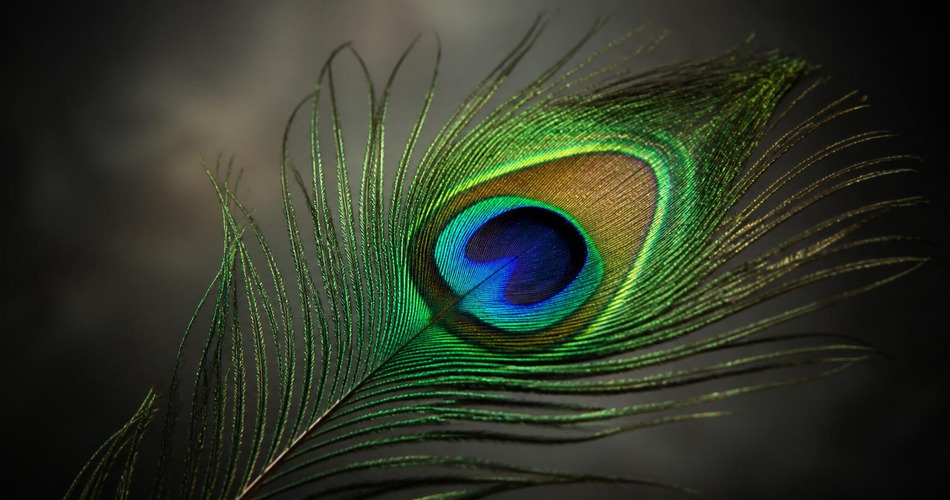
The peacock feather is a potent symbol recognized worldwide for its striking beauty and intricate design. It commonly represents qualities such as pride, vanity, immortality, renewal, and protection. Its distinctive eye-like patterns have led to associations with watchfulness and the divine, while its iridescent colors evoke creativity and spiritual awakening. At the same time, the feather carries contradictory meanings in different cultures, where it can be seen as either a lucky charm or an omen of bad luck.
What Does the Peacock Feather Symbolize?
The peacock feather is most frequently associated with beauty and pride. Its vibrant, iridescent colors and elaborate eye patterns make it a natural emblem of visual splendor and self-confidence. In many traditions, the feather also symbolizes renewal and immortality, inspired by the peacock’s annual molting and regrowth of its plumage. The eye-like markings give the feather a protective quality, suggesting vigilance and the ability to ward off evil. Additionally, the feather is linked to the concepts of royalty, integrity, and the unfolding of spiritual awareness.
Positive and Negative Meanings
Positive associations: The peacock feather is celebrated for its representation of beauty, elegance, and grace. It symbolizes renewal and rebirth, echoing the peacock’s cycle of shedding and regrowing feathers. The feather is also a powerful protective symbol, believed to guard against negative energies and the evil eye. In many cultures, it signifies dignity, honor, and spiritual awakening, inspiring creativity and self-expression.
Negative meanings: Conversely, the peacock feather can represent vanity, arrogance, and excessive pride, drawing from the bird’s known behavior of strutting and displaying its plumage. In some traditions, especially in parts of Europe and the Middle East, the feather is considered unlucky because its eye pattern resembles the evil eye or because owning one is thought to bring misfortune, particularly in theatrical settings where it may be believed to cause quarrels among performers.
History and Origins of the Peacock Feather Symbolism
The symbolic use of peacock feathers dates back thousands of years. In ancient India, the feather was sacred to the god Krishna, who is often depicted wearing a single peacock feather in his crown, symbolizing divine love, joy, and protection. The bird itself was native to the Indian subcontinent and was later introduced to other regions through trade and conquest. In ancient Greece and Rome, the peacock was associated with the goddess Hera; the feathers were said to bear the eyes of her hundred-eyed watchman Argus, representing vigilance and all-seeing power. In early Christian art, the peacock feather became a symbol of immortality and the resurrection of Christ, as the bird’s flesh was believed to be incorruptible. These historical roots established the peacock feather as a cross-cultural emblem of beauty, divine protection, and eternal life.
Peacock Feather Symbolism in Different Cultures
In Hinduism, the peacock feather is deeply revered. It is associated with the god Krishna, who adorns his hair with it, and with the goddess Lakshmi, representing wealth and prosperity. The feather is often used in religious ceremonies and is considered a protector against harm. In Buddhism, the peacock feather symbolizes compassion and wakefulness; the bird is believed to eat poisonous plants without harm, turning them into beautiful feathers, which represents the transformation of suffering into wisdom. In Christianity, the peacock feather became an emblem of the resurrection and eternal life, frequently depicted in early Christian mosaics and catacomb art. In Greek mythology, the feather’s eye pattern is linked to the all-seeing eyes of the giant Argus, set into the peacock’s tail by Hera, giving the feather a protective, watchful meaning. In some European folk traditions, however, the feather is considered unlucky—especially in theater—and is avoided in homes to prevent misfortune or conflict.
Spiritual Meaning of the Peacock Feather
Spiritually, the peacock feather is seen as a symbol of awakening, integrity, and divine vision. Its multitude of colors represents the full spectrum of consciousness and the ability to see beyond illusion. The feather is often used in meditation practices to enhance one’s connection to higher realms, promoting a sense of protection and clarity. In many spiritual traditions, it is believed to purify the energy of a space, warding off negativity and inviting in positive vibrations. The eye pattern serves as a reminder of the soul’s constant awareness and the presence of a higher power watching over all creation.
Peacock Feather in Myths and Folklore
The most famous myth involving the peacock feather comes from Greek mythology. According to the story, the goddess Hera placed the hundred eyes of her faithful watchman Argus onto the tail of the peacock, creating the feather’s distinctive eye pattern. This gave the feather its association with vigilance, omniscience, and protection. In Hindu mythology, the peacock is the mount of the war god Kartikeya, and its feather is a symbol of glory and immortality. The feather is also central to the story of Krishna, who, as a child, was fond of peacock feathers and wore one in his turban, signifying his playful, divine nature. In Chinese folklore, the peacock is a symbol of beauty and dignity, and its feather was used in official court dress to indicate rank and authority. These stories have cemented the peacock feather’s status as a powerful mythological emblem across the Eastern and Western worlds.
Peacock Feather in Dreams
Dreaming of a peacock feather can carry various meanings depending on the context. Generally, it may symbolize a desire for recognition, an appreciation of beauty, or a warning against vanity. The feather’s appearance in dreams often relates to self-expression and confidence. Seeing a single feather might indicate that the dreamer is being too proud or needs to embrace their unique qualities. A broken or dirty feather could suggest a blow to one’s ego or a loss of confidence. Because dream interpretation is highly personal, the exact meaning often depends on the dreamer’s feelings and associations with the feather.
Common Dream Scenarios
- Finding a peacock feather: May indicate an upcoming opportunity for self-expression or a period of increased creativity. It can also suggest that the dreamer is being offered protection or guidance.
- Wearing a peacock feather: Often reflects a desire to stand out or be admired. It can also point to a sense of pride in one’s achievements or appearance.
- A broken or faded peacock feather: May symbolize disappointment, loss of confidence, or a warning against arrogance. It can also indicate that something beautiful in the dreamer’s life is fading.
- Many peacock feathers: Suggests an abundance of beauty, creativity, or pride. It might also warn of excessive vanity or attention-seeking behavior.
Peacock Feather in Superstitions and Omens
Peacock feathers have a complex role in superstition. Across different cultures, they are viewed as both protective talismans and bearers of bad luck. Common beliefs include:
- Protection: In many Eastern traditions, peacock feathers are kept in homes to ward off evil spirits and the evil eye, as their eye patterns are thought to watch over the household.
- Theater superstition: In Western theatrical tradition, peacock feathers on stage are considered highly unlucky, believed to cause arguments, accidents, or even ruin a production. This superstition may stem from the feather’s association with the evil eye.
- Wealth and prosperity: In some cultures, especially in India, peacock feathers are associated with the goddess Lakshmi and are kept in homes or businesses to attract wealth and good fortune.
- Bad luck in the home: In parts of Europe and the Middle East, it is believed that having a peacock feather indoors can bring misfortune, illness, or conflict to the family.
Peacock Feather in Art and Literature
The peacock feather has been a prominent motif in art and literature for centuries. In Hindu iconography, the god Krishna is repeatedly depicted wearing a peacock feather in his headdress, as seen in miniature paintings and temple sculptures. Early Christian art, such as the mosaics in the Basilica of San Vitale in Ravenna, features peacocks and their feathers as symbols of immortality and the resurrection. In Islamic art, the peacock feather represents beauty and the divine, often appearing in intricate textile designs and architecture. In literature, the peacock feather appears in classical Persian poetry as a symbol of pride and beauty, and in modern contexts, it has been used in works like H.D.’s poem “The Gift” and in the novel “The Peacock Feather” by John O’Hara, though the latter is less common. The feather also features prominently in fashion and design, from Art Nouveau jewelry to contemporary runway collections, emphasizing its enduring appeal.
Peacock Feather Tattoo Meaning
Peacock feather tattoos are popular for their vibrant colors and rich symbolism. They often represent beauty, pride, and renewal. Many people choose the design to symbolize personal transformation, spiritual growth, or a connection to divine protection. The eye-like patterns can also signify watchfulness and wisdom. In some cases, a peacock feather tattoo is used to express individuality and a fearless embrace of one’s unique qualities. The placement and colors of the tattoo can add layers of meaning, with blue and green tones often associated with calm and abundance.
Frequently Asked Questions
Q: Is it bad luck to have peacock feathers at home?
A: It depends on cultural context. In many Eastern traditions, peacock feathers are considered protective and bring good fortune. However, in some European and Middle Eastern beliefs, they are thought to bring misfortune, especially when kept indoors. Many people today view them simply as decorative items.
Q: What does a peacock feather symbolize in Hinduism?
A: In Hinduism, the peacock feather is sacred to Lord Krishna and symbolizes divine love, beauty, and protection. It is also associated with the goddess Lakshmi, representing wealth and prosperity. The feather is often used in religious ceremonies and home decor for blessings.
Q: Can I wear peacock feathers as jewelry?
A: Yes, peacock feathers are frequently used in jewelry such as earrings, pendants, and hair accessories. They are valued for their iridescent colors and symbolic meanings of beauty and protection. In many cultures, wearing them is considered fashionable and auspicious.
Q: What is the spiritual meaning of a peacock feather?
A: Spiritually, a peacock feather represents awakening, divine vision, and protection. It is thought to cleanse negative energy and enhance one’s connection to higher consciousness. Its many colors symbolize the full spectrum of spiritual awareness and the integration of all aspects of the self.
Related Symbols
- Peacock: The bird itself is the source of the feather and shares many of the same symbolic meanings, including beauty, pride, and immortality.
- Eye: The eye pattern on the feather is directly linked to protection, watchfulness, and the evil eye concept.
- Feather (general): Feathers universally symbolize flight, freedom, spirituality, and communication with the divine.
- Iridescence: The shimmering play of colors in the feather represents transformation, magic, and the beauty of change.
- Krishna: The Hindu deity is intimately associated with the peacock feather, which appears in his iconography and stories.