Briefly
Frost is a natural phenomenon that forms when water vapor freezes into ice crystals on surfaces. It symbolizes the stark beauty and harshness of winter, representing both stillness and dormancy as well as the potential for renewal after a period of cold. Across cultures, frost carries meanings of purity, transience, and the boundary between life and death, often appearing in folklore as a sign of change or a test of endurance.
What Does Frost Symbolize?
At its core, frost symbolizes the stillness and quiet of winter. It coats the landscape in a crystalline layer, muffling sound and freezing movement. This visual transformation suggests a pause in the cycle of growth, a time of hibernation and waiting. Frost also represents purity and clarity—its white, delicate crystals evoke a sense of cleanliness and untouched beauty. Yet because it forms from moisture in the air, frost is also a symbol of impermanence: it appears overnight and vanishes with the morning sun, reminding observers of life’s fleeting moments.
In a broader sense, frost embodies the boundary between warmth and cold, life and death. It can signify a threshold or a moment of transition, such as the first frost of autumn that signals the end of the growing season. This duality makes frost a powerful symbol of both preservation (as it can keep food fresh) and destruction (as it kills tender plants).
Positive and Negative Meanings
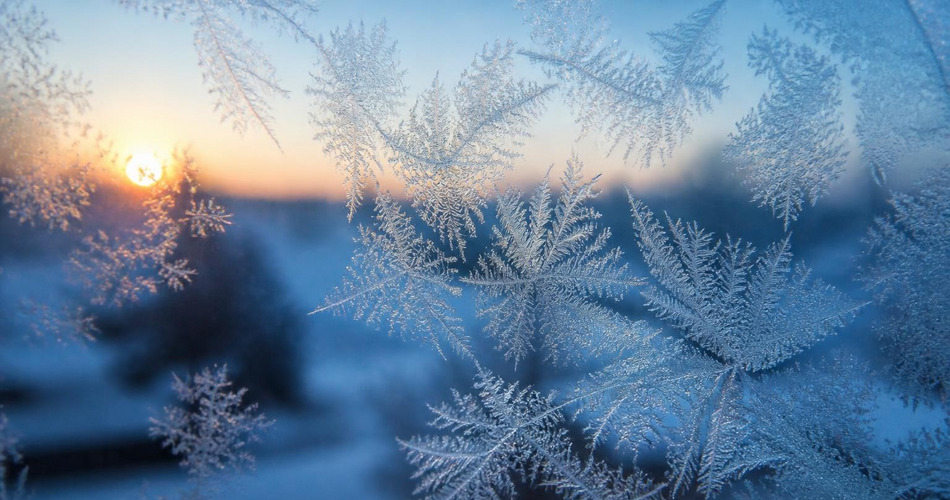
Positive associations: Frost is often seen as a symbol of beauty and wonder. The intricate patterns of hoar frost on windows or leaves are admired for their delicate artistry. Its association with winter sports and holidays can evoke feelings of coziness and celebration. In agriculture, a light frost can concentrate sugars in certain crops like grapes for ice wine, enhancing flavor. Frost also represents clarity—the crisp, cold air and sharp outlines of a frosty morning suggest a clear mind and fresh perspective.
Negative meanings: On the other hand, frost is a harbinger of hardship and loss. A killing frost can destroy crops, leading to famine or economic distress. It symbolizes death and stagnation, as it freezes living things and halts growth. In literature and folklore, frost often represents emotional coldness, isolation, or the numbing effects of grief. Its ephemeral nature can also evoke melancholy, as beauty that vanishes so quickly reminds us of mortality.
History and Origins of the Symbolism
Humanity has observed frost since prehistoric times, and its symbolic meanings are rooted in the practical challenges of survival. Early agrarian societies recognized frost as a threat to harvests, leading to associations with danger and the need for preparation. In temperate climates, the first frost marked the end of the growing season and the beginning of winter’s scarcity, embedding frost as a symbol of transition and the cyclical nature of life.
Ancient mythologies often personified frost as a deity or spirit. In Norse mythology, the Jötnar (frost giants) were primordial beings of ice and cold, representing the raw, untamed forces of nature. The word “frost” itself comes from Old English forst, related to the verb “freeze,” and has been used metaphorically for centuries to describe emotional coldness or a lack of warmth. Over time, frost became a staple symbol in poetry and art for stillness, purity, and the passage of time.
Symbolism in Different Cultures
In Norse mythology, frost is central to the creation myth. The primeval frost giant Ymir emerged from the melting ice of Niflheim, and his body became the earth. Frost giants (Jötnar) are recurring antagonists, embodying chaos and the harshness of winter. This gives frost a primordial and often hostile symbolism in Norse culture.
In Japanese culture, frost is admired for its transient beauty, fitting the aesthetic of mono no aware—the bittersweet awareness of impermanence. Frost-covered landscapes appear in haiku and woodblock prints as symbols of fleeting moments and the quiet stillness of winter. The word shimo (frost) is used in poetry to evoke loneliness and the passage of time.
In Native American traditions, frost is often associated with winter spirits or the North Wind. Some tribes, like the Ojibwe, tell stories of a frost spirit that tests the endurance of animals and humans. Frost here symbolizes resilience and the need to prepare for hardship. In European folklore, Jack Frost is a mischievous figure who paints frost patterns on windows, representing the playful yet cold nature of winter.
Spiritual Meaning
In spiritual contexts, frost often represents a period of dormancy and introspection. Just as nature rests under a layer of frost, individuals may experience a time of stillness before personal growth. Frost can symbolize the need to preserve one’s energy and wait for the right moment to act. Some traditions view frost as a purifying force—its coldness can kill off old habits or negative influences, making way for renewal.
In Christian symbolism, frost is sometimes linked to purity and the divine, as in the “frost of heaven” that nourishes the soul. However, it can also represent spiritual coldness or a lack of faith. The dual nature of frost—both beautiful and destructive—mirrors the spiritual journey of facing trials to achieve growth.
In Myths and Folklore
Frost appears prominently in myths and folklore around the world. The most famous figure is Jack Frost, a personification of frosty weather in English and Germanic folklore. He is depicted as a sprite or elf who creates frost patterns on windows and leaves, often with a mischievous or benevolent character. Jack Frost embodies the creative and playful side of winter, but also its biting cold.
In Norse mythology, the frost giants (Jötnar) are central to the cosmic struggle between order and chaos. They represent the untamed forces of ice and cold, often opposing the gods. The name “Jötun” is related to “eat,” suggesting these giants consume or devour warmth and life. This gives frost a destructive and primordial symbolism.
In Slavic folklore, there is a figure called Father Frost (Ded Moroz), who brings winter and is sometimes a gift-giver. Unlike the harsh frost giants, Father Frost is a more ambivalent figure who rewards the kind and punishes the greedy. This reflects frost’s dual role as both a test and a provider.
Frequently Asked Questions
Q: What does frost symbolize in literature?
A: In literature, frost often symbolizes coldness, death, or emotional numbness. It can also represent purity, stillness, and the passage of time. For example, in Robert Frost’s poem “Stopping by Woods on a Snowy Evening,” the snowy scene evokes a similar stillness, though frost itself is not directly mentioned.
Q: Is frost a symbol of good luck?
A: In some cultures, the first frost of the year is seen as a sign of good fortune for the coming winter, as it may kill pests and preserve food. However, it is more commonly viewed as a neutral or ominous sign of change.
Q: What is the spiritual meaning of frost?
A: Spiritually, frost represents a period of dormancy, purification, and preparation for renewal. It encourages introspection and patience, reminding us that growth often follows a time of stillness.
Q: How is frost used in tattoos?
A: Frost is not a common tattoo motif, but it may appear in winter-themed designs alongside snowflakes, ice, or bare trees. It can symbolize resilience, clarity, or a connection to the cold.
Related Symbols
- Winter – the season of frost, symbolizing death and dormancy
- Ice – frozen water, representing rigidity and preservation
- Snow – a blanket of frozen precipitation, symbolizing purity and silence
- Cold – the sensation of low temperature, often linked to emotional distance
- Jack Frost – a folklore personification of frosty weather