Briefly
The finch, a small and often brightly coloured songbird, is widely recognised as a symbol of joy, simplicity, and the power of small things. Its cheerful, energetic songs and lively behaviour have made it an emblem of happiness and optimism in many cultures. The finch reminds us to appreciate life’s simple pleasures and to approach each day with a light, enthusiastic heart. Despite its tiny size, the finch carries a powerful message about finding strength in positivity and community.
What Does Finch Symbolize?
The finch symbolizes joy, simplicity, energy, and a positive outlook on life. Its lively, constant singing associates it with communication, self-expression, and the celebration of everyday moments. In many traditions, the finch also represents good luck, prosperity, and the importance of community, as these birds often gather in flocks. The finch’s colourful plumage adds meanings of vibrancy, creativity, and individuality. Because of its small stature, the finch can also symbolize the hidden power of the seemingly insignificant – a reminder that great energy and impact can come from small sources.
Positive and Negative Meanings
Positive associations: The finch is overwhelmingly seen as a positive symbol. Its cheerful song brings to mind happiness, optimism, and a carefree spirit. In many cultures, encountering a finch is considered an omen of good luck, abundance, and pleasant news. The finch’s ability to thrive in diverse environments (from woods to urban gardens) also symbolizes adaptability, resilience, and the ability to find joy in any circumstance. Its strong social nature represents community, cooperation, and the strength found in togetherness.
Negative meanings: While rare, negative interpretations of the finch can include restlessness, lack of focus, or a tendency toward superficiality. The bird’s constant movement and singing may sometimes be seen as a sign of nervous energy or an inability to be still and reflect. In some folk traditions, a finch that flies into a house might be interpreted as a warning about gossip or over-communication. However, such meanings are minor compared to the finch’s overall positive symbolism.
History and Origins of Finch Symbolism
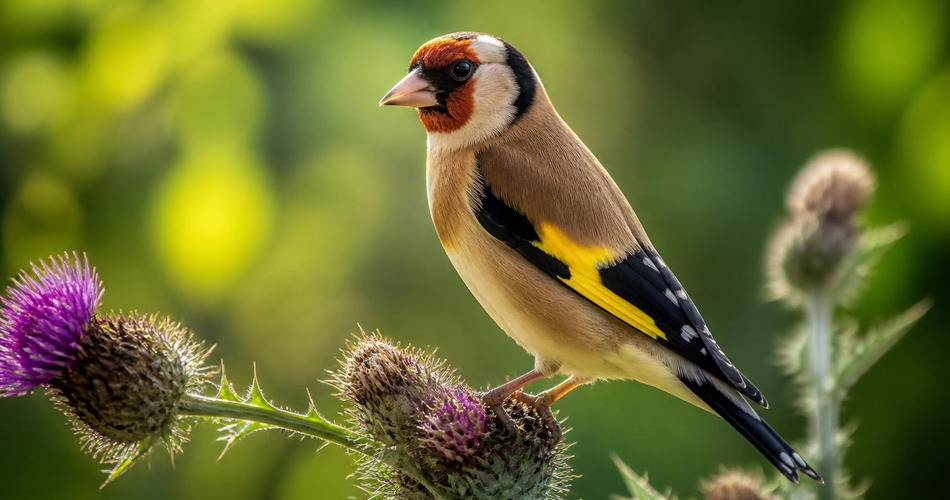
Humans have observed and admired finches for thousands of years. The term finch comes from the Old English finc, and the birds have been kept as pets for their pleasant songs since ancient times. In medieval Europe, finches were common in homes and aviaries, valued for their music and bright colours. This close association with daily life naturally led to symbolic meanings of cheerfulness and domestic happiness. The goldfinch, in particular, became a prominent symbol in Christian art during the Renaissance, representing the Passion of Christ because of its habit of eating thorns and thistles (which symbolised the crown of thorns). Over centuries, the finch’s symbolism has remained remarkably consistent across different cultures, always emphasising positivity, community, and the beauty of small things.
Symbolism in Different Cultures
Native American Symbolism
In many Native American traditions, the finch is a symbol of joy, freedom, and the power of a small voice. Its bright colours are seen as a celebration of life, and its songs are believed to carry messages of hope and happiness. Some tribes view the finch as a reminder to stay cheerful even in difficult times and to appreciate the simple gifts of nature.
Celtic Symbolism
In Celtic mythology, the finch (especially the goldfinch) is associated with the Otherworld and the realm of spirits. Its song was thought to have the power to charm and heal, and it was sometimes seen as a guide to hidden knowledge or poetic inspiration. The finch’s bright yellow and red markings connected it with the sun and with vitality.
Christian Symbolism
The goldfinch holds a particularly important place in Christian symbolism. Because it feeds on thorns and thistles, it became linked with Christ’s crown of thorns and His suffering. Paintings of the Madonna and Child often include a goldfinch, representing the soul’s longing for the divine and Christ’s future Passion. In this context, the finch symbolizes sacrifice, redemption, and the promise of resurrection.
Chinese Symbolism
In Chinese culture, finches (especially the red-billed finch) are associated with good fortune, happiness, and fidelity. They are sometimes used in traditional art and poetry to represent a joyful heart and a peaceful home. The finch’s red colour (as seen in the house finch) is particularly auspicious, symbolising fire, energy, and prosperity.
Spiritual Meaning of Finch
Spiritually, the finch is a messenger of joy and light. Encountering a finch can be a reminder to lift one’s spirits, to focus on the present moment, and to express oneself freely and honestly. The finch encourages a lighthearted approach to life’s challenges and invites you to connect with your inner child’s sense of wonder. Its song is often interpreted as a call to speak your truth with kindness and to share positivity with those around you. In shamanic traditions, the finch as a power animal teaches the value of community, playfulness, and the power of a cheerful disposition to overcome adversity.
Finch in Myths and Folklore
Finches appear in several myths and folk tales. In Greek mythology, a story tells of the goddess Aphrodite transforming a woman into a goldfinch, giving it a red spot on its face as a mark of beauty and passion. In European folklore, the finch was sometimes believed to carry the soul of a deceased person to heaven, and its song could foretell the weather or the arrival of a visitor. The goldfinch’s red face was also thought to come from its compassion for Christ on the cross, as it tried to remove a thorn from His crown and was stained with blood. This tale reinforces the finch’s role as a symbol of kindness and sacrifice.
Finch in Dreams
Dreaming of a finch often reflects feelings of joy, freedom, or a desire for greater simplicity in life. A finch in a dream can also indicate a need for more laughter, play, and lightness in your waking routine. Because finches are social birds, dreaming of a flock may highlight the importance of community and support. Alternatively, a finch that appears silent or trapped in a dream might suggest suppressed emotions or a longing to express yourself more freely.
Common Dream Scenarios
- A finch singing: This dream symbolises happiness, good news, and a period of emotional lightness. You may be entering a phase of creativity and positive self-expression.
- A finch flying freely: Represents a sense of liberation, personal growth, and the ability to rise above problems. It encourages you to pursue your goals with optimism.
- A finch flying into your house: In dream interpretation, this can signify an unexpected blessing, a new opportunity, or a joyful surprise that will affect your home life.
- A flock of finches: Reflects a strong social network, teamwork, and the joy of belonging. It may also indicate that you are surrounded by positive, supportive people.
- A trapped or injured finch: May point to feelings of restriction, lack of self-expression, or a situation that is dampening your natural enthusiasm. It urges you to free your spirit and speak your mind.
Finch in Superstitions and Omens
In many folk traditions, the finch is regarded as a lucky bird. Seeing a finch first thing in the morning is believed to bring a day of happiness and good fortune. A finch nesting near your home is considered a sign of domestic harmony and prosperity. In some European superstitions, if a finch flies into a room, it means a letter or good news is on its way. However, a finch tapping at a window was occasionally thought to be an omen of change or a message from a departed loved one. Overall, finches are almost universally viewed as positive omens.
Finch in Art and Literature
The finch has a notable presence in art and literature. The 17th-century Dutch painter Carel Fabritius created a famous still-life painting titled The Goldfinch (1654), which shows a chained goldfinch perched on a feeder. This painting is admired for its lifelike detail and emotional depth, and it inspired the Pulitzer Prize-winning novel The Goldfinch (2013) by Donna Tartt. In the novel, the painting becomes a symbol of beauty, loss, and the enduring power of art. The goldfinch also appears in numerous Renaissance paintings of the Madonna and Child (for example, Raphael’s Madonna of the Goldfinch), where it represents Christ’s future suffering and the soul’s longing for salvation. In poetry, the finch is often used as a symbol of joy and the arrival of spring, as in the works of William Wordsworth and John Keats, who celebrate the bird’s song and vibrant energy.
Finch Tattoo Meaning
A finch tattoo is a popular choice for those who wish to express joy, individuality, and a light-hearted spirit. The finch symbolises freedom, creativity, and the beauty of small things. Because finches are colourful, tattoo artists can create vibrant, eye-catching designs. A finch in flight often represents liberation and the pursuit of dreams, while a perched finch may symbolise contentment and appreciation of the present moment. Some choose the goldfinch specifically for its Christian associations with sacrifice and redemption. A finch tattoo can also be a memorial for a loved one who had a cheerful personality or a connection to these birds.
Meanings of Different Types, Colors, or Variations
Different species of finch carry additional symbolic nuances:
- Goldfinch: The most symbolically rich finch. Its red face and yellow wing bars connect it with passion, vitality, and the sun. In Christian art, it is a symbol of Christ’s Passion and the soul’s redemption.
- House Finch: Originally from western North America but now widespread. Its reddish plumage symbolises warmth, home, and domestic happiness. It is often seen as a sign of comfort and simple pleasures.
- American Goldfinch (Eastern Goldfinch): Bright yellow in summer, it is strongly associated with joy, optimism, and the energy of the sun. It is a symbol of renewal and the cheerful side of nature.
- Purple Finch: Despite its name, it has a raspberry-red colour that symbolises passion, creativity, and a love of life. It can also represent a bold, artistic spirit.
- Zebra Finch: Common as a pet, its energetic chirping and social nature symbolise communication, community, and the importance of partnership.
Frequently Asked Questions
Q: Is seeing a finch a good omen?
A: In most cultures, yes. A finch sighting is considered a sign of happiness, good news, and positive energy. Its cheerful song is seen as a blessing.
Q: What does a finch tattoo symbolize?
A: A finch tattoo commonly represents joy, freedom, individuality, and the beauty of life’s simple moments. It can also hold specific meanings depending on the species, such as the goldfinch’s connection to spirituality and sacrifice.
Q: What does it mean if a finch visits your garden?
A: A finch visiting your garden is often interpreted as a reminder to appreciate the present moment and to find happiness in small things. It can also symbolise that you are in a period of positive energy and creativity.
Q: Are finches mentioned in the Bible?
A: The specific word finch does not appear in the Bible, but small birds like sparrows are mentioned. However, the goldfinch became a major symbol in later Christian art and piety, representing Christ’s Passion.
Q: What is the spiritual meaning of a finch in Native American traditions?
A: In many Native American cultures, the finch is seen as a messenger of joy and a symbol of the power of a single voice. It encourages you to speak up with optimism and to celebrate life even in hard times.
Related Symbols
- Sparrow – shares themes of modesty, community, and resilience
- Canary – like the finch, a songbird symbolizing joy and warning
- Goldfinch – specifically associated with Christian symbolism and the Passion
- Cardinal – another red bird symbolizing vitality, passion, and spiritual messages
- Robin – a symbol of renewal, new beginnings, and cheerfulness
- Bluebird – represents happiness, hope, and the arrival of spring