Briefly
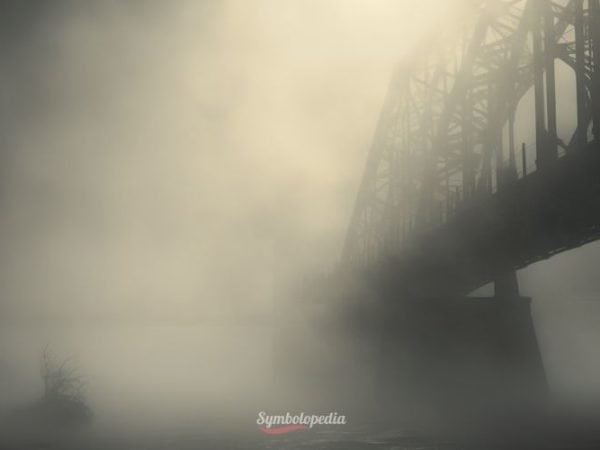
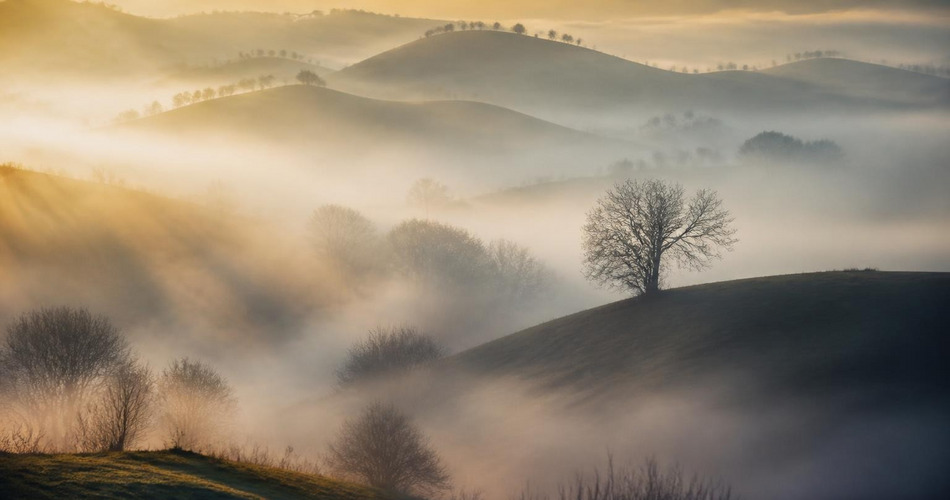
Mist is a natural phenomenon that appears as a thin, low-lying cloud obscuring the landscape. Its symbolic meaning is deeply tied to the unknown, the boundary between worlds, and moments of transition. Mist can represent mystery, ambiguity, and the hidden aspects of life, but also clarity lost and confusion. In many traditions, it is seen as a veil that separates the ordinary from the spiritual, making it a powerful symbol of both revelation and concealment.
What Does Mist Symbolize?
Mist primarily symbolizes the unknown and the liminal space between two states. Because it obscures vision, it represents uncertainty, secrets, and the inability to see clearly what lies ahead. At the same time, mist can soften the edges of reality, suggesting a dreamlike or otherworldly atmosphere. It is often a symbol of transition — between day and night, between life and death, between the conscious and the subconscious. In literature and folklore, mist frequently marks a threshold where ordinary rules no longer apply, and characters may encounter the supernatural or undergo profound change.
Positive and Negative Meanings
Positive associations: Mist can symbolize mystery, allure, and the promise of discovery. It creates an atmosphere of romanticism and softness, often used in art to evoke tranquility and introspection. In spiritual contexts, mist is seen as a medium that connects the earthly and the divine, offering a chance for insight or revelation. Mist also signifies the gentle transition between seasons or times of day, reminding us that change can be gradual and peaceful.
Negative meanings: On the downside, mist represents confusion, disorientation, and deception. It hides dangers, makes navigation difficult, and can cause accidents. In psychological terms, mist suggests a lack of clarity in one’s path or purpose, leading to anxiety and uncertainty. It is also associated with isolation, as a thick mist can separate people from each other and from familiar landmarks.
History and Origins of Mist Symbolism
Mist has been a part of human experience since ancient times, and its symbolic meanings are rooted in direct observation. Early peoples encountered mist as a natural phenomenon that could suddenly reduce visibility, making travel and hunting dangerous. This led to associations with the unpredictable and the unknown. In many ancient cultures, mist was considered a veil between the world of the living and the world of spirits or gods. For example, in Norse mythology, mist was the realm of Niflheim, a land of fog and ice that was one of the primeval worlds. Celtic folklore often spoke of mist as a magical shroud that could hide fairy realms or lead travelers astray. Over time, these primal impressions evolved into a rich symbolic language used in literature, art, and spiritual traditions worldwide.
Mist Symbolism in Different Cultures
In Celtic folklore, mist is the boundary between the mundane world and the Otherworld. Legends tell of mist rising to conceal fairy mounds or to enchant heroes who cross into magical lands. In Japanese culture, mist (kiri) is a frequent motif in ukiyo-e prints and poetry, symbolizing transience and the beauty of fleeting moments. The famous painting «Fuji in Clear Weather» by Hokusai shows mist partially obscuring the mountain, representing both its majesty and ephemeral nature. In Native American traditions, mist is sometimes seen as the breath of the earth or the spirits, carrying messages or serving as a reminder of the interconnectedness of all things. In European romanticism, mist became a symbol of the sublime — a force that both inspires awe and suggests the limits of human understanding.
Spiritual Meaning of Mist
Spiritually, mist is viewed as a symbol of the divine mystery. It represents the unseen presence of the sacred, often appearing as a sign of spiritual transition or heightened awareness. In some Christian traditions, mist is associated with the presence of the Holy Spirit or the cloud of unknowing, a concept in mystical theology describing the inability to fully grasp God through intellect alone. In pagan and neopagan paths, mist is seen as a thin place where the veil between worlds grows permeable, making it easier to communicate with ancestors or spirits. Meditation on mist can encourage acceptance of uncertainty and trust in the unfolding of life.
Mist in Myths and Folklore
Mist appears in countless myths as a magical or dangerous element. In Norse mythology, the primordial world of Niflheim was a region of mist and ice, from which the first beings emerged. Celtic myths describe the mist that surrounds the magical island of Avalon, a place of healing and enchantment. In Greek myth, the goddess Nephele was a cloud nymph who created mist to hide or protect others. Japanese folklore includes the yokai «Kiri no Rei» (spirit of mist), a ghostly figure that appears in fog to lead travelers astray. Will-o’-the-wisps — flickering lights seen in misty bogs — are staple figures in European folklore, often interpreted as lost souls or mischievous spirits luring people into danger.
Mist in Dreams
Dreaming of mist often points to a feeling of confusion or uncertainty in waking life. The mist may represent a situation that is unclear or a path that is hidden. Psychologically, mist in dreams can indicate repressed emotions, unresolved issues, or a need to slow down and seek clarity. If the dreamer is walking through mist, it may signify a journey into the unknown or a liminal phase in life. If the mist lifts, it suggests that insight or resolution is approaching.
Common Mist Dream Scenarios
- Walking through thick mist: You may be feeling lost or uncertain about your direction in life, groping for answers.
- Mist clearing suddenly: A moment of clarity or a revelation is near, resolving a long-standing confusion.
- Being unable to see someone in the mist: A relationship or connection is obscured by misunderstanding or secrecy.
- Mist surrounding a familiar place: Something familiar has become strange or uncertain, requiring a new perspective.
- Floating above the mist: You have gained perspective and are able to see beyond the confusion.
Mist in Superstitions and Omens
In many folk traditions, mist is considered an omen of change or a sign that the boundary between worlds is thin. For instance, in parts of Britain, a sudden mist on a clear day was thought to indicate the presence of fairies or spirits. In maritime communities, mist was often seen as a warning of danger, as it could disorient sailors and lead to shipwrecks. Some cultures view mist on a wedding day as a bad omen, symbolizing hidden obstacles or confusion in the marriage, while others see it as romantic and mysterious. In general, mist in superstition carries a dual nature: it can herald both beneficial and harmful events, depending on the context.
Mist in Art and Literature
Mist is a recurring motif in art and literature, used to create atmosphere, suggest depth, or symbolize the ineffable. In literature, Carl Sandburg’s poem «Fog» famously personifies mist as a cat that comes silently and then moves on. In Charles Dickens’s «Bleak House», fog pervades the opening pages to symbolize the confusion and corruption of the legal system. Stephen King’s novel «The Mist» uses a supernatural mist to trap characters and evoke primal fear. In painting, Claude Monet’s series of «Water Lilies» and his views of the Thames often depict mist to capture the play of light and the ephemeral quality of the scene. J.M.W. Turner’s seascapes frequently feature mist and fog to convey the sublime power of nature. In film, mist is used in horror and thriller genres to create suspense and uncertainty, such as in John Carpenter’s «The Fog».
Mist Tattoo Meaning
Mist tattoos are relatively rare but carry deep meaning for those who choose them. They often symbolize mystery, a love of the unknown, or a personal journey through confusion toward clarity. Mist can also represent a transitional period in the wearer’s life — a time of change that they have embraced. Because mist obscures the background, such tattoos might include silhouettes or subtle imagery, implying hidden stories or secrets. In some cases, mist tattoos are chosen to honor spiritual experiences, representing the thinning of the veil between worlds.
Meanings of Different Types of Mist
- Morning mist: Symbolizes new beginnings, freshness, and the potential of the day ahead. Often linked to hope and renewal.
- Evening mist: Associated with endings, reflection, and the approach of night. Can evoke melancholy or a sense of closure.
- Thick fog: Represents extreme confusion, danger, or a complete loss of direction. It heightens the negative connotations of obscurity.
- Sea mist: Connects to the vastness of the ocean, mystery of distant lands, and the boundary between land and water. Often appears in nautical superstitions.
- Mountain mist: Suggests elevation, spiritual insight, and the challenge of reaching higher understanding. In many cultures, mountain mist is considered sacred.
Frequently Asked Questions About Mist Symbolism
Q: What does mist symbolize in literature?
A: In literature, mist often symbolizes confusion, mystery, the unknown, or a liminal space where characters face transformation or revelation.
Q: Is mist a good or bad omen?
A: Mist can be both. Its omen depends on context: it may warn of hidden dangers or signal a thinning of the veil that allows spiritual insight. In many traditions, it is seen as a neutral sign of transition.
Q: What does it mean to dream of mist?
A: Dreaming of mist generally indicates uncertainty, unclear emotions, or a need to gain perspective. It can reflect a period of transition or a subconscious warning to proceed with caution.
Q: What is the spiritual meaning of mist?
A: Spiritually, mist represents the veil between worlds, divine mystery, and the acceptance of the unknown. It can signify a time of spiritual growth or a call to trust in the unseen.
Related Symbols
- Fog — denser, more oppressive form of mist; often symbolizes confusion and danger
- Cloud — higher, often associated with dreams, divinity, and the heavens
- Smoke — man-made, linked to disguise, purification, or transition
- Shadow — obscurity, the hidden self, and the unknown aspects of the psyche
- Twilight — transitional time between day and night, sharing the liminal quality of mist