Briefly
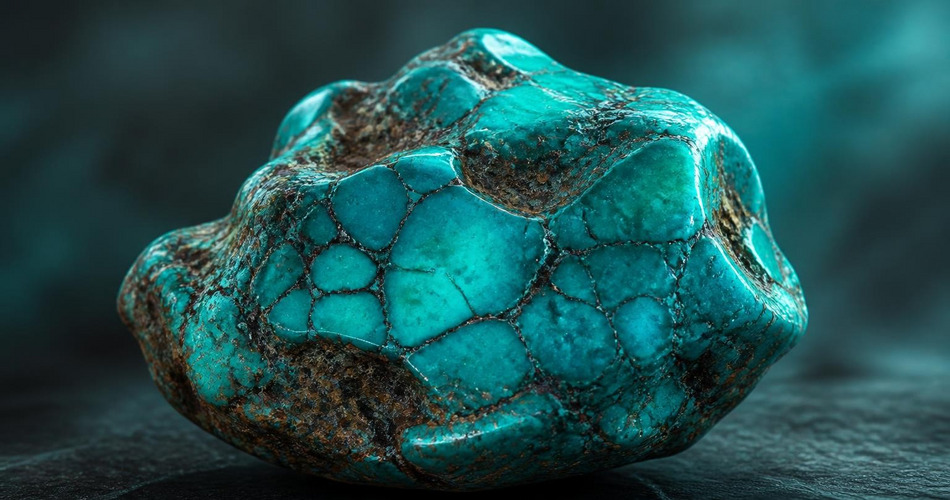
Turquoise is a blue-green gemstone that has symbolized protection, healing, and wisdom for thousands of years. It is one of the oldest known gemstones, used by ancient Egyptians, Persians, and Native Americans as an amulet against harm and a conduit of positive energy. Today, turquoise remains a popular stone for jewelry and spiritual practice, often associated with open communication, emotional balance, and good fortune. Its distinctive color and versatile symbolism make it a beloved symbol across cultures and eras.
What Does Turquoise Symbolize?
Turquoise is primarily a stone of protection and strength. Traditionally, warriors and travelers wore it to shield themselves from danger, accidents, and evil spirits. It is also a powerful symbol of healing, believed to purify the body and mind, and to alleviate symptoms of fatigue, anxiety, and even physical ailments. Many cultures see turquoise as a bridge between the physical and spiritual realms, enhancing intuition and connection to the divine.
Beyond these core meanings, turquoise symbolizes wisdom, calmness, and clear communication. It is often called the “master healer stone” for its ability to balance the throat chakra, encouraging honest expression and harmonious relationships. In many traditions, turquoise also represents friendship and loyalty; giving turquoise as a gift is said to cement an unbreakable bond between two people.
The color of turquoise — a blend of blue and green — carries its own symbolic weight. Blue evokes the sky and truth, while green connects to earth and regeneration. Together, they signify wholeness, unity, and the interconnectedness of all living things. Thus, turquoise is often seen as a stone of universal compassion and spiritual grounding.
Positive and Negative Meanings
Positive associations: Turquoise is celebrated for attracting prosperity, happiness, and good luck. It is believed to cleanse negative energy, protect the wearer from psychic attacks, and promote physical and emotional vitality. Its calming influence helps reduce stress and anxiety, fostering a sense of peace and clarity. In many cultures, turquoise is also a token of lasting love and fidelity, making it a popular gemstone for engagement rings and wedding anniversary gifts.
Negative meanings: In some folklore, turquoise is said to lose its color or fade when the wearer is in danger, ill, or dishonest. While this is often viewed as a protective warning, it also associates turquoise with envy and betrayal in certain traditions. For example, some Eastern European beliefs held that turquoise could be poisoned by a false friend, turning green or breaking. In modern interpretation, these traits are rarely negative by themselves but serve as reminders of the stone’s sensitivity to one’s surroundings and inner state.
History and Origins of Turquoise Symbolism
Turquoise has been mined and treasured for over 7,000 years. The oldest known artifacts come from ancient Egypt, where turquoise was mined in the Sinai Peninsula as early as the Fourth Dynasty. Egyptians set the stone in jewelry, amulets, and burial masks, including the famous mask of Tutankhamun. They believed turquoise provided protection in the afterlife and represented the goddess Hathor, who was known as the “Lady of Turquoise.”
Around the same time, turquoise was also used in Persia (modern Iran) as a symbol of victory and good fortune. Persian merchants traveled the Silk Road, trading turquoise across Asia and Europe. In the Islamic world, turquoise was carved into rings and prayer beads, believed to bring divine protection and ward off the “evil eye.” The name “turquoise” itself derives from the French “pierre turquoise,” meaning “Turkish stone,” because the gem first reached Europe through Turkish traders.
In the Americas, turquoise was sacred to indigenous peoples for centuries before European contact. The Aztecs, Incas, and Native American tribes such as the Hopi and Zuni used turquoise in jewelry, masks, and ceremonial objects. They associated it with the sky and water, believing it to be a fallen piece of heaven that could connect them to the spirits. Turquoise was also used in trade, and its symbolism became intertwined with ideas of status, magical power, and tribal identity.
Turquoise Symbolism in Different Cultures
Native American cultures hold a particularly deep connection to turquoise. Among the Navajo, turquoise is a living stone that changes color to reflect the wearer’s health and spiritual well-being. It is often placed on weapons, jewelry, and saddle ornaments to ensure success in hunting and battle. The Hopi use turquoise in ceremonial dance regalia to bring rain and fertility to the land.
In Tibetan culture, turquoise is one of the “Five Precious Stones” and is considered a symbol of divine energy. It is often combined with coral, amber, and other gemstones in necklaces worn by both men and women. Tibetan Buddhists believe turquoise aids meditation and protects against worldly distractions, helping the wearer achieve enlightenment.
In ancient Persia, turquoise was a symbol of wealth and prestige. It was used to decorate swords, horse harnesses, and even royal portraits. The Persian poet Nizami described turquoise as “the stone of victory” and it was often presented to warriors before battle. In Turkey, turquoise has long been a protective charm against the “nazar boncuk” (evil eye), and it is still widely worn as jewelry today.
In many Asian cultures, turquoise is linked to the sky and water, representing clarity and divine presence. The Chinese have used turquoise for over 3,000 years, often carving it into figurines and amulets to attract good fortune. In Japanese, turquoise is called “tetsu no iro” (color of iron) and is associated with strength and endurance.
Spiritual Meaning of Turquoise
In spiritual and metaphysical traditions, turquoise is considered a stone of purification and alignment. It is most closely associated with the throat chakra, which governs communication and self-expression. By clearing blockages in this chakra, turquoise helps individuals speak their truth with confidence and compassion. It also activates the heart chakra, fostering empathy, forgiveness, and unconditional love.
Turquoise is said to bridge the physical and celestial realms, making it an ideal tool for meditation and prayer. Its calming energy encourages a state of deep relaxation, which can lead to insightful visions and spiritual downloads. Some practitioners use turquoise during energy healing to cleanse the aura and release negative thought patterns. It is also used in crystal grids to amplify intentions and anchor the practitioner to the earth.
The stone’s duality of blue and green symbolizes the union of heaven and earth, the conscious and subconscious. In this sense, turquoise represents balance and harmony, helping individuals integrate their spiritual insights into everyday life. It is often recommended for those seeking a deeper understanding of their life purpose or struggling with inner turmoil.
Turquoise in Myths and Folklore
Many myths surround turquoise, reflecting its ancient significance. In Persian legend, turquoise was created from the bones of those who died from love. Another story tells that turquoise formed from the tears of the sky god, which fell to earth as stone. In Islamic tradition, turquoise is believed to bring good fortune to the wearer and is considered a symbol of holiness.
Among the Native American Apache, there is a tale of a warrior who offered a turquoise to the sun god to end a drought. The sun god accepted the offering and brought rain, filling the land with life. Similarly, the Pueblo peoples regard turquoise as the “fallen sky stone” that connects them to the spirits of their ancestors. They often place turquoise in burial offerings to guide the deceased on their journey.
In ancient Egypt, turquoise was linked to the goddess Hathor, who, according to myth, lived in the turquoise mines of Sinai. The stone was considered the “goddess’s gift” and was used in amulets to protect against snakes and scorpions. Even today, many believe that turquoise can neutralize poisons and venom.
In medieval Europe, turquoise was thought to be a protective stone for riders, preventing falls and injuries. It was commonly worn by knights and crusaders, who believed the stone would remain intact as long as the wearer was honest and virtuous. If the stone faded, it was seen as a sign of incoming betrayal or disrespect.
Turquoise in Dreams
Dreaming of turquoise is generally considered a positive omen. In dream interpretation, turquoise often represents emotional healing and spiritual growth. If you dream of wearing turquoise jewelry, it may indicate that you are becoming more confident and open in your communication. It could also suggest that you are about to receive protection or guidance from a higher power.
When turquoise appears in a dream, it often signals a period of purification and renewal. It may be a reminder to release old negative patterns and embrace a more balanced view of life. The stone’s blue-green hue in a dream can symbolize a harmonious blend of intuition and logic, encouraging you to trust your inner wisdom.
For some, dreaming of turquoise is a call to express themselves authentically. It might be pointing to a situation where you need to speak up or share your ideas. Conversely, if the turquoise in your dream is dull or cracked, it could warn of a lapse in judgment or a need to reconnect with your spiritual path.
Common Turquoise Dream Scenarios
- Wearing turquoise jewelry: A sign of self-confidence, protection, and upcoming good luck.
- Finding turquoise: An indication of discovering hidden talents, unexpected opportunities, or inner strength.
- Receiving turquoise as a gift: Symbolizes a strengthening friendship, loyalty, or a message of love from the giver.
- Turquoise changing color: A warning or call to pay attention to your health or emotions.
- Turquoise embedded in the ground: Represents a need to ground yourself and connect more deeply with the earth.
Turquoise in Superstitions and Omens
Turquoise has a long history as a superstitious talisman. In many cultures, it is believed to bring good fortune and ward off evil spirits, particularly the “evil eye.” People wear turquoise necklaces, bracelets, or rings to protect themselves from curses, jealousy, and ill-intentioned glances. The stone is often placed above doors or in cars to ensure safe travel.
One of the most common superstitions is that turquoise changes color in response to the wearer’s mood or health. A bright blue stone indicates physical and emotional well-being, while a pale or greenish stone suggests the opposite. This belief is so widespread that turquoise is sometimes called a “lucky stone” or “doctor stone.” In some regions, it is said that turquoise will break if the wearer is about to be betrayed.
Turquoise is also associated with wealth and abundance. In parts of Asia, it is placed in cash registers or in the foundation of new homes to attract prosperity. It is believed to bring fortune to merchants and ensure successful deals. Additionally, giving turquoise to a loved one is thought to protect their fidelity and strengthen the relationship.
Turquoise Tattoo Meaning
Getting a turquoise tattoo is more than just an aesthetic choice — it is a personal symbol of protection, healing, and self-expression. The color turquoise itself carries this meaning, and it is often used in tattoos to represent peace, calmness, and spiritual depth. Many people choose turquoise elements in ink to honor their connection to nature, the sky, or the sea.
A turquoise tattoo can also signify a personal transformation or a journey of overcoming adversity. Those who have recovered from illness or emotional trauma might choose turquoise as a reminder of their strength and resilience. It symbolizes the power of renewal and the hope that comes from healing.
Designs often incorporate traditional symbols such as feathers, dreamcatchers, flowers, or geometric shapes, which enhance the protective and spiritual meaning. Turquoise is also a popular color for tattoos of the flower of life, lotus, or mandalas, representing eternal wisdom and harmony.
Meanings of Different Turquoise Colors and Variations
- Sky blue turquoise: The rarest and most prized variety, symbolizing clarity, truth, and celestial connection.
- Green turquoise: Often contains more iron, representing growth, fertility, and grounding energy.
- Turquoise with black matrix: The black web lines indicate stability, courage, and the balance of light and dark.
- Stabilized turquoise: Often treated with resin; still carries the same symbolism but may feel less “alive” in metaphysical practices.
- Turquoise in silver setting: Combines the protective energy of silver with turquoise, amplifying its shielding properties.
Frequently Asked Questions
Q: What does turquoise symbolize?
A: Turquoise symbolizes protection, healing, wisdom, courage, and spiritual grounding. It is also associated with friendship and good fortune.
Q: Is turquoise a birthstone?
A: Yes, turquoise is one of the birthstones for December, alongside tanzanite and zircon.
Q: How should turquoise be worn for maximum benefit?
A: Turquoise is commonly worn as jewelry near the throat (necklace) or heart (pendant) to align those chakras. It can also be carried as a pocket stone or worn as a bracelet.
Q: Can turquoise change color?
A: Natural turquoise may change color due to exposure to sunlight, oils, or chemicals. This color change is often interpreted in folklore as a warning sign.
Q: How do you cleanse turquoise?
A: Cleanse turquoise gently with lukewarm water and a soft cloth; avoid harsh chemicals or ultrasonic cleaners. You can also recharge it by moonlight or burying it in the earth briefly.
Related Symbols
- Lapis Lazuli — another ancient blue stone of wisdom and royalty.
- Sapphire — a blue gemstone associated with truth and protection.
- Malachite — a green stone of healing and transformation.
- Evil Eye — a protective symbol that turquoise is often used to reinforce.
- Throat Chakra — the energy center turquoise is most closely linked to.