Briefly
Rice is far more than a staple food; it is one of the most powerful symbols of life, abundance, and fertility in human culture. For thousands of years, civilizations across Asia and beyond have treated rice as a sacred gift that sustains families, connects communities, and marks important life events. Its tiny, white grains carry meanings of purity, prosperity, good luck, and renewal. From wedding showers to religious offerings, rice remains a universal emblem of hope for a full and fortunate life.
What Does Rice Symbolize?
At its core, rice symbolizes sustenance and survival. Because so many people depend on it as their daily food, rice has come to stand for the very foundation of life. In many languages, the word for rice is synonymous with food itself — in Thai, the phrase “eat rice” simply means “eat a meal,” and in Chinese, the word “fan” can mean both “rice” and “food.”
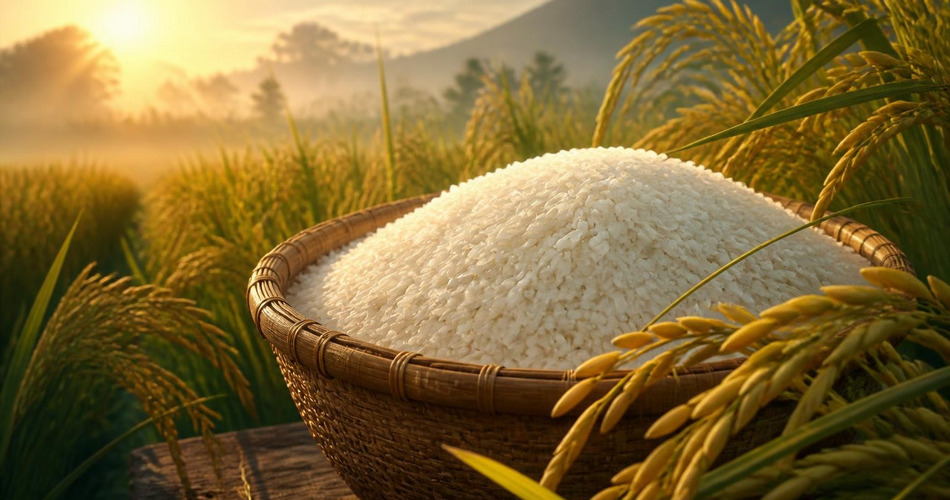
Beyond basic survival, rice represents abundance and wealth. A full rice bowl is a classic image of having enough, while overflowing granaries signify prosperity and good fortune. In Asian art and folklore, rice fields are often shown as golden seas of plenty, connecting the crop to ideas of harvest, generosity, and communal wellbeing.
Rice also carries strong meanings of fertility and new beginnings. Its seemingly endless production of grains from a single seed makes it a natural metaphor for multiplication, growth, and the continuity of family lines. This is why rice appears so often in weddings across many cultures, including the familiar custom of throwing rice at newlyweds to wish them many children and a prosperous household.
Positive and Negative Meanings of Rice
Positive associations: Rice is universally connected with life-giving energy, abundance, purity, and luck. In Hinduism and Buddhism, rice is used in sacred offerings and rituals to bring blessings, cleanse negative energy, and attract prosperity. White rice, in particular, is seen as a symbol of purity and simplicity, while a full bowl of rice is a sign of household wealth and security. The phrase “rice bowl” is still used to mean one’s livelihood or source of income.
Negative meanings: Rice also carries a few negative associations, mostly linked to scarcity and dependency. In cultures where rice is the main food, running out of rice symbolizes poverty, empty stomachs, and impending hardship. The “rice bowl” can also be a symbol of vulnerability: losing it means losing your means of survival. Additionally, in some folklore traditions, sticky or glutinous rice is linked to being overly attached or clingy, representing emotional neediness.
History and Origins of Rice Symbolism
Rice was first domesticated around 8,000 to 10,000 years ago in the Yangtze River valley of China and the Ganges plains of India. From those earliest days, rice was not just food but a sacred crop tied to the rhythms of nature, the seasons, and divine favor. Ancient Chinese texts from as early as 2800 BCE mention rice ceremonies, and Chinese emperors personally performed the first ploughing of the season to ensure a good harvest.
As rice cultivation spread to Japan, Korea, Southeast Asia, and the Middle East, its symbolic value traveled with it. In Japan, rice became central to Shinto rituals, and the emperor was traditionally seen as the chief priest of rice, responsible for the nation’s prosperity through his ritual planting and harvesting. In India, rice became an essential part of Hindu temple offerings, marriage ceremonies, and festivals like Pongal, where newly harvested rice is cooked and offered to the sun god.
The importance of rice in daily life naturally shaped language and social customs. In many Asian societies, saying someone’s “rice bowl is broken” means they have lost their job or livelihood. In China, the word “mi” is used in phrases wishing for abundance, while in Japan the word “gohan” means both cooked rice and a meal in general. This deep historical layer is why rice symbolism feels so rooted and authentic across many traditions.
Rice Symbolism in Different Cultures
In China, rice is a symbol of life, wealth, and moral purity. A bowl of rice is a comfort food and a cultural anchor. White rice is often served at New Year and birthdays to symbolize long life and good fortune. The phrase “clever woman cannot cook without rice” means a person cannot achieve anything without basic resources.
In Japan, rice is sacred. It is the main offering to the kami (spirits) in Shinto shrines, and rice paddies are seen as blessed places. The national dish on New Year’s morning is mochi, a pounded sticky rice cake, which symbolizes renewal and strength. The rice deity Inari, often shown with fox messengers, still has thousands of shrines across Japan where farmers and business owners pray for abundant harvests and wealth.
In India, rice is a powerful ritual object. It is thrown into the sacred fire during Hindu weddings to ensure fertility and prosperity. In South India, rice is used to draw kolam patterns in front of homes to welcome guests and bring good luck. Rice is also a symbol of compassion: feeding rice to the hungry is considered one of the highest forms of charity.
In Southeast Asia, especially in Thailand, Vietnam, and Indonesia, rice is the very identity of the community. Rice farming is deeply connected to the spirit world, and many rituals ask the “rice mother” — a local spirit believed to live in the fields — for protection and good yields. In Bali, the goddess Dewi Sri is worshipped as the mother of rice and a protector of the harvest.
In the West, rice is most visibly a symbol of wedding blessings and good luck. The custom of throwing rice at newlyweds dates back to ancient Rome, where grain was tossed to symbolize fertility and prosperity, and many Western couples still continue this playful and hopeful tradition today.
Spiritual Meaning of Rice
Spiritually, rice is seen as a gift from the divine, a manifestation of the earth’s generosity, and a reminder of the humble cycle of planting, growing, harvesting, and sharing. Its white color corresponds to spiritual purity and an untroubled heart, which is why rice is used in so many purification rituals across Asia.
In Buddhist practice, rice is offered to monks and placed on altars as a way of cultivating generosity and letting go of attachments. The simple act of offering a handful of rice is considered a deep spiritual gesture because it makes the giver aware of interdependence: our lives depend on the labor of farmers, the sun, the rain, and the earth.
In Hindu rituals, rice represents fertility, prosperity, and divine blessing. The tilak mark made with rice paste on the forehead is a sacred sign of purity. Uncooked rice is also scattered around sacred spaces to absorb negative energies and invite auspiciousness. In many traditions, a bowl of rice placed in a new home is thought to attract the blessing of the household gods and ensure the family never goes hungry.
Rice in Myths and Folklore
Rice appears at the very center of many creation myths and legends, particularly in Asia, where it is described as a gift from the gods to humanity. In Japan, the sun goddess Amaterasu is said to have sent her grandson to earth to grow rice, making the emperor her descendant and rice a divine protection for the nation.
In Indonesian and Javanese mythology, the story of Dewi Sri, the goddess of rice, tells how her body was transformed into rice and other useful plants after her death, giving the people food forever. In Thailand, a similar spirit called Mae Posop is invoked in farming ceremonies with songs and offerings, and harming the rice is considered an insult to her.
In Chinese folklore, an old story says that rice was once much larger, like a whole fruit, but a greedy woman refused to share it with a traveler. The gods punished humanity by shrinking the rice to tiny grains, but still left enough for everyone to survive. The tale is often repeated as a lesson in generosity and gratitude — two virtues that rice symbolism still teaches across cultures.
Rice in Dreams and Common Dream Scenarios
In traditional dream interpretation, rice generally appears as a favorable omen connected to prosperity, family happiness, and simple satisfactions. Like all dream symbols, the meaning of rice depends heavily on what was happening in the dream, but there are a few common patterns that appear in various cultural dream traditions.
- Seeing a full bowl or bag of rice in a dream — a sign of financial security, a good harvest, or an abundant period in life.
- Eating cooked rice — often represents contentment, nourishment, and the pleasure of a well-managed family or household.
- Planting or harvesting rice — suggests fruitful work, steady progress, and the long-term rewards of patience and effort.
- Spilling or wasting rice — a warning about careless spending, missed opportunities, or a fear of losing your livelihood.
- Buying rice — can indicate taking sensible steps to secure your future, such as saving money or building up reserves.
- Sticky or glutinous rice — may reflect family bonds, closeness, or sometimes a relationship that feels overly clinging.
Rice in Superstitions and Omens
Rice has a long life in folk superstition, most famously in the Western wedding custom of throwing rice after the ceremony. It is meant to shower the couple with fertility, wealth, and good luck. A popular myth claims the thrown rice kills birds who eat it, but this is false — birds can digest raw rice safely and the custom remains a joyful, harmless tradition.
In many Asian homes, it is considered deeply unlucky to waste rice. Children are scolded for leaving grains in their bowl, and saying a negative word about rice is sometimes believed to upset the rice spirit and spoil the harvest. In Japan, it was traditionally believed that if you wasted rice, you would go blind in the afterlife or face the anger of the rice kami.
Another common omen involves rice at the threshold. In parts of India and Southeast Asia, a handful of rice scattered at the entrance of a new house is said to bring prosperity, while dropping rice by accident is often brushed aside as an invitation for guests to come. Rice grains are also used in divination: counting raw grains while asking a question is said to produce a yes or no answer based on whether the total number is even or odd.
Meanings of Different Types of Rice
- White rice — the most classic symbol of purity, simplicity, and everyday nourishment. It stands for calm, uncluttered life and honest labor.
- Brown rice — represents health, natural living, and wholeness. Its retained bran and germ make it a symbol of unprocessed honesty and physical vitality.
- Glutinous (sticky) rice — tied to togetherness and family unity in Southeast Asia. In Laos and Thailand, sticky rice is traditionally eaten from a shared basket, reinforcing bonds between people.
- Jasmine rice — with its fragrant aroma, it symbolizes hospitality, welcoming, and the comfort of a prepared meal shared with guests.
- Basmati rice — often used in Indian cooking and religious ceremonies; its long, slender grains represent elegance, purity, and joy. In Hindi, “basmati” means “perfumed one.”
- Red rice — sometimes associated with luck and protection because of its color, especially in parts of China where red is a sacred hue.
Frequently Asked Questions
Q: What does rice symbolize?
A: Rice symbolizes life, abundance, fertility, purity, and prosperity. It is seen as a gift from the divine in many cultures and is used in rituals to bring good luck and security.
Q: Why do people throw rice at weddings?
A: Throwing rice at weddings is an ancient custom intended to wish the newlyweds fertility, wealth, and many children. The grains also symbolize a shower of prosperity for their new life together.
Q: Is rice mentioned in religious texts?
A: Rice is central to many religious traditions, especially Hinduism and Buddhism, where it is used in offerings, purity rituals, and festivals. It appears in sacred stories and is considered a pure substance for worship.
Q: What does it mean to dream about rice?
A: Dreaming about rice is usually considered a positive sign, linked to abundance, family happiness, and financial security, though spilling rice can be a warning about wastefulness or missed chances.
Q: Is rice a symbol of money?
A: In many cultures, rice is directly linked to wealth because it was historically a form of currency and the main measure of a household’s riches. A full rice bowl still means a secure livelihood.
Related Symbols
- Wheat — a similarly ancient grain carrying fertility, abundance, and life cycles.
- Bread — a staple food symbolizing community, labor, and the transformation of grain into life.
- Corn (Maize) — an indigenous American symbol of harvest, life, and human origins.
- Water — the element that gives rice life and itself represents fertility and renewal.
- Golden color — the radiant hue of ripe rice fields, symbolizing wealth, warmth, and the harvest sun.
- Lotus flower — like rice, grows from muddy water, yet blooms pure and bright; both represent spiritual purity in Asian symbolism.