Briefly
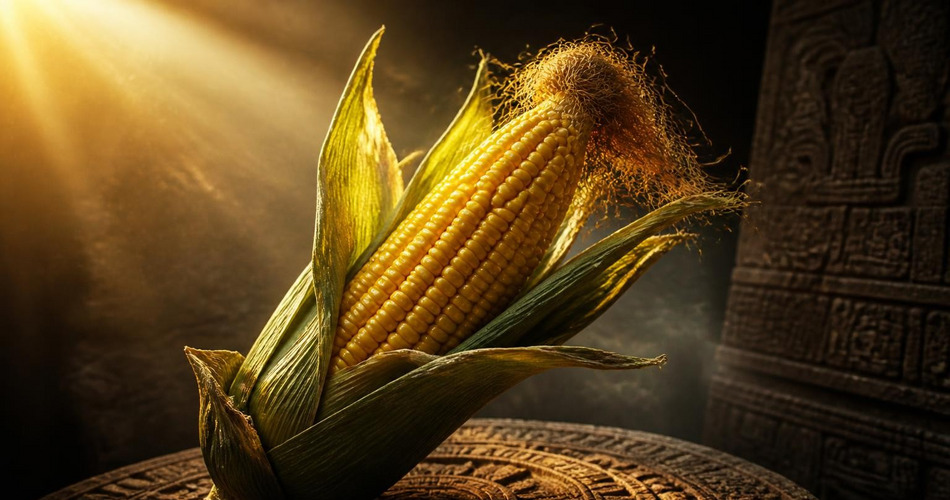
Corn, or maize, is one of the world’s most important food crops and a powerful symbol of life, abundance, and renewal. For thousands of years, Indigenous peoples of the Americas cultivated corn and wove it into their creation stories, ceremonies, and daily life. The grain represents not only physical sustenance but also the cycles of nature, the connection between humans and the divine, and the promise of new beginnings. Its golden color and plentiful kernels make it a universal emblem of harvest and prosperity.
History and Origins of Corn Symbolism
Corn was domesticated in Mesoamerica around 9,000 years ago from a wild grass called teosinte. From its origins in present-day Mexico, maize spread throughout the Americas and became a staple crop for civilizations such as the Maya, Aztec, and Inca. These cultures regarded corn as a sacred gift from the gods, and it played a central role in their religious rituals and calendars. The Maya believed that the gods created humans from maize dough, a story recorded in the Popol Vuh. The Aztec god Centeotl personified the maize plant and was honored with festivals at planting and harvest times.
Spiritual Meaning of Corn
In many Indigenous traditions, corn is a sacred plant that embodies the life-giving power of the earth. It is associated with fertility, abundance, and gratitude for the harvest. The figure of the Corn Mother, found in the stories of several Native American peoples, represents the nurturing spirit of the crop and the bond between humans and nature. Corn also carries a deeper spiritual lesson: the kernel must fall into the ground and die before it can sprout into new life, making it a symbol of death and rebirth, sacrifice and renewal.
Corn in Myths and Folklore
Corn appears in the origin stories of many Indigenous American peoples. In the Popol Vuh, the Maya tell of the Hero Twins and the creation of humans from maize. The Aztecs associated corn with the god Centeotl, who represented the maize plant and was honored during harvest festivals. Among the Iroquois and other Eastern Woodlands tribes, the Three Sisters — corn, beans, and squash — were seen as three inseparable companions given by the Great Spirit. In Cherokee tradition, the first corn grew from the body of Selu, the Corn Mother, after her sons discovered her secret. These stories show corn as a gift from the divine and a symbol of life, death, and rebirth.
Meanings of Different Types and Colors of Corn
Corn comes in many colors, and each has acquired its own symbolic associations, especially among the Pueblo and Hopi peoples of the American Southwest.
- Yellow corn — the most common type, associated with the sun, warmth, and happiness.
- White corn — represents purity, peace, and the moon in some traditions.
- Blue corn — considered sacred by the Hopi and other Pueblo tribes; symbolizes the sky, water, and the home.
- Red corn — linked to the earth, blood, and life force.
- Black corn — associated with the night, the underworld, and transformation.
These color associations are not universal, but they reflect the deep cultural importance of corn as a plant that sustains both body and spirit.
Corn in Art, Literature, and Modern Culture
Corn has also left its mark on art and literature. The cornucopia, or horn of plenty, is often filled with corn and other harvest produce, symbolizing abundance. In American culture, corn is central to Thanksgiving imagery and harvest festivals. The Maya Maize God is often depicted with a headdress of corn, representing the cycle of planting and harvest. Cornfields appear in literature and film as settings of mystery and suspense, from children’s stories to horror movies, giving the plant a dual character as both a source of life and a place of hidden danger.
Related Symbols of Corn
Corn is closely related to other symbols of harvest and abundance, such as wheat, barley, and rice. The cornucopia, the harvest moon, and the scythe are all connected to the same cycle of planting and reaping. In many cultures, bread made from grain is a symbol of life and community, echoing the role of corn as a staple food.