Briefly
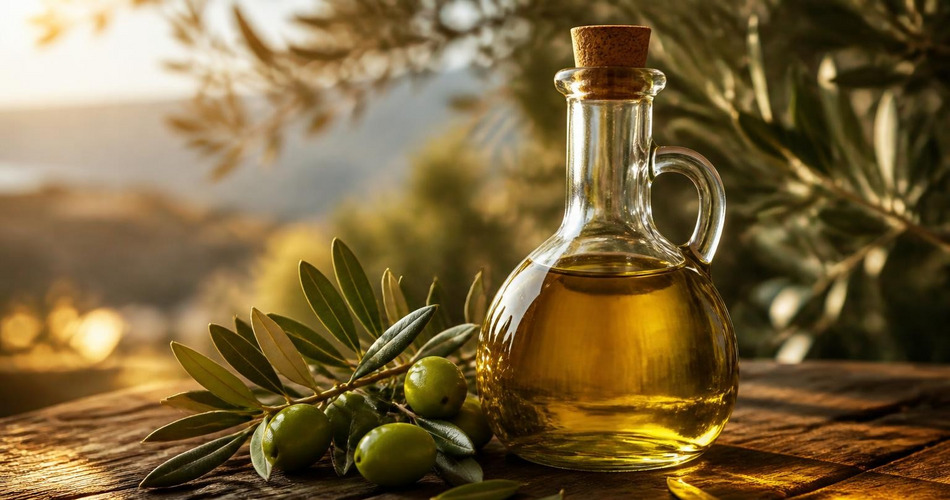
Olive oil is one of the most ancient and versatile symbols in human civilization, representing far more than a culinary staple. Across millennia and cultures, it has been linked to divinity, peace, purification, and prosperity. The oil pressed from the olive fruit carries connotations of light, healing, and sacredness, often used in religious ceremonies and as a symbol of blessing. Its enduring association with the Mediterranean world and its essential role in daily life have made it a potent emblem of nourishment and resilience.
What Does Olive Oil Symbolize?
Olive oil primarily symbolizes peace, purity, and abundance. In ancient times, an olive branch signified peace, and the oil from its fruit extended that meaning. It represents light and wisdom, as olive oil fueled lamps for centuries, providing illumination in darkness. The oil also stands for fertility and prosperity, given its role as a valuable trade good and a source of sustenance. Additionally, olive oil is a symbol of healing and reconciliation, often used in sacred anointing rituals to consecrate individuals or objects.
Positive and Negative Meanings
Positive associations: Olive oil is overwhelmingly positive in symbolism, embodying purity, clarity, and divine favor. It signifies renewal, as the olive tree can regrow even after being cut down. It also represents strength, hospitality, and health, being a staple of the Mediterranean diet known for its beneficial properties. In many cultures, offering olive oil is a gesture of respect and goodwill.
Negative meanings: Negative connotations of olive oil are rare but may include associations with excess or waste, as large quantities were sometimes used in lavish rituals. In some contexts, it can symbolize hypocrisy or false piety, particularly if used insincerely in religious displays. However, such interpretations are not widespread and are largely overshadowed by its positive symbolism.
History and Origins of Olive Oil Symbolism
The symbolism of olive oil dates back to antiquity in the Mediterranean region, where the olive tree was domesticated around 6000 BCE. The Minoans, Egyptians, Greeks, and Romans all valued olive oil not just as food but as a sacred substance used in lamps, medicines, and religious ceremonies. In ancient Greece, olive oil was central to the Olympic games, with winners crowned with olive wreaths and rubbed with the oil. The goddess Athena was believed to have given the olive tree to Athens, cementing its association with wisdom and civilization. The biblical story of Noah and the dove returning with an olive branch reinforced the oil’s link to peace and hope.
Olive Oil Symbolism in Different Cultures
In Judaism, olive oil is crucial: it was used to light the menorah in the Temple and is still used for Hanukkah, symbolizing the miracle of a day’s oil lasting eight days. It also represents holiness and purity in anointing rituals. In Christianity, olive oil is a symbol of the Holy Spirit and consecration, used in baptism, confirmation, and the anointing of the sick. The Mount of Olives holds profound significance in the New Testament. In Islam, olive oil is described as blessed in the Quran, and it is used in traditional medicine and cuisine, symbolizing nourishment and divine provision. In Mediterranean folk traditions, olive oil is a protective agent against evil spirits and used in blessings for homes and boats. In modern times, it continues to signify peace, as seen in the olive branch emblem on United Nations flags.
Spiritual Meaning of Olive Oil
Spiritually, olive oil represents divine light, purification, and consecration. Its use in anointing oil across multiple faiths signifies setting apart a person or place for sacred purposes. The oil’s clarity and ability to burn steadily are metaphors for spiritual illumination and the presence of the divine. In meditation and prayer, olive oil is sometimes used to anoint candles or oneself, symbolizing a connection to higher realms and inner peace. It also embodies the concept of abundance, suggesting that spiritual blessings flow freely.
Olive Oil in Myths and Folklore
In Greek mythology, the olive tree was a gift from Athena, and it became a symbol of Athens. The myth of the original olive tree on the Acropolis tied the city to the goddess. In Roman folklore, olive branches were carried by messengers to signal peace. In the Bible, the olive branch brought by a dove to Noah signified the end of the flood and God’s covenant of peace. In Jewish tradition, olive oil was used in the temple ceremony of the Menorah, and the oil itself was considered holy. In Christian tradition, the Garden of Gethsemane (meaning oil press) was an olive grove, where Jesus prayed before his crucifixion, linking olive oil to sacrifice and redemption.
Olive Oil in Dreams
Dreaming of olive oil generally indicates peace, healing, and spiritual blessing. It may suggest that a period of resolution or reconciliation is near. Seeing olive oil in a dream can also represent abundance and prosperity, often related to personal or family well-being. If the oil is spilled, it might indicate waste or missed opportunities.
Common Dream Scenarios
- Anointing with olive oil: Symbolizes a spiritual blessing or a new beginning, possibly related to a job, relationship, or personal transformation.
- Spilling olive oil: May represent a wasteful act or a fear of losing resources, calling for more mindful living.
- Drinking olive oil: Indicates a need for inner nourishment or healing, perhaps a desire for emotional or physical purification.
- Buying olive oil: Could denote an upcoming investment in health, peace, or spiritual growth.
Olive Oil in Superstitions and Omens
In many Mediterranean cultures, olive oil is used as a protective charm. For example, a small dish of olive oil placed in a home is believed to absorb negative energy or ward off the evil eye. In some traditions, if olive oil is poured on water and forms a certain shape, it is considered an omen of good fortune or an answer to a prayer. However, spilling olive oil was sometimes seen as a bad omen, presaging loss or conflict.
Olive Oil in Art and Literature
In Homer’s Odyssey, olive oil is used by Odysseus as a cover for his true identity and as a means to cleanse and prepare himself. In the Old Testament of the Bible, numerous references to olive oil highlight its role in temple rituals and as a symbol of God’s favor. In Renaissance painting, olive branches appear in artworks depicting the Annunciation and the baptism of Christ, symbolizing peace and divine presence. Pablo Neruda’s poem Ode to Olive Oil extols the oil’s golden richness and its connection to life and light.
Olive Oil Tattoo Meaning
An olive oil tattoo, often depicted as a bottle, drop, or branch, symbolizes peace, purity, and a connection to one’s heritage. It can represent Mediterranean roots or a personal commitment to health and spirituality. The drop of oil often signifies a small but essential source of light or blessing.
Meanings of Different Types of Olive Oil
- Extra virgin olive oil: Represents purity and high quality, often symbolizing the best one can offer.
- Virgin olive oil: Still high quality but less refined, symbolizing authenticity and natural state.
- Refined olive oil: Associated with transformation, modernity, and adaptation.
- Olive oil blend: May symbolize unity, diversity, and cooperation.
Frequently Asked Questions
Q: What does olive oil symbolize in spirituality?
A: Spiritually, olive oil symbolizes divine light, purification, and consecration, often used in anointing and prayer to connect with higher realms.
Q: Is olive oil a symbol of peace?
A: Yes, olive oil—especially through the olive branch—is a universal symbol of peace, reconciliation, and hope, dating back to ancient Greek and biblical traditions.
Q: What does olive oil mean in the Bible?
A: In the Bible, olive oil is a symbol of God’s blessing, used for anointing kings and priests, lighting the temple menorah, and representing the Holy Spirit.
Related Symbols
- Olive branch – Symbol of peace and hope
- Olive tree – Longevity, resilience, and peace
- Anointing oil – Consecration, healing, and spiritual authority
- Mediterranean food – Nourishment and hospitality
- Lighting lamps (candles) – Illumination and divine presence