
Briefly
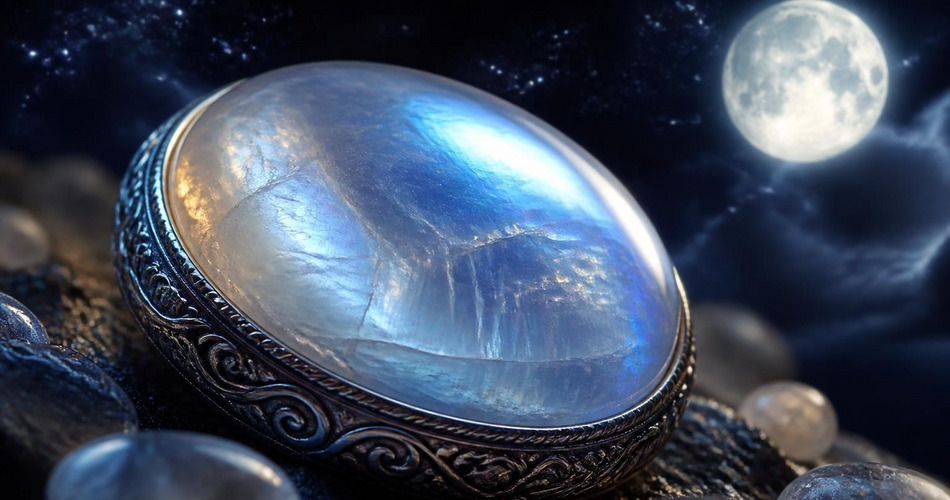
Moonstone is a gemstone that has long been associated with the moon, intuition, and emotional balance. Its soft, shimmering appearance—known as adularescence—evokes the glow of moonlight, reinforcing its connection to lunar cycles and feminine energy. Across cultures, moonstone is regarded as a stone of new beginnings, inner growth, and protection, often used to calm emotions and enhance psychic abilities. While it carries mostly positive connotations, some traditions also warn of its potential to amplify hidden feelings or bring about emotional turbulence if not used with care.
What Does Moonstone Symbolize?
Moonstone primarily symbolizes intuition and emotional harmony. Its gentle, reflective quality is thought to mirror the subconscious mind, making it a tool for self-discovery and inner clarity. The stone is also closely tied to the concept of cycles—particularly the lunar cycle—and therefore represents change, renewal, and the passage of time. In many belief systems, moonstone is seen as a bridge between the conscious and unconscious, helping individuals access deeper truths and navigate emotional transitions with grace.
Additionally, moonstone is a symbol of feminine energy. It is often linked to goddess figures and the divine feminine, embodying qualities such as nurturing, receptivity, and compassion. This association extends to fertility and childbirth, where moonstone has been used as a talisman for protection and ease during labor. The stone’s connection to water—another element tied to emotion and intuition—further reinforces its role as a calming, balancing force.
Positive and Negative Meanings
Positive associations: Moonstone is widely regarded as a stone of hope, new beginnings, and emotional healing. It is believed to soothe stress, promote restful sleep, and encourage patience and empathy. Many people use moonstone to enhance their intuitive abilities, especially during meditation or dream work. Its protective qualities are thought to shield travelers, particularly those journeying at night, and to bring good fortune in love and relationships.
Negative meanings: In some interpretations, moonstone can amplify emotional sensitivity to an uncomfortable degree, potentially leading to mood swings or heightened anxiety if the wearer is not grounded. It is also said to bring hidden feelings to the surface, which can be unsettling for those unprepared to confront them. Because of its strong lunar connection, some traditions advise against wearing moonstone during certain moon phases to avoid emotional imbalance.
History and Origins of Moonstone Symbolism
The name “moonstone” itself reflects the ancient belief that the stone was formed from solidified moonbeams. This idea appears in multiple cultures, particularly in India and the Roman Empire, where moonstone was considered sacred to lunar deities. In ancient Rome, Pliny the Elder wrote about a stone that changed appearance with the phases of the moon, which many scholars identify as moonstone. The stone was also used in jewelry and amulets throughout the Hellenistic period, valued for its supposed ability to bring victory and protection.
In India, moonstone has been revered for centuries. It is traditionally given as a gift to newlyweds, symbolizing love and a harmonious future. The stone is also mentioned in Hindu texts as a “dream stone” that brings visions and prophetic dreams. During the Art Nouveau period in the late 19th and early 20th centuries, moonstone experienced a revival in European jewelry design, prized for its ethereal glow and association with the mystical.
Moonstone Symbolism in Different Cultures
In Indian culture, moonstone is deeply tied to the moon god Chandra. It is believed to bring blessings of abundance, emotional balance, and spiritual insight. The stone is often used in Ayurvedic medicine to cool the body and calm the mind. In Roman and Greek traditions, moonstone was linked to lunar goddesses such as Diana and Selene, and was thought to protect travelers and bring good fortune in love.
In Middle Eastern cultures, moonstone was sometimes worn as a fertility charm and placed under pillows to encourage prophetic dreams. In European folklore, particularly in the British Isles, moonstone was considered a stone of divination, used by seers to glimpse the future. During the Victorian era, moonstone became popular in romantic jewelry, often engraved with crescent moons or stars to enhance its lunar symbolism.
Spiritual Meaning of Moonstone
Spiritually, moonstone is considered a powerful crystal for connecting with the divine feminine and the subconscious mind. It is often used in meditation to open the crown and third eye chakras, facilitating access to higher wisdom and inner truth. The stone’s calming energy is believed to align the emotional body with the spiritual self, promoting a sense of peace and acceptance.
Many spiritual practitioners use moonstone to enhance their psychic abilities, particularly clairvoyance and intuition. It is also associated with the moon’s phases: new moon for new beginnings, full moon for manifestation, and waning moon for release. Carrying or wearing moonstone during lunar rituals is thought to amplify the energy of the moon and deepen one’s connection to natural cycles.
Moonstone in Myths and Folklore
In Hindu mythology, moonstone is said to be made from the rays of the moon and is sacred to the god Chandra. Legends tell that moonstone can bring lovers together and protect them from jealousy. In ancient Sri Lankan and Indian folklore, moonstone was believed to contain a spirit that could grant wishes if the stone was treated with respect.
In European folklore, moonstone was often called the “traveler’s stone” because it was thought to protect those journeying at night. Some stories claim that placing a moonstone in your mouth during a full moon would allow you to see into the future. In Arab folklore, moonstone was sewn into clothing to ward off evil spirits and ensure safe passage through dangerous lands.
Moonstone in Dreams
Dreaming of moonstone is often interpreted as a sign of emotional clarity or the need to trust one’s intuition. The stone’s appearance in dreams may indicate a period of transition or a call to explore hidden aspects of the self. Because moonstone is linked to the moon and cycles, such dreams can also relate to fertility, new beginnings, or the completion of a life phase.
Some dream analysts suggest that moonstone in a dream symbolizes a desire for peace and emotional stability. It may also represent a connection to a loved one or a longing for deeper spiritual understanding. The context of the dream—such as whether the stone is given, lost, or glowing—can modify its meaning.
Common Dream Scenarios
- Receiving a moonstone as a gift: Often interpreted as a sign of emotional support or a new relationship that will bring balance.
- Finding a moonstone: Suggests discovery of hidden talents or untapped intuitive abilities.
- Losing a moonstone: May indicate fear of losing emotional control or a warning to pay attention to neglected feelings.
- A glowing moonstone: Represents heightened intuition or a spiritual awakening.
- A broken moonstone: Could symbolize emotional turmoil or the end of a cycle that requires healing.
Moonstone in Superstitions and Omens
Moonstone has been surrounded by various superstitions across cultures. In some European traditions, it was considered unlucky to wear moonstone during a lunar eclipse, as the stone was thought to absorb negative energy. Conversely, wearing moonstone during a new moon was believed to attract good luck and new opportunities.
In India, it is considered auspicious to give moonstone to a bride or groom, as it is believed to ensure a harmonious marriage. Some superstitions hold that moonstone can change color to warn of danger or illness, though this is not scientifically supported. In modern crystal healing, moonstone is still used as a protective amulet for travelers and a calming stone for those experiencing emotional distress.
Moonstone in Art and Literature
Moonstone appears in several notable works of literature. The most famous example is The Moonstone (1868) by Wilkie Collins, widely considered the first modern English detective novel. In the story, a large yellow diamond—actually a moonstone in the fictional context—is stolen from a Hindu temple, and the plot revolves around its recovery. The stone is portrayed as both a sacred object and a source of conflict, reflecting its dual nature in folklore.
In poetry, moonstone is often used as a metaphor for the moon’s light or for elusive beauty. The Romantic poet John Keats referenced “moonstone” in some of his works to evoke a sense of mystery and ethereal light. In visual art, moonstone jewelry and carvings appear in Art Nouveau pieces, particularly those by René Lalique, who favored the stone for its soft, opalescent quality.
Moonstone Tattoo Meaning
Moonstone tattoos are not extremely common, but when chosen, they often symbolize a connection to the moon, intuition, and feminine energy. A moonstone tattoo may be designed as a gemstone shape or incorporated into a larger lunar motif. People who get such tattoos often do so to represent a personal journey of emotional healing, a love for the night, or a desire to stay grounded while embracing change.
Because moonstone is associated with new beginnings, a moonstone tattoo can also mark a fresh start or a significant life transition. The tattoo’s placement and accompanying symbols—such as stars, crescent moons, or flowers—can further personalize its meaning. As with any tattoo, the interpretation is ultimately personal, but the overarching themes remain those of intuition, protection, and cyclical growth.
Meanings of Different Types of Moonstone
Moonstone comes in several varieties, each with slightly different symbolic nuances. Rainbow moonstone (a variety of labradorite) displays multicolored flashes and is associated with spiritual awakening and protection. It is often used to balance all chakras and enhance psychic abilities. Blue moonstone is rarer and is linked to calm communication and emotional expression, making it popular for those seeking to speak their truth with compassion.
Peach or orange moonstone is connected to the sacral chakra and is thought to stimulate creativity and passion. It is sometimes used in rituals for attracting love or boosting confidence. White moonstone is the most common variety and is the classic stone of intuition and new beginnings. Each type retains the core moonstone symbolism but adds its own energetic flavor based on color and composition.
Frequently Asked Questions
Q: What is moonstone good for?
A: Moonstone is believed to promote emotional balance, enhance intuition, and provide protection during travel. It is often used in meditation and crystal healing to calm the mind and support new beginnings.
Q: Can moonstone be worn every day?
A: Yes, moonstone is generally safe for daily wear, but some people find its energy too intense during emotional upheaval. It is advisable to cleanse the stone regularly and take breaks if needed.
Q: How do you cleanse moonstone?
A: Moonstone can be cleansed by placing it under running water, smudging with sage, or leaving it in moonlight overnight. Avoid harsh chemicals and prolonged sun exposure, which may damage the stone.
Q: What chakra is moonstone associated with?
A: Moonstone is primarily linked to the crown chakra and third eye chakra, but it also resonates with the sacral chakra, especially in peach or orange varieties.
Related Symbols
- Moon – The celestial body that gives moonstone its name and symbolic connection to cycles and intuition.
- Labradorite – A related feldspar mineral with similar adularescence, often associated with transformation and protection.
- Opal – Another iridescent gemstone linked to emotion, creativity, and spiritual insight.
- Pearl – A gem of the sea, symbolizing purity, emotional balance, and feminine energy.
- Crystal Quartz – A clear stone used for amplification of energy and intention, often paired with moonstone in healing practices.