Briefly
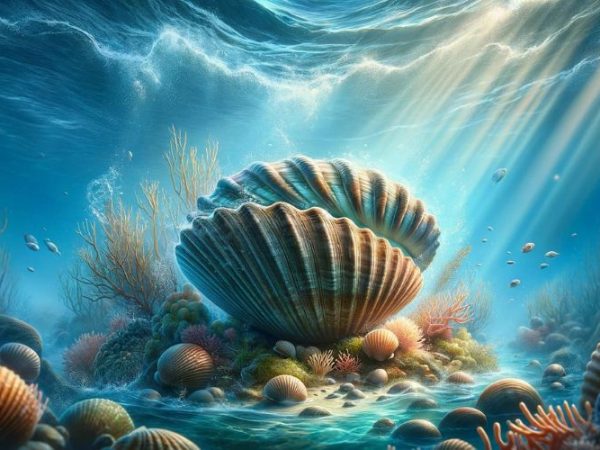
Seashells are the hard outer casings of marine mollusks, often found washed up on shores. They have been used by humans for thousands of years as tools, currency, jewelry, and ritual objects. Symbolically, seashells represent protection, transformation, fertility, and the mysteries of the ocean. Their spiral forms echo natural cycles of growth and renewal, while their durability speaks to endurance and resilience.
What Does Seashell Symbolize?
Seashells are deeply tied to the ocean, which itself symbolizes the unconscious, emotions, and the source of life. The shell’s hard exterior protects the soft creature within, making it a natural emblem of safety and self-preservation. Many cultures see seashells as symbols of femininity and fertility because they resemble the female vulva and womb. The spiral shape of many shells (like the nautilus) represents growth, evolution, and the eternal cycle of life, death, and rebirth. Seashells also evoke travel and discovery, as they are often collected as souvenirs from distant shores.
Positive and Negative Meanings
Positive associations: Seashells are widely regarded as symbols of protection, abundance, and good fortune. They are linked to the life-giving energy of the sea, creativity, and emotional balance. In many traditions, giving a seashell as a gift conveys wishes for safe journeys and prosperity.
Negative meanings: Because seashells are empty remnants of once-living creatures, they can also represent emptiness, vanity, or superficiality. In some contexts, a hollow shell symbolizes a person who lacks substance or inner depth. Additionally, the fragility of certain shells can signify vulnerability or the transient nature of life.
History and Origins of Seashell Symbolism
Seashells have been used by humans since prehistoric times. Cowrie shells, for example, were among the earliest forms of currency in Africa, Asia, and the Pacific Islands, valued for their beauty and durability. In ancient Egypt, shells were placed in tombs to accompany the dead into the afterlife, symbolizing rebirth. The scallop shell became a prominent Christian symbol associated with Saint James and pilgrimage along the Camino de Santiago. In Hinduism, the conch shell (shankha) is a sacred emblem of Vishnu, used in rituals to invoke the divine sound of creation. These historical uses established seashells as powerful symbols of value, spirituality, and transformation.
Seashell Symbolism in Different Cultures
In many African cultures, cowrie shells are symbols of fertility, wealth, and protection. They are often used in divination systems and as adornments for ceremonial attire. In Polynesian traditions, shells are carved into jewelry and tools, representing connection to the ocean and ancestral spirits. Native American coastal tribes used shells for wampum belts, which served as records of treaties and important events, symbolizing communication and agreement. In Japanese culture, the shell is associated with the goddess Benzaiten, who embodies music, eloquence, and fortune. Across these diverse cultures, seashells consistently represent the link between the human world and the vast, mysterious sea.
Spiritual Meaning of Seashells
Spiritually, seashells are seen as vessels of divine energy and protection. Their spiral shape mirrors the sacred geometry found in nature, often used in meditation to focus the mind and connect with deeper consciousness. The sound of a shell held to the ear is thought to mimic the ocean’s roar, symbolizing the voice of the universe or the subconscious. In many New Age practices, seashells are placed on altars to invoke the element of water and the qualities of intuition, healing, and emotional release.
Seashells in Myths and Folklore
In Greek mythology, the goddess Aphrodite was born from sea foam and often depicted emerging from a scallop shell, linking shells to love, beauty, and creation. The conch shell appears in Hindu mythology as a weapon and trumpet of the god Vishnu, used to vanquish demons and announce cosmic events. In Caribbean folklore, the conch shell is blown to communicate with spirits or to call communities together. These myths reinforce the shell’s role as a bridge between the human and the divine, as well as a tool for transformation and power.
Seashells in Dreams
Dreaming of seashells often relates to one’s emotional state and inner world. A shell may represent a protective barrier you have built around yourself, or a need to retreat and reflect. Finding a beautiful shell on a beach can symbolize a valuable insight or hidden talent you are about to discover. Broken or empty shells might indicate feelings of loss, vulnerability, or the end of a phase in your life.
Common Dream Scenarios
- Collecting seashells: Suggests a search for meaning, beauty, or hidden aspects of yourself.
- A giant or oversized shell: May represent an overwhelming emotion or a powerful protective force.
- Hearing the ocean in a shell: Indicates a need to listen to your intuition or subconscious mind.
- A broken shell: Can symbolize a shattered defense, a loss of innocence, or an ending.
- Using a shell as a tool or instrument: Points to resourcefulness and the ability to adapt.
Seashells in Superstitions and Omens
In many coastal communities, finding a seashell is considered a lucky omen, especially if it is whole and unbroken. Some believe that carrying a cowrie shell attracts wealth and protects against the evil eye. Conversely, stepping on a sharp shell is sometimes seen as a warning to be cautious with one’s emotions. In parts of the Caribbean, blowing a conch shell is thought to summon protective spirits or ward off storms.
Seashells in Art and Literature
Seashells have inspired artists and writers for centuries. Sandro Botticelli’s famous painting The Birth of Venus (c. 1486) shows the goddess standing on a giant scallop shell, symbolizing her emergence from the sea. In literature, the shell appears in Shakespeare’s Hamlet where Ophelia’s songs reference shells as tokens of lost love. More recently, the shell is central to the novel The Shell Collector by Anthony Doerr, where a blind man’s collection of rare shells reveals themes of perception and wonder. These examples highlight the shell’s enduring power as a symbol of beauty, mystery, and transformation.
Seashell Tattoo Meaning
Seashell tattoos are popular choices that often represent a love for the ocean, a connection to one’s coastal heritage, or personal qualities like resilience and adaptability. The scallop shell tattoo, for instance, is frequently worn by pilgrims of the Camino de Santiago as a symbol of their journey. A spiral shell tattoo can signify growth and the cyclical nature of life. Many people choose cowrie shell tattoos to invoke fertility and protection. The placement and color of the tattoo can further personalize its meaning, but the core symbolism remains tied to the sea’s depth and mystery.
Meanings of Different Types of Seashells
- Scallop shell: Associated with pilgrimage, travel, and the divine feminine (Venus).
- Cowrie shell: Symbolizes fertility, wealth, and protection; often used in divination.
- Conch shell: Represents power, authority, and spiritual awakening; used in Hindu and Buddhist rituals.
- Nautilus shell: Embodies the golden ratio, growth, and the unfolding of consciousness.
- Sand dollar: A symbol of peace, transformation, and the star of Bethlehem in Christian tradition.
Frequently Asked Questions
Q: What does it mean to find a seashell on the beach?
A: Finding a seashell is often seen as a positive sign, indicating good luck, a new beginning, or a message from the subconscious. In many cultures, it is considered a gift from the ocean.
Q: Are seashells used in spiritual practices?
A: Yes, seashells are used in various spiritual traditions. They are placed on altars, used in meditation to connect with water energy, and blown as sacred instruments in Hindu and Buddhist ceremonies.
Q: What does a seashell symbolize in Christianity?
A: The scallop shell is a prominent Christian symbol representing pilgrimage, baptism, and the journey of faith. It is closely associated with Saint James and the Camino de Santiago.
Q: Can seashells be negative symbols?
A: In some contexts, an empty shell can symbolize emptiness, vanity, or a lack of inner substance. Broken shells may represent loss or vulnerability.
Related Symbols
- Ocean
- Water
- Spiral
- Pearl
- Mermaid
- Boat
- Anchor