Briefly
Pink is a color that blends the energy of red with the purity of white, evoking gentleness, affection, and nurturing. It is widely associated with love, compassion, femininity, and innocence, but it also carries complex social meanings that have shifted across time and culture. Pink can signify tenderness and playfulness, yet it can also suggest naivety or superficiality depending on context.
What Does Pink Symbolize?
Pink is often seen as the color of unconditional love and emotional warmth. It represents the softer side of human nature—kindness, empathy, and the willingness to care for others. While red signals passion and intensity, pink introduces a gentler, more affectionate tone, making it a symbol of romantic sweetness and maternal love.
In the broader symbolic spectrum, pink is linked to femininity and the traditional gender roles that have historically shaped Western culture. It also signifies hope and new beginnings, as seen in the soft blush of dawn. Pink carries a sense of lightness and joy, often associated with childhood, play, and innocence, which is why it is a popular choice for baby clothing and nursery décor.
Positive and Negative Meanings of Pink
Positive associations: Pink embodies compassion, understanding, and emotional healing. It is the color of harmony and friendship, promoting feelings of safety and acceptance. In many contexts, pink represents unconditional love, nurturing, and the ability to connect deeply with others. It also inspires a sense of calm and reduces feelings of aggression, making it a color that encourages peaceful interactions.
Negative meanings: Pink can also carry negative connotations, such as immaturity, weakness, or a lack of seriousness. In some modern interpretations, it is seen as overly sentimental or cloying, sometimes associated with superficiality and the idea of “girliness” as a negative stereotype. Pink can evoke a sense of being controlled or pigeonholed into narrow gender roles, leading to backlash against its overuse in marketing and cultural stereotypes.
History and Origins of Pink Symbolism
The history of pink as a distinct color symbol is relatively recent. In ancient times, pink was simply a lighter shade of red and shared its symbolic meanings of life, passion, and power. The word “pink” itself did not enter the English language until the 17th century, derived from the flower of the same name, which was prized for its petals and scent.
By the 18th century, pink had become a fashionable color among the European aristocracy, often used in textiles and portraits. However, the association of pink with femininity and gender is a 20th-century development. In the early 1900s, pink was actually considered a masculine color because it was seen as a diluted red, which was bold and strong, while blue was thought dainty and associated with girls. It was only in the 1940s, through aggressive marketing and changing cultural norms, that pink became indelibly linked to girls and women, a shift that has been widely documented by historians and sociologists.
Pink in Different Cultures
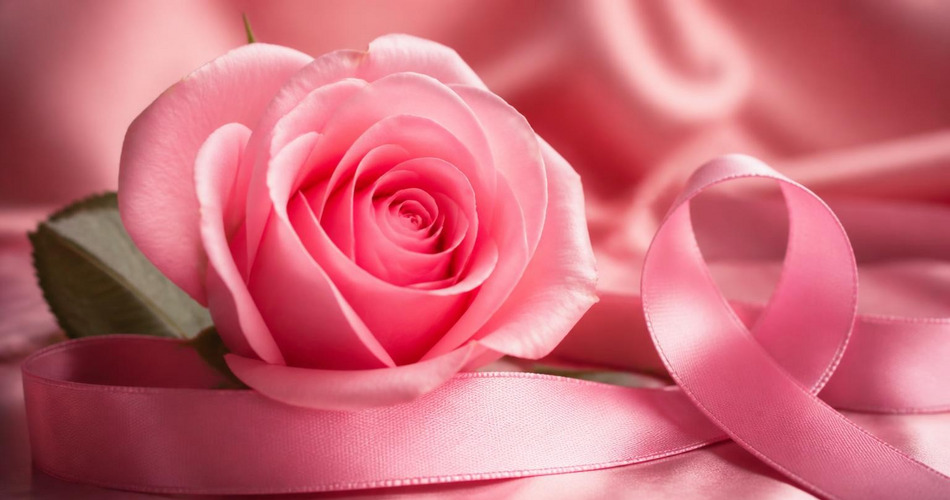
Cultural interpretations of pink vary widely. In Western societies, pink is the iconic color of femininity, romance, and Valentine’s Day. It is also the color of breast cancer awareness, representing hope and solidarity through the pink ribbon.
In Japan, pink (sakura-iro) is associated with cherry blossoms, symbolizing the transient beauty of life and the arrival of spring. It is a color of renewal and optimism, deeply embedded in Japanese aesthetics. In India, pink is often linked to hospitality and celebration, as seen in the pink sandstone of the Taj Mahal’s sister monument, the Hawa Mahal, and the traditional pink turbans worn in some regions.
In some Latin American cultures, pink is used in religious festivals and is associated with the Virgin Mary, representing love and divine compassion. Meanwhile, in certain African traditions, pink is connected to earth tones and is used in ceremonial garments to signify joy and vitality.
Spiritual Meaning of Pink
Spiritually, pink is often associated with the heart chakra, which governs love, compassion, and emotional balance. It is believed to open the heart to giving and receiving love, fostering forgiveness and inner peace. Many spiritual traditions consider pink a color of divine love, connecting the earthly realm with higher consciousness.
In meditation, pink is used to heal emotional wounds and bring a sense of inner child innocence. It encourages a state of openness and vulnerability, allowing individuals to connect with their authentic feelings. The color pink is also linked to the energy of the goddess in various spiritual practices, symbolizing unconditional love and the nurturing aspect of the divine.
Pink in Dreams
Dreams featuring pink often reflect emotional states related to love, affection, and vulnerability. Seeing pink in a dream can indicate a need for tenderness or a longing for romantic connection. It may also represent contentment and a sense of being loved.
Pink dreams can also point to unresolved feelings about femininity or one’s own emotional sensitivity. If the pink appears as a bright, cheerful hue, it may signal a period of happiness and emotional fulfillment. A pale or washed-out pink could suggest feelings of fragility or a need to nurture oneself.
Common Dream Scenarios
- Seeing a pink sky: A pink sky in a dream often symbolizes a time of emotional awakening or a new romantic chapter. It can also represent hope and positive change.
- Wearing pink clothing: Dreaming of dressing in pink may reflect a desire to express affection or to adopt a more gentle, approachable persona. It can also indicate a focus on appearance and self-image.
- Receiving pink flowers: Pink flowers in dreams are typically messages of love and admiration, suggesting that someone in your waking life cares for you deeply.
- Painting with pink: This can symbolize the desire to bring more softness and compassion into your life, or a need to heal emotional wounds.
Pink in Superstitions and Omens
Pink is generally seen as a positive omen in superstition, associated with good fortune in matters of the heart. In some folk traditions, finding a pink object on your path is said to bring unexpected love or praise. Pink candles are used in love spells and rituals to attract affection and strengthen bonds.
However, there are also superstitions that warn against wearing certain shades of pink to important business meetings, as it might be perceived as indecisive or lacking authority. In some cultures, a pink ribbon tied to a door is believed to signal a new baby girl, while in others it is used to welcome guests with hospitality.
Pink in Art and Literature
Pink has been a recurring motif in art and literature, often used to evoke themes of love, innocence, and the ephemeral. In the Rococo period of the 18th century, painters like Jean-Honoré Fragonard used delicate pinks in works such as “The Swing” to depict playful romance and aristocratic leisure. The color’s association with sensuality and lightheartedness made it a favorite among artists of that era.
In literature, pink often appears as a symbol of youthful idealism and romantic longing. Mark Twain’s character of Laura Hawkins in “The Gilded Age” is described with pink ribbons, underscoring her romantic nature. In modern fiction, the film “Pretty in Pink” (1986) uses the color as a central motif, representing the protagonist’s struggle between social status and true love. The famous Pink Panther character, introduced in the 1963 film, brings a playful, mischievous side to pink, embedding the color in popular culture as a symbol of wit and charm.
Pink in Tattoo Art
Pink tattoos are a popular choice for those seeking to express love, compassion, or a connection to their feminine side. The color is often used in floral designs, especially roses and cherry blossoms, to symbolize beauty and the fleeting nature of life. Pink ink can also be incorporated into butterfly tattoos, representing transformation and emotional growth.
In the realm of body art, pink is sometimes used to soften the impact of darker imagery, adding a layer of tenderness or irony. It is also a common color for hearts, ribbons, and other love symbols, making it a versatile choice for personal expression.
Meanings of Different Shades of Pink
The shade of pink can alter its symbolism. Soft pastel pinks, such as baby pink, evoke innocence, gentleness, and a sense of calm. These shades are often linked to childhood and purity. In contrast, hot pink or magenta carries a more energetic and bold message, signifying confidence, playfulness, and a rebellious spirit.
Dusty or muted pinks convey nostalgia and vintage charm, often associated with memories and sentimental value. Pale pink, similar to white, suggests purity and cleanliness, while bright pinks like flamingo or rose are lively and eye-catching, representing enthusiasm and contemporary femininity.
Frequently Asked Questions about Pink
Q: What does pink symbolize in love?
A: Pink symbolizes gentle, unconditional love, compassion, and emotional warmth. It is softer than red and focuses on nurturing and affectionate bonds rather than intense passion.
Q: Is pink a masculine or feminine color?
A: Historically, pink was associated with both genders, but in the 20th century it became strongly tied to femininity. Today, many people challenge this association, and pink is seen as a color for anyone.
Q: What does pink mean in a dream?
A: Pink in dreams often reflects feelings of love, affection, or a need for tenderness. It can also point to unresolved emotional issues or a desire to reconnect with one’s innocent, playful side.
Q: What is the spiritual significance of pink?
A: Spiritually, pink is linked to the heart chakra, promoting love, forgiveness, and emotional healing. It is considered a color of divine love and compassion.
Related Symbols
- Red – the passionate parent of pink
- White – the purity component of pink
- Rose – the flower that shares pink’s romantic symbolism
- Heart – symbol of love and emotion, often rendered in pink
- Cherry Blossom – represents pink’s theme of transient beauty
- Pink Ribbon – symbol of breast cancer awareness and hope