Briefly
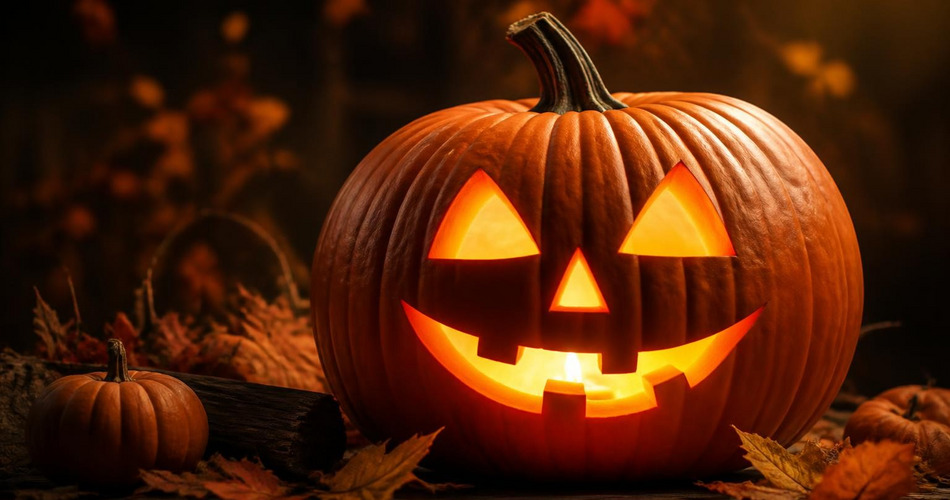
The pumpkin is a powerful symbol of harvest, abundance, and the cyclical nature of life. Its bright orange color evokes warmth, creativity, and the energy of the autumn sun. At the same time, its association with Halloween and the carved jack-o’-lantern gives it meanings of protection, warding off evil, and confronting the darker aspects of existence. The pumpkin’s transformation from a simple vine fruit into a glowing lantern mirrors themes of personal change and inner light emerging from darkness.
What Does Pumpkin Symbolize?
Pumpkins are most commonly linked to the autumn harvest, representing abundance and the rewards of hard work. Their large size and plentiful seeds make them a natural emblem of fertility and prosperity. The pumpkin’s round shape and warm orange hue also connect it to the sun, suggesting vitality, energy, and the life-giving force of nature.
Beyond the harvest, the pumpkin is deeply tied to the festival of Halloween. The carved pumpkin — the jack-o’-lantern — symbolizes protection, as it was traditionally used to ward off evil spirits. This duality gives the pumpkin a layered meaning: it is both a cheerful symbol of bounty and a guardian against the unknown.
Positive and Negative Meanings of Pumpkin
Positive associations: Pumpkins signify abundance, generosity, and the fulfillment of goals. They represent the joy of gathering, community celebration, and the warmth of home. In many cultures, the pumpkin is a symbol of good fortune, fertility, and the promise of new growth from its numerous seeds.
Negative meanings: On the darker side, pumpkins are linked to decay and the passage of time, as they rot after harvest. Their association with Halloween and the supernatural can evoke fear, death, and the thinning of the veil between worlds. The carved, grinning face of a jack-o’-lantern can be menacing, representing the trickster or the unsettling aspects of the unknown.
History and Origins of Pumpkin Symbolism
Pumpkins are native to North America and were cultivated by Indigenous peoples for thousands of years. They were a staple food and held symbolic importance in harvest ceremonies. European settlers adopted the pumpkin into their own traditions, and by the 19th century, the pumpkin had become a central icon of autumn in the United States.
The tradition of carving pumpkins into lanterns originated from the Irish myth of Stingy Jack, who tricked the devil and was condemned to wander the earth with only a hollowed-out turnip lit by a coal. Irish immigrants brought this custom to America, where they found pumpkins — larger and easier to carve — to be the perfect substitute. This gave rise to the modern jack-o’-lantern, a symbol of both protection and playful mischief.
Pumpkin Symbolism in Different Cultures
In the United States and Canada, the pumpkin is inseparable from Thanksgiving and Halloween. At Thanksgiving, it symbolizes gratitude for the harvest and the bounty of the land. Pumpkin pie is a traditional dessert, reinforcing associations with comfort and home. At Halloween, the pumpkin becomes a protective emblem, with carved faces meant to scare away evil spirits.
In Chinese culture, the pumpkin (often called “golden melon”) is a symbol of good fortune and prosperity. Its round shape and golden color represent wealth and completeness. Pumpkins are sometimes used in Feng Shui to attract abundance and protect the home.
In parts of Europe, particularly Ireland and Scotland, the pumpkin — or its predecessor, the turnip — played a role in Samhain traditions, the ancient Celtic festival that influenced Halloween. The practice of carving root vegetables to ward off spirits was later transferred to pumpkins in the New World.
Spiritual Meaning of Pumpkin
Spiritually, the pumpkin represents the cycle of life, death, and rebirth. Its growth from a tiny seed into a large fruit mirrors the journey of the soul. The pumpkin’s hard outer shell protects the soft interior and numerous seeds, symbolizing the need to guard one’s inner self while nurturing potential.
The jack-o’-lantern, with its inner light, is a metaphor for the human spirit shining through the darkness. It encourages facing fears and embracing transformation. In some spiritual practices, pumpkins are used in rituals for abundance, protection, and grounding during the autumn season.
Pumpkin in Myths and Folklore
The most famous pumpkin in folklore is the one from the fairy tale Cinderella, where a pumpkin is magically transformed into a carriage. This story highlights the pumpkin’s association with transformation, magic, and the idea that something humble can become magnificent. It also ties the pumpkin to the concept of a limited time — the magic ends at midnight, echoing the pumpkin’s seasonal nature.
The legend of Stingy Jack, as mentioned, is the origin of the jack-o’-lantern. In Irish folklore, Jack tricked the devil and was barred from both heaven and hell. He wandered the earth with a hollowed turnip containing a burning coal. This tale imbues the pumpkin with meanings of cunning, eternal wandering, and the thin boundary between the living and the dead.
Pumpkin in Dreams
Dreaming of pumpkins often relates to themes of abundance, harvest, and the rewards of one’s efforts. A ripe, whole pumpkin can signify success and fulfillment, while a rotting pumpkin may warn of missed opportunities or neglected potential. The context of the dream is key to interpretation.
Common Pumpkin Dream Scenarios
- Carving a pumpkin: Suggests a desire to express creativity or to prepare for a new phase in life. It may also indicate a need to protect oneself from external influences.
- Eating pumpkin: Symbolizes nourishment, satisfaction, and enjoying the fruits of your labor. It can also represent comfort and home.
- A giant pumpkin: Points to overwhelming abundance or a situation that has grown beyond expectations. It may be positive (great success) or negative (burden).
- A rotting pumpkin: Warns of decay, wasted potential, or the end of a cycle. It encourages letting go of what no longer serves you.
- A glowing jack-o’-lantern: Represents inner light, guidance, or the need to confront fears. It can also signal a time of heightened intuition or spiritual awareness.
Pumpkin in Superstitions and Omens
Pumpkins appear in various superstitions, many tied to Halloween and harvest traditions. Here are some common beliefs:
- Carving a jack-o’-lantern on Halloween night is thought to ward off evil spirits and protect the home.
- Finding a pumpkin vine growing unexpectedly in your garden is considered a sign of good luck and unexpected abundance.
- Throwing a pumpkin after Halloween is sometimes believed to dispel negative energy from the home.
- Pumpkin seeds are often kept as charms for fertility and prosperity.
- A pumpkin that refuses to rot for a long time may be seen as an omen of resilience or stubbornness.
Pumpkin in Art and Literature
The pumpkin appears in several notable works of art and literature. In Washington Irving’s The Legend of Sleepy Hollow, the Headless Horseman throws a pumpkin at Ichabod Crane, cementing the pumpkin as a symbol of terror and the supernatural in American folklore. This scene has been depicted in countless illustrations and film adaptations.
In children’s literature, It’s the Great Pumpkin, Charlie Brown by Charles M. Schulz is a beloved television special where Linus waits for the Great Pumpkin to rise from the pumpkin patch. Here, the pumpkin symbolizes hope, faith, and the innocence of belief, even in the face of disappointment.
In visual art, the Japanese artist Yayoi Kusama has created famous installations featuring pumpkins covered in polka dots. Her pumpkins represent comfort, obsession, and the infinite, blending personal meaning with universal symbols of growth and repetition.
Pumpkin Tattoo Meaning
Pumpkin tattoos are popular for their vibrant color and rich symbolism. A pumpkin tattoo often represents the autumn season, harvest, and abundance. It can also signify a love of Halloween and the playful, spooky aspects of life. For some, a jack-o’-lantern tattoo symbolizes protection, warding off negativity, or a connection to the supernatural. The pumpkin’s seeds may be included to emphasize fertility or new beginnings. Because pumpkins are temporary — they grow, are harvested, and decay — a pumpkin tattoo can also remind the wearer of life’s cycles and the importance of enjoying the present moment.
Meanings of Different Pumpkin Colors and Types
While the classic orange pumpkin is most common, pumpkins come in various colors, each with its own nuance:
- Orange pumpkin: The traditional color, symbolizing warmth, creativity, energy, and the sun. It is the quintessential harvest symbol.
- White pumpkin: Represents purity, new beginnings, and the moon. White pumpkins are often associated with winter and the quieter side of the harvest season.
- Green pumpkin: Signifies growth, youth, and potential. A green pumpkin is still ripening, so it can symbolize a work in progress.
- Blue or gray pumpkin: Rare varieties like ‘Jarrahdale’ have a blue-gray hue, evoking mystery, calm, and the ethereal. They are sometimes linked to the supernatural.
- Miniature pumpkins: Represent small blessings, cuteness, and the idea that good things come in small packages.
Frequently Asked Questions About Pumpkin Symbolism
Q: What does a pumpkin symbolize in general?
A: A pumpkin generally symbolizes harvest, abundance, fertility, protection, and the cycle of life and death. Its meaning can shift from cheerful bounty to spooky guardian depending on context.
Q: Why is the pumpkin associated with Halloween?
A: The association comes from the Irish legend of Stingy Jack and the tradition of carving turnips into lanterns. Irish immigrants in America substituted pumpkins, which were larger and easier to carve, creating the modern jack-o’-lantern used to ward off evil spirits on Halloween.
Q: What does a pumpkin mean in a dream?
A: In dreams, a pumpkin often represents abundance, rewards, or the fruition of efforts. A rotting pumpkin may warn of neglect, while a glowing jack-o’-lantern can indicate inner guidance or the need to confront fears.
Q: What does a pumpkin tattoo symbolize?
A: A pumpkin tattoo can symbolize autumn, harvest, abundance, protection, or a love of Halloween. It may also represent life cycles, transformation, and the balance between light and dark.
Q: What is the spiritual meaning of a pumpkin?
A: Spiritually, the pumpkin represents the cycle of life, death, and rebirth. Its hard shell protects inner potential, and the jack-o’-lantern’s inner light symbolizes the soul shining through darkness.
Related Symbols
- Jack-o’-lantern – the carved pumpkin, symbolizing protection and the supernatural
- Cornucopia – horn of plenty, representing abundance and harvest
- Autumn leaves – seasonal change, decay, and the beauty of transition
- Harvest moon – fullness, gratitude, and the completion of cycles
- Scarecrow – protection of crops, rural life, and the boundary between nature and cultivation