Briefly
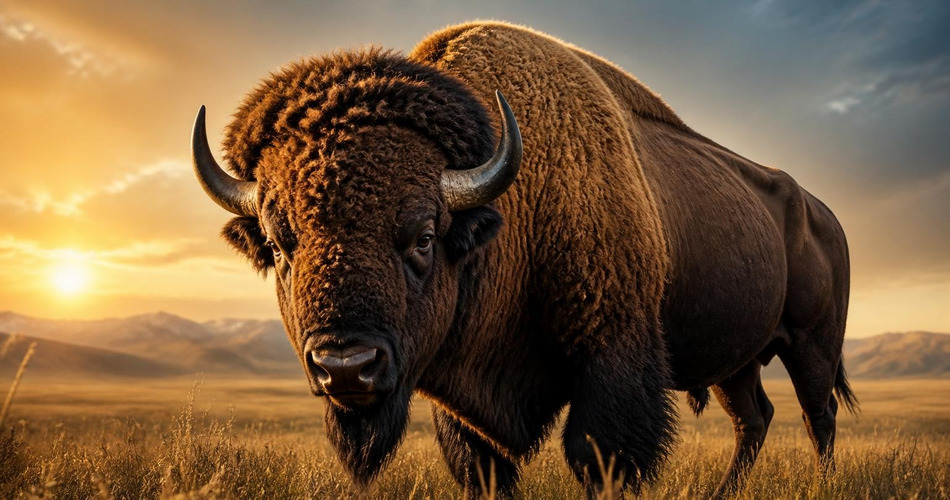
The buffalo—whether the American bison or the Asian water buffalo—stands as one of the most powerful animal symbols across the globe. It is universally associated with abundance, strength, and endurance, often representing the capacity to overcome hardship and provide for one’s community. Spiritually, the buffalo is seen as a grounding force, connecting humans to the earth and to the cycles of nature. Its appearance in dreams, art, and folklore consistently reinforces themes of resilience, gratitude, and sacred provision.
What Does the Buffalo Symbolize?
The buffalo is a deeply layered symbol that conveys both practical and spiritual meanings. In many Native American traditions, the buffalo was the primary source of food, clothing, tools, and shelter, so it came to symbolize abundance and the generosity of the Great Spirit. Every part of the animal was used with respect, teaching lessons of gratitude and waste not, want not. Additionally, the buffalo’s sheer size and strength made it a natural emblem of power and endurance, while its herding behavior underscores community and cooperation.
In Asian cultures, particularly in India and Southeast Asia, the water buffalo is similarly revered. It is a symbol of agricultural prosperity, hard work, and patience. The buffalo’s connection to the plow and rice fields ties it directly to fertility and the sustenance of life. Across these contexts, the buffalo also often appears as a guardian figure, offering protection and stability to those who respect it.
Positive and Negative Meanings
Positive associations: The buffalo is overwhelmingly positive in its symbolism. It represents abundance, not just of material resources but of spiritual blessings. It stands for enduring strength, the kind that persists through storms and challenges. The buffalo also embodies community, interdependence, and the importance of giving back. Its calm, steady presence is a reminder to be grounded and grateful.
Negative meanings: In some contexts, the buffalo can symbolize stubbornness or an unwillingness to change direction. Its sheer mass and power can also represent overwhelming force or destruction if misdirected. In rare cases, the buffalo in dreams may indicate being weighed down by responsibilities or an inability to move forward.
History and Origins of Buffalo Symbolism
The buffalo’s symbolism is rooted in the practical and spiritual relationship prehistoric and indigenous peoples had with the animal. For the Plains tribes of North America, the American bison (often called buffalo) was central to survival for thousands of years. Archaeological evidence from sites such as Head-Smashed-In Buffalo Jump in Alberta, Canada, shows that Indigenous peoples developed sophisticated hunting techniques that relied on deep knowledge of buffalo behavior. This dependence fostered a profound reverence, making the buffalo a sacred symbol in ceremonies, rock art, and oral traditions.
In Asia, water buffalo domestication dates back at least 5,000 years, particularly in the Indian subcontinent and Southeast Asia. The animal became intertwined with agricultural life and Hindu mythology, where it appears as the vehicle of Yama, the god of death, and as a symbol of dharma (righteous duty). The contrast between the buffalo’s gentle domesticated nature and its wild power further enriched its symbolic range.
Buffalo Symbolism in Different Cultures
In Native American cultures, the buffalo is perhaps the most significant animal symbol. The Lakota, Blackfoot, Cheyenne, and many other tribes hold the buffalo as a sacred relative. The legend of the White Buffalo Calf Woman is central to the Lakota: she brought the sacred pipe and taught the people how to pray, ensuring harmony between humans and nature. The buffalo is also a symbol of the Great Spirit’s provision—when the buffalo left, hardship followed; when they returned, life flourished again.
In Hindu and Buddhist traditions, the water buffalo carries different but equally meaningful symbolism. The buffalo is the vahana (vehicle) of Yama, the god of death in Hinduism, representing the inevitability of death and the transition of the soul. In some rural parts of India, the buffalo is also associated with the goddess Durga, symbolizing raw power and demon-conquering might. In Buddhism, the buffalo can represent patience and the strength to carry heavy burdens on the path to enlightenment.
In Chinese culture, the water buffalo is valued for its tireless work in the rice paddies, symbolizing perseverance, humility, and a reliable nature. The ox (which includes the buffalo) is one of the 12 animals of the Chinese zodiac, representing hard work and positivity.
Spiritual Meaning of the Buffalo
Spiritually, the buffalo is often considered a totem animal that teaches the importance of gratitude and the sacred interconnectedness of all life. Its presence in spiritual practices calls for an appreciation of abundance without excess. The buffalo spirit guides individuals to tap into their inner strength—not aggressive power but a steady, patient force that can endure the long haul. It also encourages community-oriented living, reminding people that individual success is hollow without the well-being of the group.
In shamanic traditions, the buffalo is a symbol of prosperity, often invoked in rituals for abundance and healing. Because the buffalo was a source of so many necessities, it represents the idea that the universe provides what is needed when one lives in harmony with the earth. Meditating on the buffalo can help cultivate a sense of security, grounding, and connection to ancestral wisdom.
Buffalo in Myths and Folklore
The most famous buffalo myth is the Lakota story of the White Buffalo Calf Woman. According to tradition, the Woman appeared to the people when they were hungry and starving. She gave them the sacred pipe (chanunpa) and taught them the seven sacred ceremonies that would ensure their survival and spiritual well-being. Before leaving, she promised to return one day. A white buffalo calf is considered a sign of her presence—an event of great spiritual significance. This myth remains active today; when a white buffalo calf is born, it is seen as a powerful omen by many Native peoples.
In Hindu mythology, the buffalo demon Mahishasura is a central figure. He was a shape-shifting asura (demon) who could take the form of a buffalo. His reign of terror ended when the goddess Durga defeated him after a fierce battle, symbolizing the triumph of good over evil and the power of divine feminine energy. This story is celebrated annually in the Durga Puja festival. The buffalo form represents the raw, untamed forces of nature that must be subdued for order to prevail.
Buffalo in Dreams
Dreaming of a buffalo is generally considered a positive omen, often interpreted as a message of resilience and coming abundance. Seeing a buffalo grazing peacefully may indicate a period of stability and provision ahead. A charging buffalo, on the other hand, might suggest that the dreamer is avoiding a powerful truth or emotion that needs to be confronted. Because buffalo are herd animals, dreams about them can also point to the importance of family, community, or teamwork in the dreamer’s waking life.
Buffalo in Superstitions and Omens
In many Native American traditions, the sight of a buffalo—especially a white buffalo—is considered an extremely auspicious omen, signaling spiritual renewal and collective blessing. Conversely, the disappearance of buffalo from the plains was historically viewed as a sign of imbalance and hardship. In some Asian folk beliefs, encountering a buffalo on the road is thought to bring good luck, particularly for farmers. A dream about a buffalo can also function as a call to pause, be grateful, and realign with one’s purpose.
Buffalo Tattoo Meaning
Buffalo tattoos are popular choices for people who want to express strength, endurance, and a deep connection to their heritage or the natural world. In Native American-inspired designs, the buffalo often represents respect for ancestors and the earth. A buffalo skull tattoo may carry the additional meaning of mortality and the cycle of life. For those with Asian roots, a water buffalo tattoo can symbolize hard work and humility. Common placement includes the chest, shoulder, or back to accommodate the buffalo’s broad form and to emphasize its protective qualities.
Meanings of Different Types and Colors of Buffalo
The white buffalo is by far the most spiritually significant variation. In Lakota culture, a white buffalo calf is considered the holiest of all living creatures, a direct manifestation of the White Buffalo Calf Woman. It symbolizes hope, unity, and the return of spiritual balance. A black buffalo can represent mystery, the unknown, and raw instinctual power. Meanwhile, a brown or typical buffalo often stands for grounding, reliability, and the everyday strength that sustains communities.
Beyond color, the difference between the American bison and the Asian water buffalo also carries symbolic nuance. The bison, with its massive hump and wild nature, speaks more to untamed power and survival in harsh climates. The water buffalo, domesticated for millennia, represents patient labor, agricultural cycles, and a more gentle, guiding strength.
Frequently Asked Questions
Q: What does it mean if I see a buffalo in a dream?
A: Seeing a buffalo in a dream often symbolizes an upcoming period of abundance, resilience, or the need to lean on your community. It can also be a reminder to practice gratitude and respect for what you already have.
Q: Is the buffalo a symbol of good luck?
A: Yes, across many cultures the buffalo is considered a symbol of good luck, particularly in terms of material provision and spiritual blessing. In Native American traditions, the buffalo’s return after a time of scarcity is a powerful sign of hope.
Related Symbols
- Bison – American bison is the direct cultural counterpart; similar symbolism of abundance and survival.
- Ox – In Chinese zodiac and agriculture; shares themes of hard work and endurance.
- Cattle – General livestock symbols of prosperity and sacrifice.
- Deer – In Native American symbolism, deer represent gentleness and provision, complementing the buffalo’s raw power.
- Bear – Another symbol of raw strength and endurance, often contrasted with the buffalo’s community focus.