Briefly
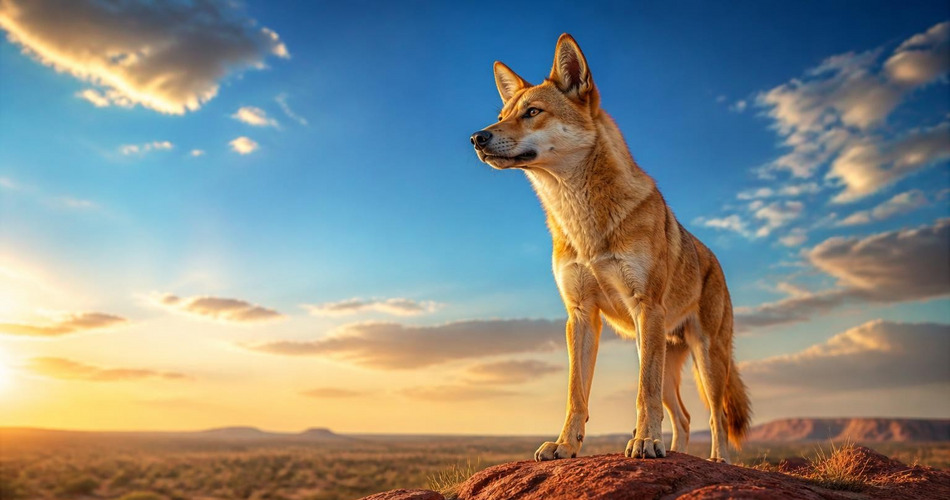
The dingo, Australia’s iconic wild dog, symbolizes freedom, independence, and the untamed spirit of the outback. In Aboriginal cultures, it is revered as a totem animal representing loyalty, survival, and adaptability. Yet the dingo also embodies cunning and danger, reflecting its dual role as both a companion and a predator. Across mythology and modern interpretation, the dingo stands as a powerful emblem of instinct, resilience, and the thin line between wildness and domestication.
What Does Dingo Symbolize?
The dingo’s symbolic meaning centers on freedom – the animal’s refusal to be fully domesticated speaks to a deep, instinctual independence. It also represents survival and adaptability, having thrived in Australia’s harsh environments for thousands of years. Loyalty is another key attribute; dingoes form strong family packs and are known for their devotion, especially in Aboriginal stories where they are seen as faithful helpers. Additionally, the dingo embodies cunning and intelligence, traits that can be both positive (resourcefulness) and negative (trickery). In a broader sense, the dingo is a symbol of the wild itself – a reminder of nature’s untamed power and the primal instincts within all living things.
Positive and Negative Meanings
Positive associations: The dingo is admired for its resilience, loyalty, and strong family bonds. It symbolizes the ability to thrive in adversity, a keen survival instinct, and a deep connection to nature. In Aboriginal culture, the dingo is often a guide or protector, offering wisdom and companionship on spiritual journeys.
Negative meanings: The dingo can also represent deceit, treachery, and uncontrolled wildness. Its predatory nature and historical conflicts with humans have led to associations with danger and unpredictability. In modern contexts, the dingo is sometimes linked to loss or tragedy, particularly due to the infamous Azaria Chamberlain case, where a dingo was blamed for taking a baby.
History and Origins of Dingo Symbolism
The dingo’s symbolism is deeply rooted in Aboriginal Australian culture, where it has been present for at least 4,000 years – and possibly much longer. Dingoes were likely introduced by seafarers from Southeast Asia and quickly became integral to Indigenous life. In Aboriginal Dreamtime stories, the dingo is often a creator being or a cultural hero who shapes the land and teaches survival skills. The animal’s role as a semi-domesticated camp dog also gave it symbolic ties to loyalty and cooperation. European settlers later viewed the dingo as a pest, leading to a more negative symbolic layer focused on cunning and threat. This duality has persisted, making the dingo a complex symbol in Australian identity.
Symbolism in Different Cultures
In Aboriginal Australian cultures, the dingo is a significant totem animal. Different clans associate it with specific territories and Dreaming tracks. The dingo is often depicted in rock art and oral traditions as a helper, guardian, or teacher. For example, the Dingo Dreaming story of the Yuin people tells of a dingo that guided a lost hunter to safety. In contrast, modern Australian culture has ambivalent feelings: the dingo is celebrated as a native icon in some contexts (e.g., the Dingo Fence, which is a cultural landmark) but also vilified as a livestock predator. Internationally, the dingo is seen as a symbol of Australia’s unique wildlife, representing wildness and the ancient land.
Spiritual Meaning
As a spirit animal, the dingo brings messages of independence, resourcefulness, and the need to trust one’s instincts. It encourages adapting to change with grace and using cunning intelligence to overcome obstacles. The dingo totem also emphasizes loyalty to one’s pack – family and close friends – while maintaining personal freedom. In shamanic traditions, the dingo is a guide into the dream world, helping individuals navigate their subconscious and uncover hidden truths. Those who resonate with the dingo are often free-spirited, clever, and deeply connected to nature.
Dingo in Myths and Folklore
Aboriginal mythology is rich with dingo stories. In some Dreamtime narratives, the dingo was originally a man who was transformed into a dog for breaking a taboo. Other tales describe how the dingo received its distinctive call or how it helped create the landscape. The dingo is also a common figure in the Milky Way myths; for instance, some groups see the dark shape of a dingo in the stars. These stories often emphasize the dingo’s intelligence, loyalty, and connection to the spirit world. In more recent folklore, the dingo has been featured in bush tales as a clever animal that outwits farmers and hunters, reinforcing its trickster reputation.
Dingo in Dreams
Dreaming of a dingo often reflects aspects of the dreamer’s own wild nature or a need for greater freedom. A dingo can appear as a symbol of independence, urging the dreamer to break free from constraints. It may also represent a loyal companion or a warning about treachery from someone close. The context of the dream – the dingo’s behavior, the setting, and the dreamer’s feelings – all shape the interpretation.
Common Dream Scenarios
- A dingo chasing you: May indicate that you are avoiding a difficult situation or that your own instincts are trying to catch up with you.
- A friendly dingo approaching: Suggests that help or guidance is coming from an unexpected source, or that you are ready to embrace your wild side.
- A dingo howling: Could be a call to express yourself more freely or a message from your subconscious about loss or longing.
- A dingo pack: Represents community, teamwork, and the importance of family or social bonds.
- Harming or killing a dingo: May symbolize the suppression of your own instincts or a fear of your wild nature.
Dingo in Superstitions and Omens
In some rural Australian communities, seeing a dingo during the day is considered an omen of change, particularly if it crosses your path. A dingo howling at night is sometimes believed to herald news of a death or significant event. However, these superstitions are not widespread and vary among regions. In Aboriginal traditions, the appearance of a dingo in a ceremony or hunt was often seen as a favorable sign of success or protection.
Dingo Tattoo Meaning
A dingo tattoo often symbolizes freedom, independence, and a connection to the Australian outback. It can represent the wearer’s wild spirit, loyalty to family, or a personal journey of survival. Dingo tattoos may also honor Aboriginal heritage or serve as a tribute to the animal’s resilience. The design may incorporate other elements of the landscape, such as the sun or desert, to reinforce the symbolism.
Frequently Asked Questions
Q: What does a dingo symbolize spiritually?
A: Spiritually, the dingo represents independence, survival, and trusting one’s instincts. It is a guide for navigating the dream world and embracing one’s wild nature.
Q: Are dingoes considered lucky?
A: In Aboriginal cultures, the dingo is often seen as a protective and lucky totem, but in modern Australian folklore, it can also be a symbol of caution due to its predatory behavior.
Q: What is the meaning of a dingo howling?
A: Dingo howling can symbolize communication, longing, or a call to connect with one’s pack. In dreams, it may indicate a need to express hidden emotions.
Q: How is the dingo different from a wolf in symbolism?
A: While both represent wildness and pack loyalty, the dingo is more closely tied to Australian Aboriginal mythology and the themes of adaptability in a harsh, isolated environment, whereas the wolf is often linked to European and Native American traditions of hunting and leadership.
Related Symbols
- Wolf – pack mentality, wildness, and freedom
- Coyote – trickster, adaptability, survival
- Dog – loyalty, companionship, domestication
- Jackal – cunning, scavenging, marginal spaces
- Fox – cleverness, stealth, independence