Briefly
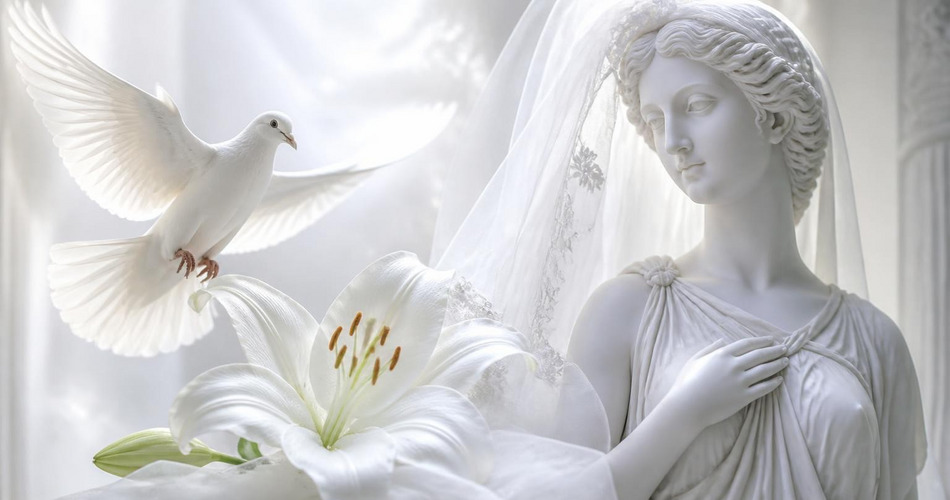
White is one of the most universally recognized colors, often associated with purity, innocence, and cleanliness. Across cultures and eras, it has served as a symbol of new beginnings, spiritual enlightenment, and peace. However, white can also carry negative connotations such as emptiness, coldness, or sterility. Its meaning depends heavily on context, cultural background, and the specific shade of white.
What Does White Color Symbolize?
White primarily symbolizes purity and innocence. In many societies, a bride wears white to signify chastity and new beginnings. The color also represents cleanliness and simplicity, which is why it is commonly used in medical settings and minimalistic design. Additionally, white is linked to spirituality and divinity; in numerous religions, white garments are worn during sacred ceremonies to denote holiness. On a broader scale, white can symbolize peace and surrender, as seen in the white flag.
Positive and Negative Meanings
Positive associations: White is widely connected to goodness, light, and truth. It evokes feelings of calm, clarity, and freshness. In color psychology, white is said to promote mental clarity, encourage organization, and create a sense of spaciousness. It is often used in branding to convey simplicity and elegance.
Negative meanings: White can also represent coldness, isolation, and sterility. An all-white environment may feel clinical or unwelcoming. In some contexts, white is associated with emptiness or a blank slate, which can be interpreted as lacking emotion or personality. Overuse of white in design can appear stark or harsh.
History and Origins of White Symbolism
The symbolic use of white dates back to ancient civilizations. In ancient Egypt, white was associated with the goddess Isis and used in religious rituals. The Greeks wore white robes for purity during ceremonies. In Rome, white togas were worn by candidates for public office to symbolize honesty. During the medieval period, white became the color of the Virgin Mary, reinforcing its association with chastity and virtue. The custom of white wedding dresses became popular in the 19th century after Queen Victoria wore one, cementing white as the bridal color in Western culture.
White Color Symbolism in Different Cultures
In Western cultures, white is predominantly positive—the color of weddings, angels, and peace. In many Eastern cultures, however, white is the color of mourning and funerals. For example, in China, India, and parts of Africa, white garments are worn at funerals to represent the passage of the soul and the purity of the afterlife. In Japan, white is associated with death but also with beginning, as Shinto priests wear white robes. In the Middle East, white is worn by men to reflect heat and symbolize piety. These contrasting meanings highlight how cultural context shapes color symbolism.
Spiritual Meaning of White
Spiritually, white represents divine light, higher consciousness, and purification. Many spiritual traditions use white to signify a state of purity achieved through meditation or prayer. In Christianity, white is the color of Christ’s robe and the souls of the saved. In Buddhism, white represents the perfection of wisdom and the transformation of ignorance. In New Age beliefs, white light is used for healing and protection. The chakra system associates white with the crown chakra, the center of spiritual connection.
White in Myths and Folklore
White animals frequently appear in mythology and folklore as omens or guides. A white stag often leads heroes on a quest in European legends, symbolizing a spiritual journey. The white horse appears in many cultures as a symbol of purity, power, and the sun. In Celtic mythology, white horses were associated with the goddess Epona. The white rabbit in folklore sometimes represents luck or a messenger. However, seeing a white bird, such as a dove, is almost universally seen as a positive sign of peace or divine presence.
White in Dreams
Dreaming of white often relates to new beginnings, clarity, or spiritual awakening. The specific objects and contexts within the dream modify the interpretation. A dream featuring a white room might indicate a desire for simplicity or a fresh start. White clothing can represent purity of intention or a wish to appear innocent. Dreaming of white light is often considered a positive sign of enlightenment or protection.
Common Dream Scenarios
- White wedding dress: May signify commitment, new beginnings, or anxiety about a major life change.
- White animal: Often symbolizes guidance, protection, or a message from the subconscious.
- White flower: Represents purity of emotion, a fresh start, or remembrance.
- White fog: Can indicate confusion or a need for clarity in a situation.
- All-white landscape: May symbolize emptiness, loneliness, or a blank slate.
White in Superstitions and Omens
White is prominent in superstitions around the world. In Western folklore, a white butterfly is believed to bring good luck. Finding a white feather is often seen as a sign from a guardian angel. However, some superstitions are negative: in certain cultures, giving white flowers is considered unlucky because they are associated with funerals. A white cat crossing one’s path is considered good luck in some traditions and bad luck in others. The symbolism of white in superstitions often depends on the object and the specific belief system.
White in Art and Literature
White has been used effectively in art and literature to convey themes of purity, emptiness, or transcendence. In Herman Melville’s novel Moby-Dick, the white whale symbolizes both the sublime and the unknowable, representing the duality of nature. In F. Scott Fitzgerald’s The Great Gatsby, white is associated with Daisy Buchanan’s apparent innocence and the moral emptiness beneath the surface. In visual art, Kazimir Malevich’s painting White on White explores the boundaries of color and form, using white to signify the absolute. In film, the use of white spaces in Stanley Kubrick’s 2001: A Space Odyssey conveys the cold sterility of advanced technology.
White Tattoo Meaning
White ink tattoos have become popular for their subtlety and symbolic meaning. They often represent purity, spirituality, or the idea of being “invisible” to the uninitiated. White tattoos can be a tribute to a loved one or a symbol of new beginnings. However, because white ink fades faster than darker colors, some view it as a symbol of impermanence or the fleeting nature of life. Placement and design significantly influence the personal meaning.
Meanings of Different Shades of White
- Ivory: Warmth, elegance, and tradition; often used in wedding gowns and home decor.
- Off-white: Approachability, softness, and comfort; a less stark alternative to pure white.
- Cream: Gentleness, vintage appeal, and natural simplicity.
- Snow white: Purity, coldness, and stark contrast.
- Pearl white: Sophistication, iridescence, and subtle beauty.
Frequently Asked Questions
Q: What does the color white symbolize in weddings?
A: In Western culture, white symbolizes purity, virginity, and new beginnings, which is why brides traditionally wear white.
Q: Why is white associated with funerals in some cultures?
A: In many Eastern cultures, white represents the purity of the soul’s journey after death and is worn to honor the deceased.
Q: What is the spiritual meaning of seeing white light?
A: White light is often interpreted as a sign of divine presence, protection, or a heightened state of spiritual awareness.
Q: Is white a lucky color?
A: It depends on the culture. In many Western contexts, white is considered lucky for weddings and new ventures, while in some Asian cultures it may be avoided for celebrations.
Related Symbols
- Black – the opposite of white, symbolizing darkness, mystery, or formality.
- Gray – a neutral mix of white and black, representing balance or ambiguity.
- Silver – shares white’s association with purity but adds connotations of wealth and modernity.
- Dove – a white bird universally recognized as a symbol of peace.
- White Flag – an emblem of surrender or truce.