Briefly
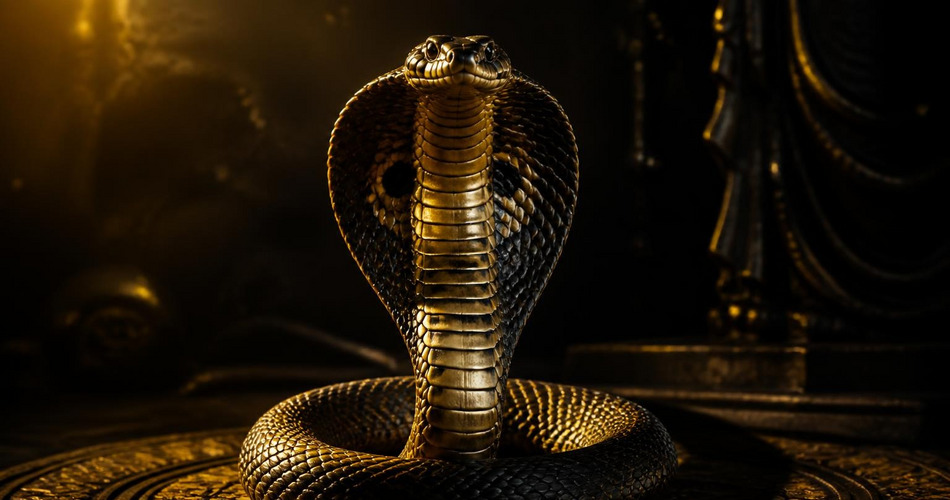
The cobra is one of the most potent animal symbols across cultures, representing a complex blend of protection, power, transformation, and danger. Its iconic hood and venomous strike have made it a symbol of both royal authority and mortal threat. In many traditions, the cobra embodies the dual nature of life and death, creation and destruction, making it a profound emblem of spiritual awakening and hidden wisdom.
What Does Cobra Symbolize?
The cobra primarily symbolizes protection, often serving as a guardian of sacred spaces or treasures. In ancient Egypt, the Uraeus cobra on the pharaoh’s crown represented divine protection and the sovereign’s power over life and death. The cobra also symbolizes transformation due to its shedding of skin, a process linked to rebirth, renewal, and the cycle of life. Additionally, the cobra is associated with fear and danger, as its venom can kill swiftly, but this same quality makes it a symbol of potent, concentrated power. In spiritual contexts, the cobra often represents kundalini energy—the coiled serpent at the base of the spine that, when awakened, leads to enlightenment.
Positive and Negative Meanings
Positive associations: The cobra is revered as a guardian and protector, especially in Hindu and Egyptian traditions. It symbolizes wisdom, royalty, and the ability to overcome obstacles through transformation. The cobra’s shedding of skin is a powerful metaphor for personal growth, healing, and renewal. In yogic philosophy, the cobra represents the dormant spiritual energy that can be awakened for higher consciousness.
Negative meanings: The cobra also embodies danger, deceit, and sudden threat. Its venomous bite is a symbol of hidden malice, betrayal, or a lethal surprise. In many cultures, the cobra is feared as a bringer of death and is associated with dark magic or malevolent spirits. Its hypnotic gaze can represent manipulation or the power to paralyze with fear.
History and Origins of Cobra Symbolism
The cobra’s symbolic significance dates back thousands of years. In ancient Egypt, the cobra (specifically the Egyptian cobra, Naja haje) was deified as the goddess Wadjet, the protector of Lower Egypt. The Uraeus—a stylized upright cobra—was worn on the crowns of pharaohs to symbolize their authority and divine protection. Cobra imagery was also used in funerary art to guard the deceased in the afterlife.
In India, cobras have been venerated since the Indus Valley Civilization (c. 3300–1300 BCE). They appear in Hindu mythology as Nagas, semi-divine serpent beings who guard treasures and control rain. The god Shiva is often depicted with a cobra coiled around his neck, symbolizing his mastery over death and his role as a destroyer and transformer. The cobra also features in Buddhism: the story of the naga king Mucalinda sheltering the Buddha from a storm with his hood is a well-known symbol of protection and meditation.
Cobra Symbolism in Different Cultures
In Hinduism, the cobra is sacred. The festival Nag Panchami is dedicated to snake worship, where cobras are honored as protectors of the home and bringers of rain. The cobra is also associated with the god Vishnu, who rests on the serpent Shesha, and with the goddess Kali, who wears a garland of cobras.
In Buddhism, the cobra Mucalinda is a symbol of protection and the triumph of meditation over fear. The image of the Buddha sheltered by a cobra’s hood is a common motif in Buddhist art, especially in Southeast Asia.
In African cultures, particularly in parts of West Africa, the cobra is seen as a powerful totem animal representing wisdom, royalty, and the ability to communicate with the spirit world. The spitting cobra, in particular, is feared and respected for its unique defense mechanism.
In Western heraldry, the cobra appears less frequently than other serpents, but when it does, it often symbolizes vigilance, danger, and the ability to strike swiftly. The cobra is also used in modern logos and emblems to convey power and protection, such as in the medical symbol of the Rod of Asclepius (though that uses a single serpent, not a cobra specifically).
Spiritual Meaning of Cobra
In spiritual and esoteric traditions, the cobra is a symbol of kundalini—the primal energy believed to lie coiled at the base of the spine. Awakening this energy through meditation or yoga is said to lead to spiritual enlightenment, heightened awareness, and profound transformation. The cobra’s hood is often interpreted as a representation of the expanded consciousness that comes with spiritual awakening. In shamanic practices, the cobra is a spirit animal that guides individuals through periods of change, helping them shed old patterns and embrace new beginnings.
Cobra in Myths and Folklore
In Hindu mythology, the Naga is a class of serpent beings, often depicted as cobras with human-like features. Nagas are guardians of treasures, rivers, and springs, and they possess great wisdom. The Naga king Vasuki was used as a rope to churn the ocean of milk, a central myth in Hindu cosmology. In the epic Mahabharata, the serpent king Takshaka plays a key role in the story of King Parikshit.
In Egyptian mythology, the cobra goddess Wadjet was the protector of the pharaoh and the patron deity of the Nile Delta. She was often depicted as a cobra or a woman with a cobra head. The Uraeus was believed to spit fire at enemies of the pharaoh.
In African folklore, the cobra is sometimes seen as a shape-shifting creature that can take human form, often as a beautiful woman who lures men to their doom. These stories serve as cautionary tales about hidden dangers.
Cobra in Dreams
Dreaming of a cobra often carries intense symbolism. The cobra in a dream may represent a hidden threat, a powerful transformation, or a person in your life who is manipulative or dangerous. Because the cobra is both feared and revered, its appearance in dreams can indicate a need to confront your fears or to tap into your own inner power. The dream context—whether the cobra is aggressive, calm, or shedding its skin—provides further clues.
Common Cobra Dream Scenarios
- Being chased by a cobra: Suggests you are avoiding a serious issue or emotion that feels threatening.
- A cobra biting you: May symbolize a sudden betrayal, a painful truth, or a transformative event that forces change.
- Seeing a cobra with its hood expanded: Represents a warning of danger or a display of power from someone in your life.
- A cobra shedding its skin: Indicates personal growth, renewal, and the release of old habits or beliefs.
- Killing a cobra: Signifies overcoming a major fear or obstacle.
- A cobra in a calm, coiled position: May represent dormant potential or spiritual energy waiting to be awakened.
Cobra in Superstitions and Omens
In many parts of India, seeing a cobra is considered an omen of either great fortune or impending danger, depending on the context. A cobra entering a home is often seen as a sign of blessings from the Nagas, but also requires careful handling to avoid harm. In some traditions, killing a cobra is taboo, as it is believed to bring bad luck or the wrath of the serpent gods. Conversely, feeding cobras or building them shelters is thought to bring prosperity. In Western superstition, the cobra is less common, but its appearance is generally interpreted as a warning of hidden enemies or sudden change.
Cobra in Art and Literature
One of the most famous literary depictions of cobras is in Rudyard Kipling’s The Jungle Book (1894), specifically in the story Rikki-Tikki-Tavi. The cobras Nag and Nagaina are the primary antagonists, representing deadly threat and territorial aggression. Their defeat by the mongoose Rikki-Tikki-Tavi symbolizes the triumph of courage over fear.
In ancient Egyptian art, the cobra appears ubiquitously on royal regalia, temple reliefs, and tomb paintings. The Uraeus is a recurring motif, often shown on the forehead of pharaohs and deities like Horus and Isis. In Hindu art, cobras are depicted around the necks of Shiva and Kali, and in the iconography of Vishnu reclining on the serpent Shesha. The naga is also a common figure in the temple architecture of Southeast Asia, such as at Angkor Wat in Cambodia, where balustrades are carved in the form of multi-headed cobras.
In modern cinema, cobras have been featured in films like The Cobra (1986) starring Sylvester Stallone, though that film uses the cobra primarily as a symbol of the protagonist’s ruthless nature. The cobra also appears in documentaries and nature films as a symbol of exotic danger.
Cobra Tattoo Meaning
A cobra tattoo is a popular design that carries multiple meanings. It often symbolizes protection, power, and transformation. People choose cobra tattoos to represent overcoming fear, embracing change, or as a guardian symbol. In some designs, the cobra is depicted with its hood spread, conveying a sense of readiness and strength. The cobra tattoo can also be a reference to kundalini energy or to one’s spiritual journey. In certain subcultures, the cobra represents rebellion or a dangerous edge.
Meanings of Different Cobra Types and Colors
- King Cobra: The largest venomous snake, symbolizes ultimate power, authority, and the ability to command respect. Its size and intelligence make it a symbol of wisdom and dominance.
- Indian Cobra (Naja naja): Often associated with Hindu mythology and the Nagas, represents protection, spirituality, and the cycle of life and death.
- Egyptian Cobra: Directly linked to the Uraeus and pharaonic power, symbolizes royalty, divine protection, and sovereignty.
- Spitting Cobra: Its unique defense mechanism symbolizes the ability to strike from a distance, often representing cunning or the power of words.
- Black Cobra: Often associated with mystery, the unknown, and hidden dangers. Can also represent the shadow self or unconscious fears.
- White Cobra: Rare in nature, but in symbolism it can represent purity, spiritual enlightenment, or a benevolent guardian.
Frequently Asked Questions About Cobra Symbolism
Q: What does a cobra symbolize in Hinduism?
A: In Hinduism, the cobra symbolizes protection, divine power, and the kundalini energy. It is associated with gods like Shiva and Vishnu, and the Naga beings are revered as guardians of treasures and natural forces.
Q: Is a cobra a good or bad omen?
A: It depends on the culture and context. In many traditions, a cobra can be a positive omen of protection and transformation, but also a warning of danger or betrayal. In Hindu folklore, seeing a cobra is often considered auspicious if it is not aggressive.
Q: What does a cobra tattoo mean?
A: A cobra tattoo commonly represents power, protection, fearlessness, and transformation. It can also signify spiritual awakening or a connection to one’s inner strength.
Q: What does it mean to dream of a cobra?
A: Dreaming of a cobra often points to hidden threats, personal transformation, or the need to confront fears. The specific actions in the dream provide more detail about the message.
Q: Why is the cobra a symbol of royalty?
A: The cobra’s upright posture and hood resemble a crown, and its deadly nature made it a fitting emblem of the pharaoh’s absolute power and divine right to rule. The Uraeus cobra was a direct symbol of the goddess Wadjet and the king’s authority.
Related Symbols
- Uraeus – The stylized cobra of ancient Egyptian royalty, representing protection and sovereignty.
- Naga – Serpent beings in Hindu and Buddhist mythology, often depicted as cobras, symbolizing wisdom and guardianship.
- Kundalini – The coiled spiritual energy represented as a serpent, often a cobra, in yogic traditions.
- Serpent – A broader symbol of transformation, temptation, and life cycles, sharing many meanings with the cobra.
- Mongoose – The natural enemy of the cobra, symbolizing courage and the triumph over fear.