Briefly
The bowl is one of humanity’s oldest and most universal symbols, representing receptivity, nourishment, and provision. As a container that holds food, water, or offerings, it signifies abundance, generosity, and the sustenance of life. At the same time, its open shape invites filling and emptying, making it a powerful emblem of cycles, transformation, and the balance between giving and receiving. Across cultures, the bowl appears in rituals, myths, and daily life, reflecting both material sustenance and spiritual fulfillment.
What Does Bowl Symbolize?
The bowl primarily symbolizes receptivity and the ability to contain and nurture. Its concave shape mirrors the womb, suggesting fertility and the potential for growth. It also represents community and sharing, as communal meals are often served from a single bowl. In many traditions, the bowl is a vessel for offerings—to gods, ancestors, or spirits—making it a bridge between the material and spiritual realms. Its roundness evokes wholeness and eternity, while the act of filling and emptying a bowl can signify the cycles of life, death, and rebirth.
Positive and Negative Meanings
Positive associations: Abundance, nourishment, hospitality, fertility, generosity, spiritual receptivity, community, and the fulfillment of basic needs. The bowl is a symbol of home and hearth, of being cared for and provided for.
Negative meanings: Emptiness, lack, poverty, or unfulfilled desires. A broken bowl can symbolize loss, separation, or the end of a relationship. In some contexts, an overturned bowl may represent rejection or a withdrawal of generosity.
History and Origins of Bowl Symbolism
Archaeological evidence shows that bowls were among the earliest crafted objects, dating back to the Neolithic period. Made from clay, wood, stone, and later metal, they served both utilitarian and ceremonial purposes. In ancient Mesopotamia, bowls were used in ritual libations and as offerings in temples. In Egypt, bowls were buried with the dead to provide sustenance in the afterlife. The Greek phiale (a shallow bowl) was used for pouring wine in honor of the gods. The Roman salinum (salt bowl) symbolized hospitality and covenant. Throughout history, the bowl’s symbolism has been tied to the fundamental human need for sustenance and the sacred act of sharing food.
Symbolism of Bowls in Different Cultures
In Buddhist culture, the alms bowl (pātra) is a central symbol of monastic life, representing simplicity, humility, and the interdependence between monks and laypeople. The Buddha’s own bowl is said to have been given by the four guardian kings and later became a relic. In Hinduism, the bowl (kumbha) is associated with the pot of abundance, often depicted in creation myths and fertility rites. The Chinese tradition uses the bowl as a symbol of unity and completeness; the practice of sharing rice from a common bowl reinforces family bonds. In African cultures, carved wooden bowls are used in communal eating and in rituals to honor ancestors, symbolizing shared life and continuity. In Christian symbolism, the bowl appears as the Holy Grail—the vessel that held Christ’s blood at the Crucifixion, representing divine grace and spiritual quest.
Spiritual Meaning of the Bowl
Spiritually, the bowl represents the receptive soul, open to divine grace and wisdom. It is a symbol of the feminine principle—the womb of creation that receives and nurtures life. In meditation and prayer, visualizing a bowl can help one cultivate an attitude of openness and surrender. The bowl is also associated with the heart chakra as a container of love and compassion. In many spiritual traditions, offering a bowl of water, rice, or flowers is an act of devotion, acknowledging that all gifts come from a higher source. The empty bowl, paradoxically, is full of potential—a reminder that receptivity is as important as action on the spiritual path.
Bowls in Myths and Folklore
The most famous mythical bowl is the Holy Grail, the elusive vessel sought by knights in Arthurian legend. It symbolizes divine grace, spiritual fulfillment, and the ultimate quest. The Grail is often depicted as a bowl or cup with miraculous properties—healing the wounded and providing endless food. In Greek mythology, the bowl of Hygieia was used to hold the serpent of Asclepius, becoming the symbol of pharmacy and healing. The Celtic myth of the Cauldron of the Dagda, a magical cauldron that never emptied, represents abundance and regeneration. In Hindu mythology, the pot of nectar (amrita kumbha) emerged from the churning of the ocean, granting immortality to the gods. These myths underscore the bowl as a source of life, healing, and transcendent power.
Bowls in Superstitions and Omens
Breaking a bowl is often considered an omen—in many cultures, it symbolizes a rift in relationships or financial loss. However, in some traditions, breaking a bowl during a wedding is thought to bring good luck, as the pieces cannot be mended, symbolizing an unbreakable union. Giving a bowl as a gift can signify the wish for abundance and hospitality. An overturned bowl may be seen as a rejection of blessings or a warning of impending scarcity. In folk magic, a bowl of salt placed near the entrance is believed to absorb negative energy and protect the home.
Bowls in Art and Literature
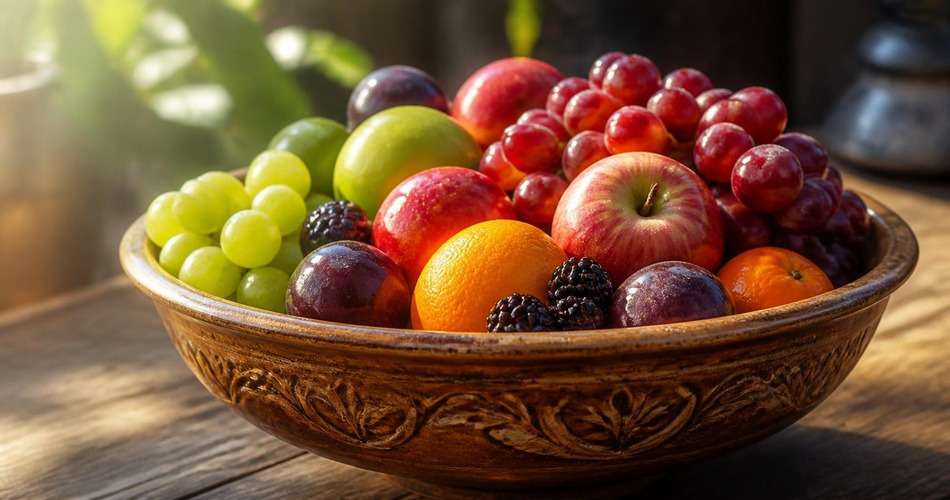
In art, the bowl frequently appears in still-life paintings, most notably in Caravaggio’s Basket of Fruit (c. 1599), where the overflowing basket (reminiscent of a bowl) symbolizes abundance and the fleeting nature of life. Vanitas paintings often include a bowl of fruit or a tipped vessel to remind viewers of mortality. In literature, Henry James’s novel The Golden Bowl (1904) uses the titular object as a central symbol of perfection, hidden flaws, and the fragility of relationships. In Chinese poetry, the image of a cracked bowl is used to evoke nostalgia and the irreparable past. The bowl’s simple form makes it a versatile symbol across genres, representing everything from domestic comfort to existential emptiness.
Meanings of Different Types of Bowls
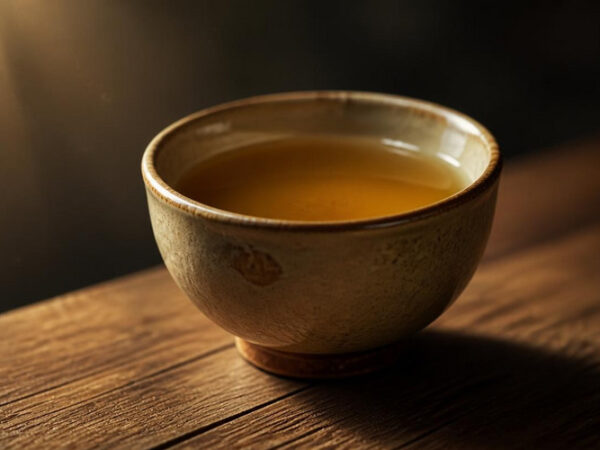
- Ceramic bowl: Represents earth, tradition, and craft. Often used in ritual and daily life.
- Wooden bowl: Symbolizes natural simplicity, warmth, and connection to nature.
- Metal bowl (e.g., brass, silver): Associated with wealth, status, and ritual purity.
- Glass bowl: Represents transparency, vulnerability, and clarity of intention.
- Offering bowl: Specifically used in religious practices; symbolizes devotion and surrender.
- Empty bowl: A symbol of potential, humility, or poverty depending on context.
- Overflowing bowl: Emblem of abundance, prosperity, and generosity.
Frequently Asked Questions About Bowl Symbolism
Q: What does an empty bowl symbolize spiritually?
A: An empty bowl spiritually represents receptivity and readiness to receive—whether that be grace, knowledge, or material provision. It can also signify a period of lack or waiting, depending on the context.
Q: Is a bowl a symbol of femininity?
A: Yes, the bowl’s concave shape and association with containing and nurturing make it a strong symbol of the feminine principle, the womb, and maternal care.
Q: What does breaking a bowl mean?
A: Breaking a bowl is often seen as a bad omen, signifying separation, loss, or the end of a cycle. However, in some wedding traditions, it is deliberately done to ward off evil spirits and symbolize a bond that cannot be undone.
Q: Why is the bowl used in religious offerings?
A: The bowl is used because it can hold offerings such as food, water, or incense, symbolizing the giver’s devotion and the act of giving back to the divine. Its round shape also represents wholeness and eternity.
Related Symbols
- Grail – the sacred bowl of Christian myth, representing divine grace
- Cauldron – a larger vessel of transformation and rebirth in Celtic lore
- Platter – a flat dish symbolizing service and presentation
- Cup – a smaller vessel for drinking, associated with communion and intimacy
- Chalice – a ceremonial cup symbolizing spiritual authority
- Pot – a container for cooking, representing alchemy and nourishment