Briefly
Flying is one of the most universal and potent symbols in human experience, representing the desire to transcend earthly limitations, gain a higher perspective, and achieve liberation. It embodies freedom from constraints — whether physical, social, or psychological — and the aspiration to reach new heights of understanding or spiritual awareness. At the same time, flying can symbolize hubris, escape from responsibility, or a loss of grounding. Its meaning shifts across contexts, from the exhilaration of flight in dreams to the cautionary tales of Icarus in mythology.
What Does Flying Symbolize?
Flying primarily symbolizes freedom — the ability to move without restriction, to rise above obstacles, and to see the world from a broader vantage point. It is associated with liberation from gravity, both literal and metaphorical, and with the pursuit of higher goals or ideals. In many traditions, flight represents spiritual ascent, the soul’s journey toward enlightenment, or communion with the divine.
The act of flying also conveys perspective. From above, details recede and patterns emerge, suggesting clarity, objectivity, and the ability to see the bigger picture. This makes flying a symbol of wisdom, foresight, and intellectual or emotional detachment.
On a personal level, flying can symbolize ambition, aspiration, and the drive to achieve greatness. It may also represent escape — from problems, responsibilities, or oppressive circumstances — which can be either positive (seeking freedom) or negative (avoiding reality).
Positive and Negative Meanings
Positive associations: Flying is overwhelmingly linked to positive concepts: liberation, joy, exhilaration, achievement, transcendence, and spiritual growth. In dreams, flying often evokes feelings of euphoria and boundless possibility. Culturally, flight is celebrated as a triumph over nature — from the Wright brothers’ first airplane to the myth of Daedalus. It represents human ingenuity, courage, and the relentless pursuit of progress.
Negative meanings: Flying also carries darker connotations. The myth of Icarus, who flew too close to the sun and fell, warns against overreaching ambition and hubris. Flight can symbolize instability, a lack of grounding, or an unwillingness to face reality. In some contexts, flying may represent a desire to escape from problems rather than solve them, leading to irresponsibility or disconnection. Nightmares of falling after flying reflect anxieties about loss of control or failure.
History and Origins of the Symbolism
The symbolism of flying is as old as human consciousness. Early cave paintings and shamanic traditions depict figures with wings or in flight, suggesting that the desire to fly is deeply rooted in the human psyche. Ancient Mesopotamian myths feature flying creatures and gods who traverse the skies. In Greek mythology, the story of Daedalus and Icarus — one of the earliest recorded narratives about human flight — explores themes of ingenuity, ambition, and consequence.
Throughout history, flight has been associated with the divine. Angels, gods, and spirits are often depicted with wings, emphasizing their transcendence of mortal limitations. The development of hot air balloons, gliders, and airplanes in the modern era transformed flight from a mythical aspiration into a tangible reality, yet its symbolic power only grew. The first successful flights in the early 20th century were hailed as monumental achievements, reinforcing the symbolism of human mastery over nature.
Symbolism in Different Cultures
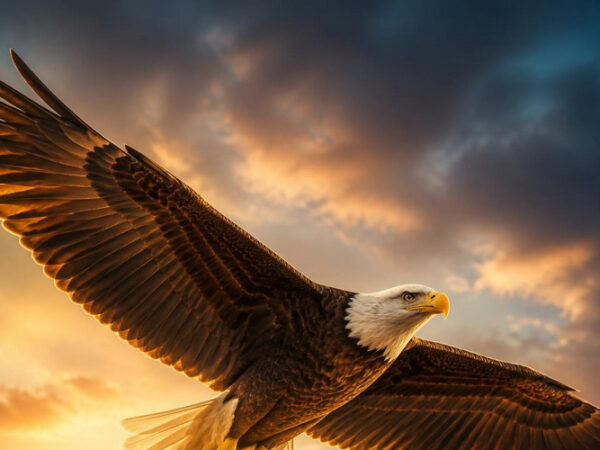
In Native American traditions, flying is often associated with the eagle, a sacred bird that carries prayers to the Creator and represents vision, courage, and spiritual power. The eagle’s flight is seen as a bridge between earth and sky, and eagle feathers are used in rituals to invoke these qualities.
In Chinese culture, flying dragons symbolize imperial power, good fortune, and the ability to control the elements. The dragon’s flight is a sign of cosmic harmony and divine favor. In Taoist philosophy, the concept of «riding the wind» represents living in harmony with the natural flow of the universe.
In Hinduism and Buddhism, flying is a metaphor for spiritual liberation (moksha or nirvana). Deities like Garuda, a half-human, half-eagle creature, embody swiftness and the power to overcome obstacles. Meditative practices aim to «lift» the mind above worldly concerns, achieving a state of inner flight.
In Western folklore, witches flying on broomsticks symbolize both supernatural power and transgression of social norms. This image, popularized in medieval Europe, reflects fears of female autonomy and the unknown, while also representing a rebellious escape from earthly constraints.
Spiritual Meaning
In spiritual contexts, flying is a powerful metaphor for the soul’s ascent. Many mystical traditions describe out-of-body experiences or astral projection as a form of flight, where the spiritual self leaves the physical body and travels freely. This is often interpreted as a sign of spiritual awakening or progress.
In Christian mysticism, ecstatic visions sometimes involve levitation or flying, as reported by saints such as Teresa of Ávila. Such experiences are seen as gifts of divine grace, a temporary union with the divine that transcends earthly existence.
In shamanic practices, flying — often through trance or ritual — is a core technique for journeying between worlds. Shamans «fly» to the spirit realm to seek guidance, healing, or knowledge for their community. This symbolic flight represents the shaman’s ability to transcend ordinary reality and access hidden truths.
In Myths and Folklore
The most famous myth about flying is the Greek story of Daedalus and Icarus. Daedalus, a master craftsman, builds wings of feathers and wax for himself and his son to escape from Crete. Icarus, overcome by the thrill of flight, ignores his father’s warning and flies too close to the sun, melting his wings and falling into the sea. The myth serves as a cautionary tale about the dangers of unchecked ambition and the importance of heeding wisdom.
In Norse mythology, the god Odin rides an eight-legged horse, Sleipnir, who can fly through the air, symbolizing Odin’s ability to traverse all realms. The Valkyries, warrior maidens, fly over battlefields to choose slain heroes and carry them to Valhalla, representing the transition between life and death.
In Arabian Nights, the story of the flying carpet illustrates the magical power of flight to transport heroes across vast distances, often to accomplish quests or escape danger. The carpet symbolizes effortless travel and the ability to overcome geographical barriers.
In folklore from around the world, flying creatures such as dragons, griffins, and winged horses appear as symbols of power, mystery, and the connection between earth and sky. These beings often guard treasures or serve as mounts for gods and heroes, reinforcing the link between flight and the divine or heroic.
In Dreams
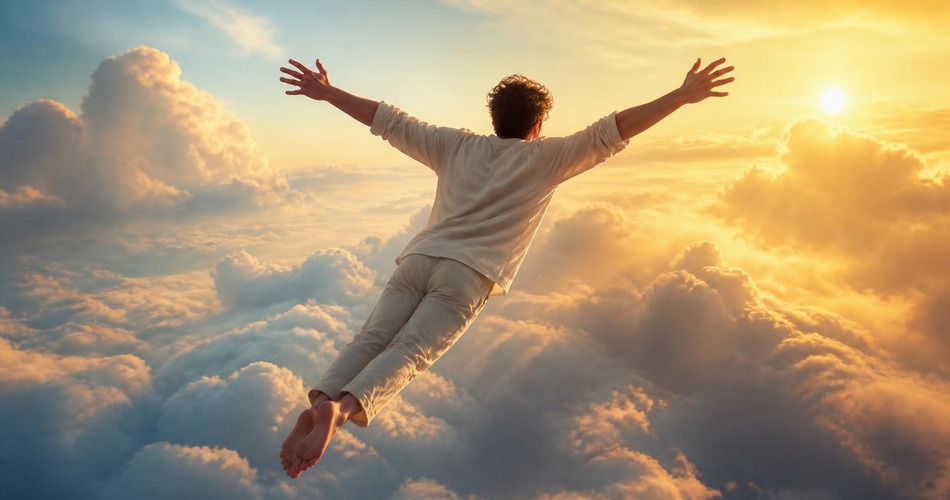
Flying is one of the most common and memorable dream themes. In dream interpretation, flying often reflects a sense of freedom, empowerment, and release from waking-life pressures. It can indicate that the dreamer is overcoming obstacles or gaining a new perspective on a situation. The sensation of flying in dreams is frequently described as joyful and liberating.
However, flying dreams can also reveal anxieties. Difficulty flying — such as struggling to stay aloft or flying too low — may symbolize feelings of inadequacy or lack of control. Flying that turns into falling often represents a fear of failure or loss of status. Recurring flying dreams may point to a deep desire for escape or transcendence in one’s waking life.
Common Dream Scenarios
- Soaring effortlessly — feeling powerful and free; often indicates confidence, success, or a positive outlook.
- Flying low or barely above ground — may suggest that the dreamer feels held back or lacks the full freedom they desire.
- Flying with difficulty — struggling to stay in the air can reflect self-doubt, external pressures, or unresolved issues.
- Flying and then falling — a common anxiety dream representing fear of failure, loss of control, or a sudden reversal of fortune.
- Flying over familiar places — gaining a new perspective on one’s life, relationships, or environment.
- Flying with others — shared goals, teamwork, or a sense of connection and mutual support.
In Superstitions and Omens
Superstitions about flying are often tied to birds and their behavior. In many cultures, seeing a bird flying from left to right is considered auspicious, while from right to left may be a bad omen. The flight path of birds has been used for divination since ancient times, a practice known as augury in Roman culture.
Dreaming of flying is sometimes regarded as a sign of upcoming success or spiritual growth, but in some folk traditions, it can also warn against overreaching or taking unnecessary risks. The appearance of flying insects, such as dragonflies or butterflies, is often seen as a positive omen of change or transformation.
In maritime folklore, the Flying Dutchman — a ghost ship doomed to sail forever — is an omen of disaster for sailors who sight it. This legend uses the idea of unnatural, endless flight (over the sea) as a symbol of punishment and eternal wandering.
In Art and Literature
Flying has been a central theme in art and literature for centuries. In Greek mythology, the story of Icarus has been depicted in countless paintings, such as Pieter Bruegel the Elder’s «Landscape with the Fall of Icarus» (c. 1560), where the tragic fall is almost unnoticed amidst everyday life — a commentary on human indifference to suffering.
In literature, Richard Bach’s novella «Jonathan Livingston Seagull» (1970) uses flying as a metaphor for spiritual perfection and the pursuit of higher knowledge. The seagull’s relentless practice of flight symbolizes the quest for self-mastery and transcendence beyond physical limits.
In modern cinema, the 1986 film «Top Gun» celebrates the thrill and danger of flying fighter jets, associating flight with heroism, competition, and personal growth. Conversely, the animated film «The Little Prince» (2015, based on Antoine de Saint-Exupéry’s book) uses the aviator’s flight as a framing device for exploring imagination, loss, and the search for meaning.
In poetry, Emily Dickinson’s poem «I felt a Funeral, in my Brain» uses the image of a «plank in reason, broke» and then a «plunge» — a kind of mental flight and fall — to describe a descent into madness. The contrast between flying and falling is a recurring motif in literature, symbolizing the precarious balance between aspiration and disaster.
Frequently Asked Questions
Q: What does it mean if I dream about flying?
A: Flying dreams often symbolize a desire for freedom, a sense of empowerment, or a new perspective on a situation. They can also reflect a wish to escape from stress or limitations. The specific details — how you fly, where, and how you feel — provide clues to the personal meaning.
Q: Is flying always a positive symbol?
A: Not always. While flying is generally positive, it can also represent hubris, overambition, or a refusal to face reality. The myth of Icarus is a classic example of flying as a warning against excessive pride.
Q: What does flying symbolize in spirituality?
A: In many spiritual traditions, flying symbolizes the soul’s ascent toward enlightenment or union with the divine. It can represent out-of-body experiences, shamanic journeying, or mystical transcendence.
Q: Why do some cultures associate flying with evil or witchcraft?
A: In medieval Europe, the ability to fly was often attributed to witches, who were believed to fly on broomsticks to Sabbaths. This association stemmed from fears of female power and the subversion of natural order, making flying a symbol of transgression and the supernatural.
Related Symbols
- Birds — natural flyers, symbols of freedom and transcendence
- Wings — the means of flight, representing aspiration, protection, and spiritual elevation
- Air — the element of flight, associated with intellect, communication, and movement
- Icarus — the archetypal figure of ambitious flight and tragic fall
- Eagle — a powerful bird of prey, symbolizing vision, courage, and divine connection
- Feathers — light and airy, representing truth, freedom, and the ability to rise