Briefly
The witch is a powerful and complex symbol that has evolved over centuries, embodying both fear and reverence. Traditionally associated with magic, the supernatural, and feminine power, the witch represents the untamed aspects of nature and the human psyche. In many cultures, the witch symbolizes wisdom, healing, and connection to the natural world, but also danger, evil, and the unknown. The duality of the witch reflects society’s ambivalence toward female independence, knowledge, and spiritual authority.
What Does Witch Symbolize?
The witch symbolizes magic, transformation, and the ability to influence events through supernatural means. She is often seen as a guardian of ancient knowledge, herbal medicine, and the cycles of nature. The witch also represents the shadow self—the hidden, repressed, or feared aspects of the human psyche. In a broader sense, the witch embodies rebellion against established norms, particularly patriarchal structures, and the reclaiming of female autonomy. Additionally, the witch is a symbol of the liminal space between the mundane and the magical, the known and the unknown.
Positive and Negative Meanings
Positive associations: The witch is often viewed as a wise woman, healer, or cunning herbalist who uses her knowledge of plants and natural remedies to help her community. She symbolizes empowerment, independence, and a deep connection to the earth and its cycles. In modern contexts, the witch represents self-discovery, spiritual growth, and the embrace of one’s authentic power.
Negative meanings: Historically, the witch has been demonized as a malevolent being who consorts with evil spirits, casts harmful spells, and brings misfortune. She symbolizes temptation, deceit, and the corrupting influence of forbidden knowledge. The negative stereotype of the witch has been used to justify persecution, particularly of women who defied social expectations.
History and Origins of Witch Symbolism
The origins of witch symbolism are deeply rooted in ancient pagan traditions and pre-Christian beliefs. In many early societies, individuals with knowledge of herbs, midwifery, and natural magic were respected as wise women or shamans. With the rise of Christianity, these figures were increasingly associated with devil worship and heresy. The witch hunts of the 15th to 18th centuries, particularly in Europe and colonial America, cemented the witch as a symbol of evil and danger. During this period, tens of thousands of people—mostly women—were executed on charges of witchcraft. The Malleus Maleficarum (1487), a treatise on witchcraft, codified the persecution and spread fear across the continent. In the 20th century, the witch was reclaimed by feminist movements and modern pagan traditions as a symbol of female power and resistance.
Witch Symbolism in Different Cultures
In European folklore, the witch is often depicted as an old crone living in the forest, brewing potions and casting spells. In Slavic traditions, the Baba Yaga is a witch-like figure who is both helper and hindrance, representing the ambiguous nature of wisdom. In African and Afro-Caribbean traditions, witches are often associated with shape-shifting and the use of magic for both healing and harm. In many Native American cultures, medicine women and shamans hold similar roles to witches, using spiritual knowledge for the community’s benefit. In Japanese folklore, the yōkai and oni sometimes exhibit witch-like qualities, though the concept is less defined. The modern Wicca movement, emerging in the mid-20th century, reimagined the witch as a practitioner of benevolent nature-based magic.
Spiritual Meaning of Witches
In a spiritual context, the witch symbolizes the pursuit of hidden knowledge and the mastery of one’s own destiny. She represents the divine feminine and the sacred connection to the earth, moon, and cycles of life. Many contemporary spiritual practitioners view the witch as a guide for personal transformation, shadow work, and the integration of light and dark aspects of the self. The witch also embodies the concept of intention—the power of focused will to manifest change in the physical world.
Witch in Myths and Folklore
Witches appear prominently in myths and folklore worldwide. In Greek mythology, Circe is a sorceress who transforms men into animals, representing the dangerous allure of magic. The Norse figure of the völva was a seeress and practitioner of seiðr, a form of magic associated with fate. In the Brothers Grimm fairy tales, witches are often antagonists, such as the witch in “Hansel and Gretel” who lures children to her gingerbread house. The Wicked Witch of the West from L. Frank Baum’s “The Wonderful Wizard of Oz” is a classic example of the malevolent witch archetype. In Celtic folklore, the bean sí (banshee) is a female spirit whose wailing foretells death, sometimes linked to witch-like powers.
Witch in Dreams
Dreaming of a witch often reflects the dreamer’s relationship with their own power, intuition, or repressed fears. A witch may appear as a symbol of the shadow self, representing aspects of the personality that are denied or suppressed. Alternatively, the witch can signify a need for transformation, healing, or the reclaiming of personal authority. The context of the dream is crucial: a benevolent witch may offer guidance, while a hostile witch may indicate inner conflict or external threats.
Common Dream Scenarios
- Being chased by a witch: Often symbolizes feeling threatened by one’s own hidden desires or by a powerful, controlling figure in waking life.
- Becoming a witch: Suggests a desire for empowerment, independence, or the development of spiritual abilities.
- Meeting a friendly witch: May represent inner wisdom, intuition, or the need to trust one’s instincts.
- Witch casting a spell: Can indicate feelings of being manipulated or influenced by others, or a need to take control of a situation.
Witch in Superstitions and Omens
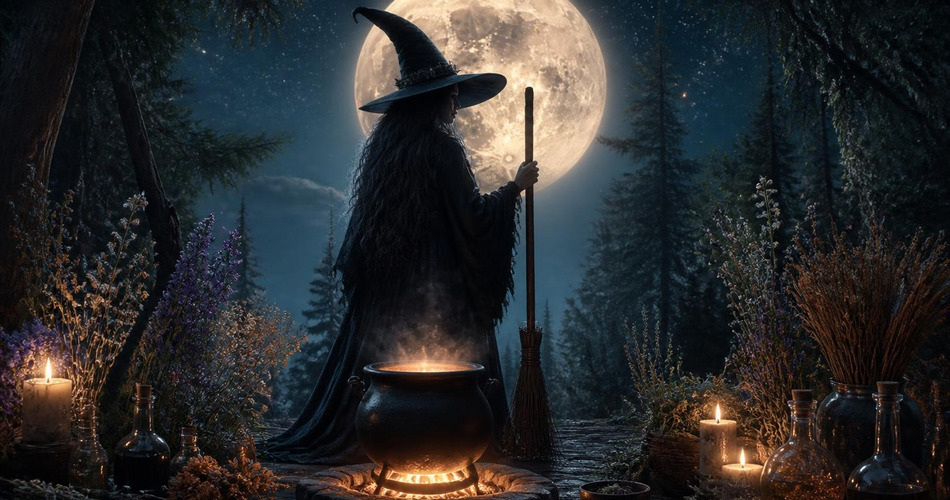
Superstitions about witches vary widely. In many European traditions, a witch was believed to be able to curse livestock, cause crop failures, or bring illness. Protective measures included hanging horseshoes, placing brooms by the door, or wearing amulets of rowan wood. Black cats were thought to be witches’ familiars or even witches in disguise. Seeing a witch flying on a broomstick was considered a bad omen, often associated with storms or misfortune. In some cultures, leaving offerings of milk or honey was thought to appease witches and prevent harm.
Witch in Art and Literature
The witch has been a recurring figure in art and literature for centuries. In visual art, Albrecht Dürer’s engraving “The Witch” (c. 1500) depicts an old woman riding a goat, emphasizing the grotesque and dangerous aspects. In literature, William Shakespeare’s “Macbeth” features the three witches (the Weird Sisters) who prophesy and manipulate events, embodying fate and malevolence. In modern fiction, J.K. Rowling’s “Harry Potter” series presents witches as both heroic and villainous, normalizing magic within a structured society. The film “The Wizard of Oz” (1939) contrasts the Good Witch Glinda with the Wicked Witch of the West, illustrating the dual nature of the archetype. In contemporary art, the witch is often reclaimed as a symbol of feminist resistance, as seen in the works of artists like Leonora Carrington and Remedios Varo.
Witch Tattoo Meaning
Witch tattoos are popular symbols of personal power, mystery, and a connection to nature. Common motifs include a witch on a broomstick, a cauldron, a pentagram, or a crescent moon. These tattoos often represent the wearer’s embrace of their own magic, intuition, or rebellious spirit. For some, a witch tattoo signifies a commitment to Wiccan or pagan beliefs. The imagery can also serve as a reminder of the strength found in feminine energy and the courage to defy societal norms.
Meanings of Different Types of Witches
- Green witch: Focuses on herbalism, plants, and the natural world, symbolizing healing and earth connection.
- Hedge witch: Works with spirit travel and the liminal spaces between worlds, representing intuition and the subconscious.
- Kitchen witch: Practices magic through cooking and home rituals, symbolizing domestic power and nourishment.
- Sea witch: Draws on the energy of the ocean, representing depth, emotion, and the unknown.
- Cosmic witch: Works with astrology, stars, and celestial cycles, symbolizing universal connection and destiny.
Frequently Asked Questions
Q: What does a witch symbolize in modern culture?
A: In modern culture, the witch often symbolizes female empowerment, independence, and a connection to nature and spirituality. She is also a symbol of rebellion against patriarchal norms.
Q: Are witches always evil?
A: No, witches are not inherently evil. In many traditions, witches can be benevolent healers and wise women. The evil witch stereotype was largely shaped by historical persecution and folklore.
Q: What is the difference between a witch and a Wiccan?
A: Wicca is a modern pagan religion that incorporates witchcraft, but not all witches are Wiccan. Witchcraft is a practice, while Wicca is a specific spiritual path with its own beliefs and rituals.
Q: Why are witches often depicted with brooms?
A: The broom is a symbol of domestic work and, in folklore, was believed to be used by witches for flying to sabbats. It also represents the sweeping away of negative energy.
Related Symbols
- Broom – tool of the witch, symbolizing purification and flight
- Cauldron – vessel for transformation and magic
- Pentagram – protective symbol often associated with witchcraft
- Black cat – familiar of the witch, symbol of mystery and luck
- Moon – celestial body linked to witch’s power and intuition
- Herbs – tools of the green witch, representing healing and magic