Briefly
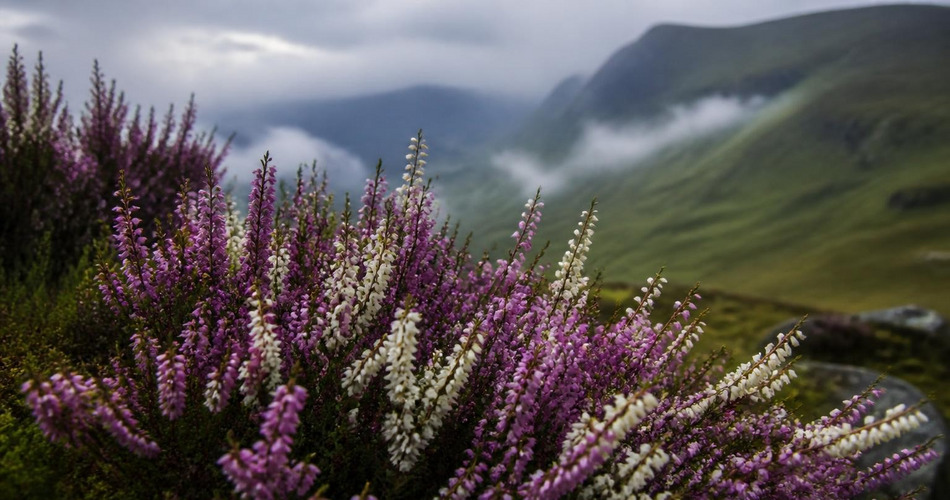
Heather is a hardy evergreen shrub native to Europe and Asia, most famously associated with the wild landscapes of Scotland. Its symbolism is deeply tied to resilience, protection, and good luck, often representing the ability to thrive in harsh conditions. In the Victorian language of flowers, heather conveyed admiration and solitude, while in Scottish tradition it has long been a symbol of national pride and romantic devotion.
What Does Heather Symbolize?
Heather is a powerful symbol of resilience, embodying the ability to flourish in poor soil and harsh climates. It is widely regarded as a protective plant, used for centuries to ward off evil spirits and bring good fortune. In the language of flowers, heather represents admiration and beauty, while white heather specifically signifies protection and the fulfillment of wishes. Its deep connection to Scotland makes it a potent emblem of national identity, heritage, and the untamed beauty of the natural world.
Positive and Negative Meanings
Positive associations: Heather is overwhelmingly seen as a positive symbol. It represents good luck, protection from harm, and the enduring strength of love and friendship. Its ability to cover barren moors in vibrant color makes it a symbol of hope and perseverance. White heather, in particular, is cherished as a charm for good fortune and new beginnings.
Negative meanings: In some contexts, particularly the Victorian language of flowers, heather could symbolize solitude or a sense of being alone, stemming from its tendency to grow in vast, isolated moorlands. In certain English folk traditions, it was considered unlucky to bring heather into the house, a belief that starkly contrasts with its positive reputation in Scotland.
History and Origins of the Symbolism
The symbolic association of heather with protection and luck dates back to ancient times. The Picts in Scotland used heather to make ale, and the plant was woven into bedding and thatch for its believed protective properties. Norse mythology links heather to the goddess Freya, associating it with love and passion.
The modern association of white heather with good luck was popularized by Queen Victoria, who was given a sprig of white heather by a Highlander during a visit to the Scottish Highlands. She kept it as a lucky charm, sparking a lasting trend. Since then, white heather has been a traditional wedding favor and a gift for good luck.
Symbolism in Different Cultures
Scotland: Heather is the unofficial national flower of Scotland. It was used by clans as a badge of allegiance and identity. The MacDonalds and MacAlisters, for example, are associated with heather. The saying “Heather in the heart of a Scot” reflects its deep cultural resonance.
Celtic Tradition: The Celts revered heather as a sacred plant. It was used in rituals for protection, healing, and connecting with the Otherworld. It was often burned as incense or carried as an amulet.
Victorian England: In the intricate language of flowers, known as floriography, heather had a dual meaning. While purple heather symbolized beauty and admiration, white heather was a symbol of protection and the granting of wishes.
Spiritual Meaning
Spiritually, heather is a grounding and protective plant. It is often used in meditation to connect with the earth and find inner strength. Its energy is believed to be calming and purifying, making it a popular choice for smudging and cleansing rituals in modern pagan practices. Heather is also seen as a bridge between the physical and spiritual worlds, often planted near homes or carried for protection during spiritual journeys.
In Myths and Folklore
The most famous Scottish legend tells of Malvina, who wept for her lost love, the warrior Oscar. Her tears fell on the barren hills, and the fairies, moved by her grief, transformed them into the first white heather. This is why white heather is considered so lucky—it is a gift born from pure love and sorrow.
In the Highlands, it was believed that heather would only grow where the blood of a fallen warrior had been spilled. It was also used to make a traditional ale, which was said to be the secret of the Picts’ strength and longevity. Carrying a sprig of heather was a common charm against witchcraft and the evil eye.
In Dreams
In the tradition of dream interpretation, heather often appears as a symbol of protection, good fortune, and a deep connection to one’s heritage or roots. Dreaming of heather can also reflect a desire for solitude or a need for resilience in the face of challenges.
Common Dream Scenarios
- Walking through a field of heather: Represents a journey of self-discovery, a return to one’s roots, or finding peace in solitude.
- Picking white heather: An omen of good luck, a new romantic beginning, or the fulfillment of a long-held wish.
- Seeing heather on a barren landscape: Symbolizes finding hope, resilience, and beauty in a difficult or desolate situation.
In Superstitions and Omens
Heather is one of the most potent plants in European superstition. White heather is universally considered a powerful lucky charm, especially when given as a gift. It is a traditional component of bridal bouquets in Scotland to ensure a happy marriage.
Conversely, in some parts of England, it was considered bad luck to bring heather into the house, as it was believed to bring bad weather or conflict. This stark difference in belief highlights the deeply regional nature of heather’s symbolism.
In Art and Literature
Heather is a central motif in Scottish Romanticism. The poet Robert Burns frequently evoked the heather-covered hills in his work, most notably in the poem “The Birks of Aberfeldy,” where the landscape of heather is integral to the poem’s romantic and nationalistic themes.
Sir Walter Scott’s works, such as the poem “The Lady of the Lake” and the novels of the Waverley series, are steeped in the imagery of the Scottish Highlands, with heather serving as a constant backdrop for tales of adventure and clan loyalty. In the 19th century, heather became a popular subject in Victorian landscape painting, particularly by artists of the Glasgow School, who captured its vibrant purple hues across the moors.
Tattoo Meaning
A heather tattoo is a deeply personal symbol, often chosen to represent a connection to Scottish or Celtic heritage. It can also symbolize resilience, protection, and the enduring nature of love. White heather tattoos are popular as a symbol of good luck and new beginnings. The design often incorporates the delicate bell-shaped flowers and is sometimes paired with thistles or other Celtic imagery.
Meanings of Different Types, Colors, or Variations
- White Heather: The most auspicious variety, symbolizing protection, good luck, and the fulfillment of wishes. It is the classic charm for new beginnings.
- Purple / Pink Heather: The most common type, representing beauty, admiration, and solitude. It is a symbol of the wild Scottish landscape.
- Bell Heather (Erica cinerea): Often specifically associated with good luck and protection in Scottish folklore, distinct from the common ling heather (Calluna vulgaris).
Frequently Asked Questions
Q: What does heather symbolize?
A: Heather primarily symbolizes protection, good luck, resilience, and admiration. It is also a strong emblem of Scottish national identity.
Q: Why is white heather considered lucky?
A: White heather is considered lucky due to its rarity in the wild and its association with the Scottish legend of Malvina and Oscar, as well as Queen Victoria’s popularization of it as a lucky charm.
Q: Is heather the national flower of Scotland?
A: Yes, heather is widely regarded as the unofficial national flower of Scotland, representing the rugged beauty and resilience of the country and its people.
Related Symbols
- Thistle: The official national emblem of Scotland, sharing heather’s symbolism of resilience and protection.
- Lavender: Another purple-flowering shrub associated with protection, purification, and calm.
- Broom: A hardy shrub of the British landscape, often symbolizing purification and abundance.
- Scottish Bluebell: Another iconic Scottish wildflower, representing gratitude and humility.