Briefly
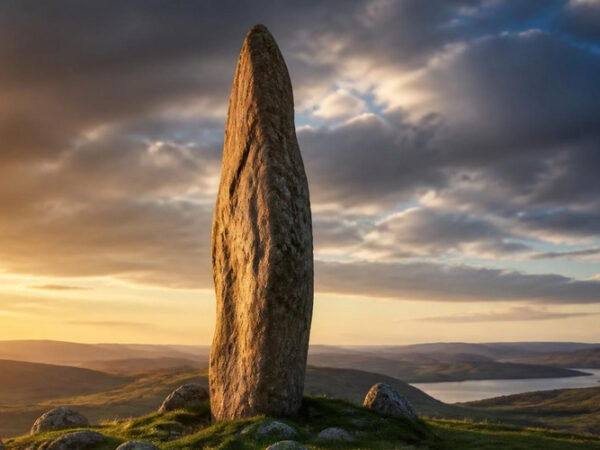
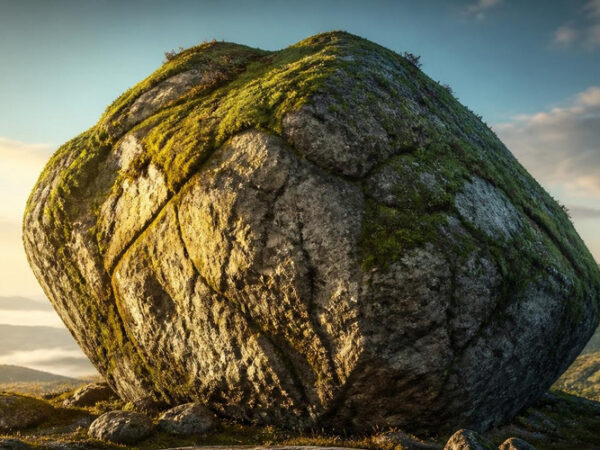
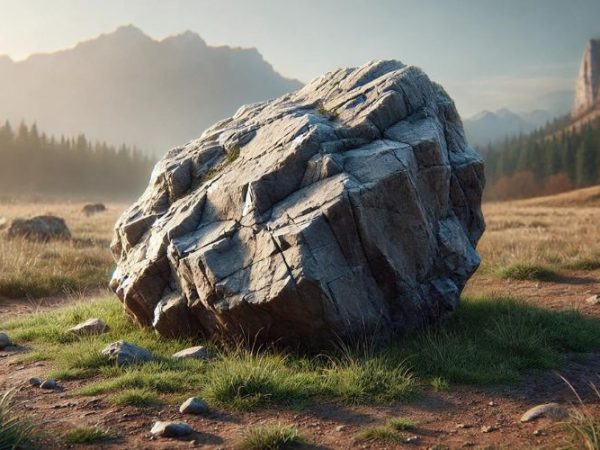
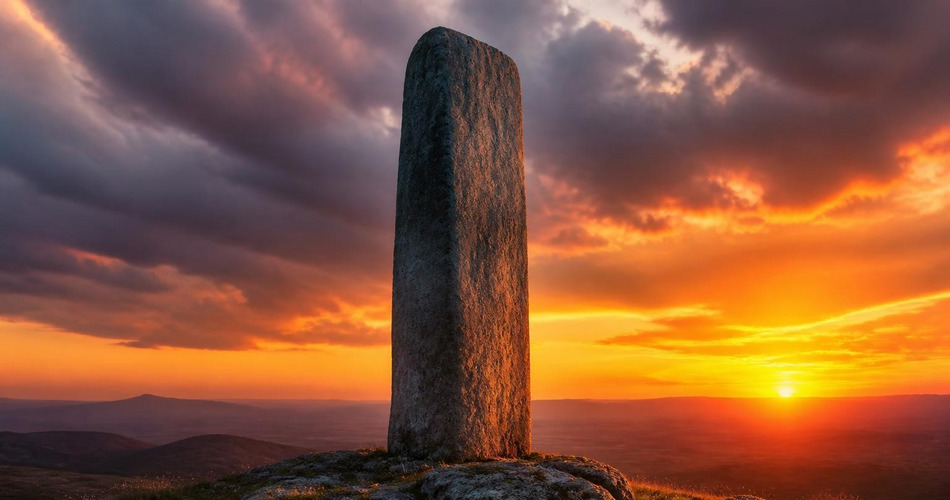
A monolith is a single, massive stone or rock formation, often standing upright or isolated. It symbolizes endurance, permanence, and a connection between the earthly and the divine. Monoliths evoke feelings of awe and mystery, representing the unchanging and the eternal. They can also signify solitude, strength, and the profound power of nature.
What Does the Monolith Symbolize?
A monolith primarily symbolizes endurance and stability. Its sheer size and ancient presence suggest something that has withstood the test of time, unchanged by the elements. This makes it a powerful emblem of permanence and resilience. At the same time, the monolithic form often points to a connection between the earth and the sky, between the mundane and the spiritual, acting as a silent sentinel or a marker of sacred space. Its often solitary nature also lends it connotations of isolation, mystery, and the sublime power of the natural world.
Positive and Negative Meanings
Positive associations: Monoliths are seen as positive symbols of strength, endurance, and unwavering stability. They represent something solid and reliable in a changing world, a foundation that cannot be easily moved or broken. They can also inspire a sense of wonder and connection to history.
Negative meanings: Negatively, a monolith can represent isolation, loneliness, and an overwhelming, unfeeling force. Its immovability can suggest oppression or an unyielding obstacle. Its mystery can also evoke fear of the unknown or a sense of being dwarfed by an indifferent, ancient power.
History and Origins of the Symbolism
The symbolic power of monoliths is ancient and widespread. From the standing stones of the Neolithic period, like those at Carnac in France, to the moai statues of Easter Island, humans have erected large, solitary stones for millennia. The most famous example is Stonehenge in England, a circle of monoliths whose astronomical alignments suggest they were used for ritual and calendar purposes. The term “monolith” comes from the Greek words monos (single) and lithos (stone), literally meaning “single stone.” Many such stones were erected as boundary markers, burial monuments, or as part of religious sites, linking the community to their ancestors and the cosmos. Their sheer size and the effort required to move and erect them made them powerful symbols of a community’s collective strength, devotion, and connection to the sacred landscape.
Monolith Symbolism in Different Cultures
In many ancient cultures, monoliths were imbued with spiritual significance. In Celtic and pre-Celtic Europe, they were seen as dwelling places for spirits or gods, and as markers of sacred places. The famous Pictish stones of Scotland carry intricate carvings, blending Christian and earlier symbols. In Mesoamerica, the Olmecs carved colossal stone heads, likely representing rulers, while the Maya erected stelae (upright stone slabs) to commemorate significant events and rulers. In Australia, certain large rock formations, like Uluru, are considered sacred by the Aboriginal people; they are not just geological features but are central to their creation myths and spiritual traditions. Across cultures, the monolith has served as a medium for expressing power, documenting history, and marking the boundary between the known and the unknown.
Spiritual Meaning of the Monolith
In spiritual terms, a monolith often represents a bridge between the material and spiritual worlds. Its vertical form suggests an axis mundi, a world axis that connects heaven and earth. Standing stones have been used for meditation, prayer, and ritual, their enduring presence offering a place of focus and grounding. The monolith’s silent, unmoving nature can symbolize the eternal and unchanging aspect of the spirit, in contrast to the ever-changing physical world. It can also represent the concept of the “primal stone” or foundational truth upon which all other things are built.
Monolith in Myths and Folklore
Monoliths feature prominently in folklore across the globe. In British folklore, standing stones are often said to be petrified giants, dancers turned to stone for breaking the Sabbath, or people punished for some transgression. For example, the Hurlers in Cornwall are a group of standing stones legend says are men turned to stone for playing hurling on a Sunday. In some traditions, moving or damaging a standing stone would bring bad luck, as they were seen as protected by supernatural forces. African and Asian folklore also contain stories of large stones being the homes of spirits or the remains of ancient heroes. These stories often serve to explain the origin of these impressive monuments and reinforce their power as places of legend and mystery.
Monolith in Dreams
Dreaming of a monolith can carry several meanings depending on the context. It often represents something solid, permanent, and unchanging in the dreamer’s life, such as a core belief, a major responsibility, or a fundamental relationship. It can also symbolize a sense of being overwhelmed by an unmovable obstacle or a feeling of isolation and solitude. Because of its monumental size, the dream may be pointing to something of great importance or a significant challenge that needs to be acknowledged.
Common Dream Scenarios Involving Monoliths
- Standing before a monolith: This may symbolize facing a major life challenge or an important truth you have been avoiding. It can also represent a moment of awe or revelation.
- Climbing a monolith: Suggests a struggle to overcome a difficult situation or achieve a lofty goal. The climb may be arduous but the view from the top represents a new perspective.
- A towering, threatening monolith: This can reflect feelings of oppression, being crushed by responsibility, or fear of an overwhelming, immovable force in your waking life.
- A monolith with carvings or markings: May indicate that there are hidden messages or ancient wisdom available to you if you take the time to study and learn.
Monolith in Superstitions and Omens
In many folk traditions, standing stones are considered potent sources of luck or ill fortune. They are often associated with fertility and good harvests; it was sometimes believed that touching or leaning against a monolith could help a woman conceive. Conversely, they were also seen as boundary markers that should not be disturbed, as doing so might anger the spirits or guardians of the place. In some areas, it was considered bad luck to remove a stone from its original position or to damage one. Seeing a monolith in a dream was sometimes interpreted as an omen of a long journey or a significant change that would have enduring consequences.
Monolith in Art and Literature
One of the most famous literary uses of a monolith is by Arthur C. Clarke in his 1968 novel 2001: A Space Odyssey (and the subsequent film by Stanley Kubrick). Here, the black monolith is an alien artifact that acts as a catalyst for evolution, appearing at key moments in human prehistory and future. It symbolizes the immense, unknown power of an advanced intelligence and the mystery of human consciousness. In visual art, the monolith form has been used by artists like Andy Goldsworthy, who creates large, temporary sculptures using natural materials, often including massive stones that echo ancient standing stones. Ansel Adams’ famous photographs of El Capitan and Half Dome in Yosemite capture the sublime, monolith-like grandeur of natural rock formations, emphasizing their power and age.
Meanings of Different Types, Colors, or Variations
- Standing stones (menhirs): These are the most classic form, often solitary or in groups. They symbolize commemoration, sacred space, and a connection to ancestors.
- Carved monoliths (e.g., Moai, stele): When carved into human or animal forms, they specifically represent deified ancestors, rulers, or significant historical figures, blending the monolith’s power with the subject’s identity.
- Natural monoliths (e.g., Uluru, Giant’s Causeway): These geological formations emphasize nature’s power and age, and are often deeply spiritual sites in indigenous cultures, symbolizing the connection to the earth and creation stories.
Frequently Asked Questions About Monolith Symbolism
Q: What is the primary symbolism of a monolith?
A: The primary symbolism is endurance, permanence, and stability. It represents something unchanged over vast periods of time.
Q: What does it mean if I dream of a monolith?
A: A monolith in a dream often represents a core, unchanging aspect of your life—a major belief, responsibility, or challenge. It can also signify a feeling of being overwhelmed by something immovable.
Q: Are monoliths always spiritual in meaning?
A: While many ancient and indigenous cultures treat monoliths as sacred objects, their symbolism also includes physical and psychological meanings such as strength, isolation, and the power of nature.
Q: What is the negative symbolism of a monolith?
A: Negatively, a monolith can represent oppression, an insurmountable obstacle, or the crushing weight of tradition or authority. It can also suggest loneliness and isolation.
Related Symbols
- Standing stone – A specific type of monolith (often called a menhir) that serves similar symbolic functions.
- Obelisk – A tall, four-sided, tapering monument, often associated with ancient Egypt and solar symbolism.
- Rock – A more general symbol of stability, strength, and endurance, but without the specific connotation of being a single, massive stone.
- Mountain – A larger natural feature that similarly symbolizes permanence, the sacred, and a connection between earth and sky.
- Altar – A stone structure used for rituals, often sharing the monolith’s link to spirituality and sacrifice.