Briefly
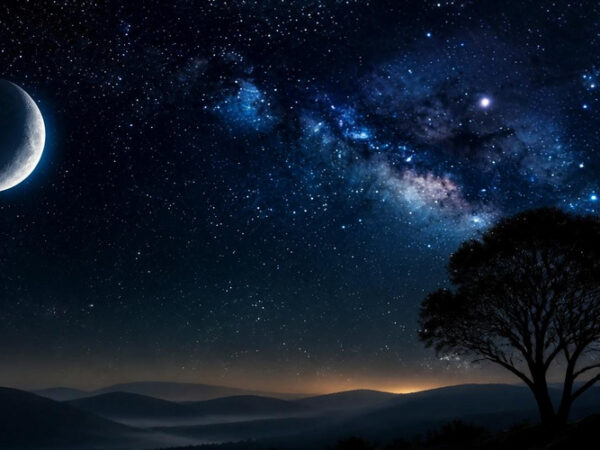
Heavenly bodies—the sun, moon, stars, planets, and other celestial objects—have been central to human symbolism for millennia. Across cultures, they represent cosmic order, divinity, time, guidance, and the cycle of life. These luminous entities often embody deeper spiritual principles, such as the light of knowledge, the rhythm of seasons, and the connection between the earthly and the divine. Their enduring presence in the sky makes them universal symbols of constancy and mystery.
What Does Heavenly Body Symbolize?
Heavenly bodies collectively symbolize the cosmic order that governs the universe. The sun is associated with vitality, authority, and consciousness; the moon with intuition, cycles, and the subconscious; stars with hope, destiny, and guidance; and planets with archetypal forces and personal growth. Their predictable movements—day and night, lunar phases, planetary transits—have long served as metaphors for life’s rhythms and the passage of time. In many traditions, they are seen as divine messengers or celestial deities that influence human affairs.
Positive and Negative Meanings
Positive associations: Heavenly bodies are commonly linked with light, warmth, life, growth, spiritual illumination, stability, and the promise of renewal. The sun’s daily return brings hope, while the moon’s waxing inspires growth and intention. Stars provide navigation and a sense of wonder. These associations foster feelings of security, purpose, and connection to a greater whole.
Negative meanings: In contrast, heavenly bodies can also symbolize distance, coldness, and indifference. The sun’s heat may burn or scorch, representing harsh judgment or overwhelming power. Eclipses and comets have historically been interpreted as omens of disaster or change. The moon’s waning phase can signify loss, decline, or emotional withdrawal. Darkness brought by the absence of these lights may evoke fear or uncertainty.
History and Origins of Heavenly Body Symbolism
The earliest human societies observed the sky and embedded its phenomena into their cosmologies. Archaeological evidence, such as stone circles and cave paintings, shows that tracking celestial bodies was central to calendars, agriculture, and ritual. The Tagbanwa people of the Philippines, for example, incorporate the heavenly body Buntala into a midwinter ceremony where its meridian passage marks a sacred moment for purification and community celebration. Similarly, the Baltic solar goddess Saulė was honored as the source of life and fertility, while the Norse moon god Máni governed the night sky and its cycles. These ancient beliefs laid the foundation for later astrological, religious, and philosophical systems that assigned moral and spiritual meaning to the stars.
Heavenly Body Symbolism in Different Cultures
In Mesopotamian and Egyptian traditions, the sun was personified as a powerful god (Shamash, Ra) who judged the dead and ensured order. In ancient Greece, the sun (Helios) and moon (Selene) were personified, while planets were linked to Olympian deities. Chinese cosmology uses the heavenly bodies to illustrate the balance of yin and yang, with the sun representing yang (active, masculine) and the moon yin (receptive, feminine). In Hinduism, Surya (the sun) and Chandra (the moon) are major deities influencing time and life. Indigenous North American cultures often see the sun as a creator and the stars as ancestors or guides. The Tagbanwa ritual with Buntala exemplifies how heavenly bodies serve as temporal and spiritual markers, synchronizing human activity with cosmic cycles.
Spiritual Meaning of Heavenly Bodies
In spiritual contexts, heavenly bodies are often regarded as beacons of divine presence. The sun represents the highest self, enlightenment, and the source of all life. The moon symbolizes the soul, the unconscious, and the emotional currents that ebb and flow. Stars are frequently viewed as celestial guides—spiritual beings or souls of the departed—offering direction and comfort. Many meditation and prayer practices involve gazing at the sky to feel connected to the infinite. Astrology, which interprets the positions of planets and luminaries, treats these bodies as mirrors of human personality and destiny, reinforcing the belief that the macrocosm reflects the microcosm.
Heavenly Bodies in Myths and Folklore
Myths worldwide depict heavenly bodies as active characters with distinct personalities and roles. The Norse god Máni, mentioned in the Poetic Edda, drives the moon chariot across the sky, chased by wolves during eclipses. The Baltic goddess Saulė rode a horse across the sky, her tears forming dew. The Tagbanwa Buntala ritual shows how a specific star’s culmination marks a rite of passage. Many folktales explain solar and lunar eclipses as a celestial beast devouring the sun or moon, a motif found in Norse, Chinese, and Indonesian legends. These narratives were not simply entertainment—they encoded knowledge about seasons, navigation, and moral order, and they reinforced community bonds through shared celestial events.
Heavenly Bodies in Dreams
Dreams featuring heavenly bodies are among the most common and emotionally charged. The sun in a dream often represents clarity, confidence, or a new beginning—but also excessive pride if it is overwhelming. A bright moon may symbolize hidden emotions or the feminine aspect of the dreamer. Seeing stars can indicate hope, a sense of wonder, or guidance through uncertainty. Planets appearing in dreams may point to broader life changes or aspects of one’s personality tied to astrological archetypes. These symbols are highly personal, and their meaning often depends on the dreamer’s emotional response and cultural background.
Common Dream Scenarios Involving Heavenly Bodies
- Flying toward the sun or moon: Represents reaching for high ideals, ambition, or spiritual aspiration; if the body burns, fear of failure or judgment.
- Watching an eclipse: May signify a significant change, a hidden truth being revealed, or a temporary loss of clarity.
- Counting stars: Reflects a desire for order, hope for abundance, or contemplation of one’s place in the universe.
- A huge, close planet glowing in the sky: Could symbolize a dominant influence or an overwhelming issue that demands attention.
- The sky suddenly darkening without a moon or stars: Often associated with anxiety, loss of direction, or depression.
Heavenly Bodies in Superstitions and Omens
Throughout history, heavenly bodies have been closely monitored for omens. A shooting star is often considered a sign of good luck or the granting of a wish in Western folklore, but in some traditions it warns of approaching change. Eclipses have been feared as unlucky, prompting rituals to protect against harm. The appearance of a comet was frequently interpreted as a herald of disaster or the death of a ruler, as recorded in ancient Chinese and European annals. Planetary conjunctions were seen as powerful alignments that could affect kingdoms and harvests. Even today, many people regard these celestial events as meaningful thresholds, whether through astrology or personal superstition.
Heavenly Bodies in Art and Literature
Heavenly bodies have inspired countless artistic and literary works. Vincent van Gogh’s painting “The Starry Night” (1889) swirls the night sky into an emotional landscape, expressing the artist’s wonder and inner turmoil. The sun and moon appear frequently in ancient Egyptian tomb paintings, symbolizing the eternal journey of the soul. In literature, Shakespeare’s Sonnet 14 uses astrological imagery to describe his beloved’s influence: “Not from the stars do I my judgement pluck.” Dante’s Divine Comedy ends with a vision of the celestial rose made of stars, representing divine love. In modern film, Stanley Kubrick’s “2001: A Space Odyssey” uses the monolith and the alignment of the sun, moon, and earth to evoke cosmic evolution and transcendence. These examples show how heavenly bodies serve as metaphors for knowledge, fate, beauty, and the sublime.
Heavenly Body Tattoo Meaning
Tattoos of heavenly bodies are popular for their visual appeal and symbolic depth. A sun tattoo often represents life, strength, and new beginnings; a moon tattoo can signify femininity, change, or protection. Star tattoos commonly denote guidance, ambition, or a person’s “star” (destiny). Planet tattoos may reflect a connection to astrology or the appreciation of cosmic beauty. Combining these elements—like a crescent moon with stars—creates a personal emblem of the universe’s balance. These designs are chosen to affirm one’s place in the cosmos and carry deeply personal meanings that vary by culture and individual story.
Frequently Asked Questions
Q: What is the difference between a star and a planet in symbolism?
A: Stars are often seen as fixed points of light symbolizing destiny, hope, and constancy, while planets, which move across the sky, represent change, influence, and archetypal energies in astrology.
Q: Why are eclipses considered significant symbols?
A: Eclipses are powerful transitions that temporarily alter the familiar order of day and night, making them symbols of disruption, hidden truths, and major life changes across many cultures.
Q: Is there a universal meaning for the sun and moon together?
A: In many traditions, the sun and moon together represent the duality of the universe—masculine and feminine, light and darkness, conscious and unconscious—and their union symbolizes harmony and wholeness.
Related Symbols
- Sun – vitality, authority, consciousness
- Moon – intuition, cycles, femininity
- Stars – guidance, destiny, hope
- Planets – archetypal forces, personal growth
- Eclipse – transformation, hidden truths
- Comet – change, omens, portents
- Constellation – order, mythology, navigation