Briefly
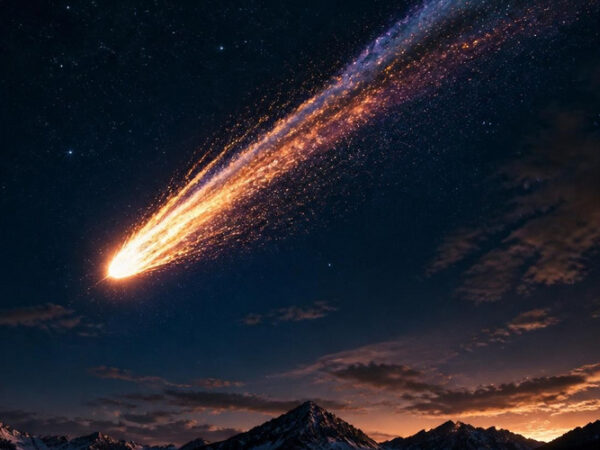
A meteor shower is a celestial event where multiple meteors are observed to radiate from one point in the night sky. These displays of shooting stars have long captured human imagination, symbolizing hope, wishes, transformation, and the fleeting nature of life. Across cultures, meteor showers are seen as messages from the divine, moments for introspection, and reminders of our connection to the cosmos. Their sudden brilliance and rapid extinction make them powerful symbols of beauty, change, and the impermanence of all things.
What Does Meteor Shower Symbolize?
Meteor showers primarily symbolize transformation, hope, and the fulfillment of wishes. The streaks of light against the dark sky represent the sudden arrival of insight or opportunity. They are often associated with renewal, as the debris from comets burns up to create spectacular displays. In many traditions, seeing a meteor shower is a call to reflect on one’s life path and embrace change. The ephemeral nature of each meteor reminds us to cherish the present moment and let go of attachments.
Positive and Negative Meanings of Meteor Showers
Positive associations: Meteor showers are usually seen as auspicious signs, bringing hope, inspiration, and the promise of new beginnings. They are linked to the power of intention—making a wish upon a shooting star is a widespread practice. The collective experience of a meteor shower can foster a sense of wonder and unity, reminding us of the vastness of the universe and our place within it. They also symbolize clarity, as the brief flash of light can illuminate hidden truths.
Negative meanings: In some interpretations, meteor showers can represent chaos, unpredictability, or destruction, as the fireballs appear suddenly and vanish. Historically, they were sometimes viewed as omens of disaster, war, or the downfall of rulers, especially when meteors appeared in large numbers or with unusual colors. Their transient nature can also symbolize loss or missed opportunities, emphasizing the briefness of human endeavors.
History and Origins of Meteor Shower Symbolism
Ancient cultures observed meteor showers long before their scientific understanding. The word meteor comes from Greek meteoron, meaning «thing in the air.» Early astronomers in China, Babylon, and Greece recorded meteor showers, often interpreting them as messages from gods or forecasts of earthly events. The Perseid meteor shower, for example, has been observed for over 2,000 years and was linked to the Greek myth of Perseus. In medieval Europe, meteor showers were sometimes associated with angels or demons, depending on the context. The symbolic meaning evolved with science: after the connection between comets and meteor streams was discovered in the 19th century, they became symbols of cosmic cycles and renewal rather than solely omens.
Meteor Shower Symbolism in Different Cultures
In Chinese culture, meteor showers were often recorded as celestial portents, believed to reflect the will of heaven. Emperors would consult astronomers to interpret the meaning of shooting stars, which could signify change in dynasty or natural disasters. In Japanese folklore, shooting stars (nagareboshi) are seen as souls returning to the heavens or as markers of good fortune. Native American tribes, such as the Lakota, viewed meteor showers as spirits traveling across the sky, connected to the renewal of life. In Hindu tradition, meteors are sometimes associated with deities and considered auspicious during certain festivals. Across these cultures, the common thread is the perception of meteor showers as bridges between the mundane and the divine.
Spiritual Meaning of Meteor Showers
Spiritually, meteor showers are seen as moments of heightened cosmic energy, ideal for meditation and setting intentions. The practice of making wishes on shooting stars aligns with the belief that the universe hears and responds to our deepest desires. Many consider meteor showers to be a time when the veil between worlds is thin, allowing for spiritual insights and connection with higher realms. The repeated streaks of light can represent a shower of blessings or a cleansing of negative energies.
Meteor Showers in Myths and Folklore
Meteor showers feature prominently in world mythology. The Perseid meteor shower is directly linked to the story of Perseus, the Greek hero who beheaded Medusa; the meteors are said to be the sparks from her eyes. The Leonid meteor shower is associated with the constellation Leo and has been recorded for centuries. In some African folklore, shooting stars are considered the spirits of ancestors moving through the sky. Aboriginal Australian traditions view meteor showers as celestial fires or the journeys of sky beings. These stories imbue meteor showers with meanings of heroism, guidance, and connection to the past.
Meteor Showers in Dreams
Dreaming of a meteor shower often carries symbolic weight. Such dreams frequently reflect a period of change, emotional release, or the arrival of new ideas. The meteors’ brightness can symbolize clarity or sudden realizations, while their burning trail may represent the end of a cycle. The context of the dream—such as the color of the meteors, the emotions felt, and the surroundings—can alter the interpretation. Common themes include transformation, fear of chaos, and the desire for wish fulfillment.
Common Dream Scenarios About Meteor Showers
- Watching a vibrant meteor shower – signifies hope, excitement, and positive upcoming changes.
- Meteors falling close to you – indicates that a major life shift is imminent or a hidden truth is about to surface.
- Dark or red meteors – may warn of conflict, inner turmoil, or destructive emotions.
- Being struck by a meteor – can symbolize a sudden trauma or an overwhelming realization that changes your perspective.
Making a wish during a meteor shower – represents your deepest desires and the belief that they can manifest.
Meteor Showers in Superstitions and Omens
Throughout history, meteor showers have been surrounded by superstition. In many European traditions, seeing a shooting star was considered a good omen, especially for travelers and lovers. The phrase «wish upon a star» likely stems from ancient beliefs that stars had the power to grant requests. However, in some cultures, a meteor shower was interpreted as a sign that a great leader had died or that war was imminent. In Slavic folklore, falling stars were thought to be souls of the dead being taken by demons. The ambiguity—lucky for some, ominous for others—reflects the dual nature of these celestial events.
Frequently Asked Questions About Meteor Showers
Q: What does a meteor shower symbolize in general?
A: Meteor showers are widely seen as symbols of hope, transformation, wishes, and the fleeting beauty of life. They also represent cosmic renewal and the connection between Earth and the heavens.
Q: Are meteor showers considered lucky?
A: In many cultures, yes. Making a wish on a shooting star is a common practice, and meteor showers are often associated with positive change and divine blessings. However, in some historical contexts they were viewed as omens of disaster.
Q: What does it mean to dream of a meteor shower?
A: Dreaming of a meteor shower typically indicates upcoming change, emotional release, or new insights. The specifics depend on the dream’s context, such as the colors and proximity of the meteors.
Q: How are meteor showers used in spiritual practices?
A: Many people use meteor shower events for meditation, setting intentions, or connecting with cosmic energy. The hours of a meteor shower are considered potent for manifestation and grounding.
Related Symbols
- Shooting Stars – individual meteors, often used as symbols of wishes and fleeting moments.
- Comets – larger celestial bodies that produce meteor showers; symbolize prophecy, change, and disaster in some cultures.
- Stars – the fixed points of light associated with guidance, destiny, and eternity.
- Constellations – patterns of stars that often give names to meteor showers and carry mythological meanings.
- Light – the sudden illumination of meteors represents knowledge, truth, and awakening.