
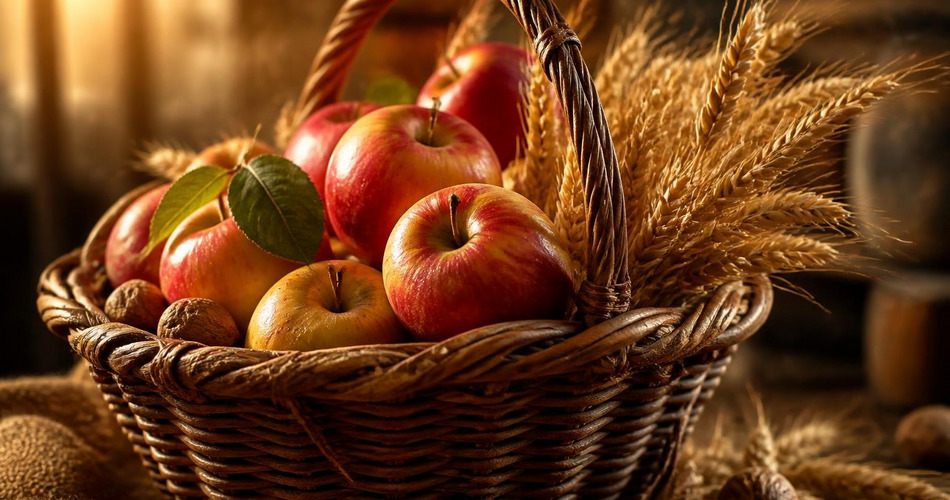
Briefly
A basket, as one of humanity’s oldest containers, symbolizes nurture, abundance, and the ability to hold and carry life’s essentials. It represents gathering, harvest, and provision, but also can signify burden, containment, or emptiness depending on context. Across cultures and spiritual traditions, baskets are associated with fertility, community, and the cyclical nature of giving and receiving.
What Does Basket Symbolize?
A basket is fundamentally a vessel for carrying and storing items, and its symbolic meanings arise from this core function. It represents the act of gathering—whether of food, resources, or experiences. Baskets are often symbols of abundance and prosperity, as they are used to collect harvests and carry goods to market. They also symbolize nurturing and motherhood, as they hold and protect what is placed inside, much like a cradle or a womb. In many cultures, baskets are woven by hand, representing craftsmanship, tradition, and the interconnection of community life. The open weave of a basket can symbolize transparency and receptivity, while a tightly woven basket suggests security and preservation. Empty, a basket may represent potential or waiting; full, it represents fulfillment and generosity.
Positive and Negative Meanings
Positive associations: Baskets evoke feelings of warmth, home, and sustenance. They are linked to harvest festivals, family gatherings, and the sharing of food. In spiritual contexts, a basket can symbolize the receiving of divine blessings or the containment of sacred items. Basket weaving itself is seen as a meditative, creative act that connects the weaver to nature and tradition.
Negative meanings: Conversely, a basket may represent a burden, especially if it is overly full or heavy to carry. It can suggest being trapped or contained, as in the phrase “basket case.” An empty basket may symbolize loss, scarcity, or unfulfilled expectations. In some contexts, baskets used for carrying refuse or waste can carry associations with discard or impermanence.
History and Origins of Basket Symbolism
Basketry is among the oldest crafts, dating back tens of thousands of years. Early humans used woven containers to gather and store food, seeds, and tools. This practical origin imbued baskets with survival meanings: they were essential for collecting wild grains, berries, and shellfish, and later for storing harvested crops. Over time, baskets became ceremonial objects. In many ancient societies, baskets were used in religious rites to offer first fruits to deities, symbolizing gratitude and the cycle of give-and-take with nature. The symbolic association with fertility is strong because baskets were used to cradle newborns and to carry eggs or seeds. The woven pattern itself—over and under, interlocking—has been interpreted as a metaphor for the interwovenness of life, community, and destiny. As trade developed, baskets became symbols of commerce and exchange, carrying goods across regions and cultures.
Basket Symbolism in Different Cultures
In many Indigenous North American traditions, baskets are highly significant, both practically and symbolically. The Pomo people of California, for example, create intricate coiled baskets that are considered masterpieces of art and are used in ceremonies. The basket is seen as a microcosm of the universe, with its spiral patterns representing the journey of life. In African cultures, baskets are often associated with community and hospitality. The Zulu people weave colorful baskets for storing food and for gift-giving, where a filled basket symbolizes welcome and abundance. In Chinese culture, baskets have been used for centuries in festivals and as containers for offerings. The bamboo basket is a common symbol of strength and flexibility, as bamboo itself represents resilience. In European folklore, baskets appear in fairy tales like Little Red Riding Hood (the basket of food for grandmother) and Hansel and Gretel (the basket of bread crumbs), often as symbols of nourishment, care, or resourcefulness. In Hinduism, baskets are used in puja (worship) to hold offerings of fruits, flowers, and sweets, symbolizing devotion and surrender to the divine.
Spiritual Meaning of Basket
Spiritually, the basket represents the human soul or consciousness as a container for experiences, knowledge, and virtues. Just as a basket holds physical items, the spirit holds intentions and memories. An open basket suggests receptivity to divine guidance or spiritual growth. In shamanic traditions, baskets may be used as ritual tools to carry healing herbs, sacred stones, or to represent the womb of the Earth Mother. The act of weaving is itself a spiritual metaphor: each strand is a choice, a prayer, or a relationship, and the finished basket is a completed life or teaching. Some traditions view the basket as a symbol of protection, as it can shield its contents from harm and keep them safe.
Basket in Myths and Folklore
One of the most famous baskets in myth is the basket of reeds that carried the infant Moses in the biblical Exodus story. This basket—made waterproof with pitch and bitumen—floated on the Nile, symbolizing survival, divine providence, and rescue. In Greek mythology, the basket (cista mystica) was used in the Eleusinian Mysteries to hold sacred objects revealed to initiates, representing hidden knowledge and transformation. In Native American folklore, the “basket woman” or “basket maker” is often a wise elder who weaves baskets that trap evil spirits or bring good luck. In Japanese folklore, the story of “The Basket of Rice” tells of a poor woman whose empty basket miraculously fills with rice after she shares what little she has, illustrating generosity and the magic of giving. These stories highlight the basket as a vessel of both physical and spiritual sustenance, often bridging the human and divine realms.
Basket in Dreams
In dream interpretation, baskets often relate to how the dreamer is “holding” or “carrying” aspects of their life. A full basket may indicate abundance, satisfaction, or a sense of being well-provided for. An empty basket can signify feelings of lack, need, or waiting for something to come. The condition of the basket matters: a broken or leaking basket suggests resources being wasted or a situation not holding together. The act of carrying a basket may reflect responsibilities or burdens the dreamer is bearing. Baskets made of natural materials like wicker or straw connect to nature and grounding. The specific contents of the basket, if visible, provide further clues to the dream’s meaning.
Common Dream Scenarios
- Carrying a heavy basket: Suggests you are burdened by responsibilities or tasks that feel overwhelming.
- Finding an empty basket: May indicate feelings of emptiness, loss, or unmet expectations in your waking life.
- Receiving a basket of gifts or food: Represents abundance, generosity from others, or emotional nourishment coming your way.
- Dropping or spilling a basket: Could signify missed opportunities, wasted efforts, or a fear of losing what you have gathered.
- Weaving a basket yourself: Reflects creativity, patience, and the process of building something meaningful in your life.
Basket in Superstitions and Omens
Various superstitions surround baskets. In some European traditions, it is considered bad luck to give an empty basket as a gift, as it may symbolize emptiness or a lack of blessings. Instead, it is customary to place a small item like a coin or a piece of bread inside before giving. In Appalachian folklore, a basket left on a doorstep might be an omen of a visitor or a gift arriving. In parts of Asia, a basket turned upside down is thought to ward off evil spirits, as it “covers” or confines negative energy. In farming communities, the sight of a full basket at the start of the harvest season is seen as a positive omen for a fruitful year. Conversely, a broken basket is often seen as a sign of wasted effort or impending loss.
Basket in Art and Literature
Baskets appear in many notable works. In visual art, Vincent van Gogh’s painting “Still Life with Basket of Apples” (1885) uses a simple woven basket to contain the apples, emphasizing rural life and the beauty of ordinary objects. The basket’s humble texture contrasts with the vibrant fruit, symbolizing the relationship between container and contained. In literature, the basket is central to “Little Red Riding Hood,” where the basket of food represents care for family but also becomes a tool of deception when the wolf steals it. In the biblical story of Moses, the basket is a vessel of salvation and destiny. In modern fiction, the basket in Lois Lowry’s “The Giver” is used as a metaphor for memory and choice, though more symbolically. In poetry, baskets often appear as symbols of the body or the home, holding memories or love.
Basket Tattoo Meaning
Basket tattoos are less common but carry meaningful symbolism. They can represent agricultural heritage, a connection to nature, and the wearer’s role as a nurturer or provider. A basket filled with fruits or flowers symbolizes abundance and gratitude. A woven basket pattern may be chosen for its aesthetic appeal and its representation of craftsmanship and cultural identity, especially for people with Indigenous or rural backgrounds. In some cases, a tattoo of a basket can symbolize the wearer’s ability to “hold” their emotions or experiences gracefully.
Meanings of Different Types of Baskets
- Woven wicker basket: Symbolizes traditional craftsmanship, natural materials, and simplicity.
- Bamboo basket: Represents flexibility, strength, and resilience (especially in Asian contexts).
- Gift basket: Stands for generosity, celebration, and the sharing of abundance.
- Laundry basket: May symbolize domestic chores, cleaning, or the mundane aspects of life.
- Picnic basket: Evokes leisure, enjoyment, and shared meals outdoors.
- Market basket: Associated with commerce, community gathering, and daily sustenance.
Frequently Asked Questions
Q: What does a basket symbolize in a dream?
A: In dreams, a basket often represents how you are carrying or holding aspects of your life. A full basket indicates abundance, while an empty basket may signify lack or potential waiting to be filled.
Q: Is a basket a spiritual symbol?
A: Yes, the basket is used in many spiritual traditions as a container for offerings or sacred objects, symbolizing receptivity, divine provision, and the soul’s capacity to hold wisdom.
Q: Why is a basket often associated with harvest?
A: Baskets have been used for centuries to gather and carry harvested crops, making them a natural symbol of abundance, fertility, and the rewards of labor.
Q: What is the meaning of a gift basket?
A: A gift basket symbolizes generosity, care, and celebration. The variety of items inside often represents abundance and the giver’s thoughtful wishes for the recipient.
Related Symbols
- Horn of Plenty (Cornucopia): A symbol of abundance and nourishment, similar to a basket filled with harvest.
- Container or Vessel: Represents the concept of holding and containing, central to basket symbolism.
- Womb or Cradle: Connected to the nurturing and protective aspect of baskets.
- Harvest: The basket is a direct tool and symbol of the harvest season.
- Weaving: The craft of basket-making symbolizes interconnection, creativity, and community.


