Briefly
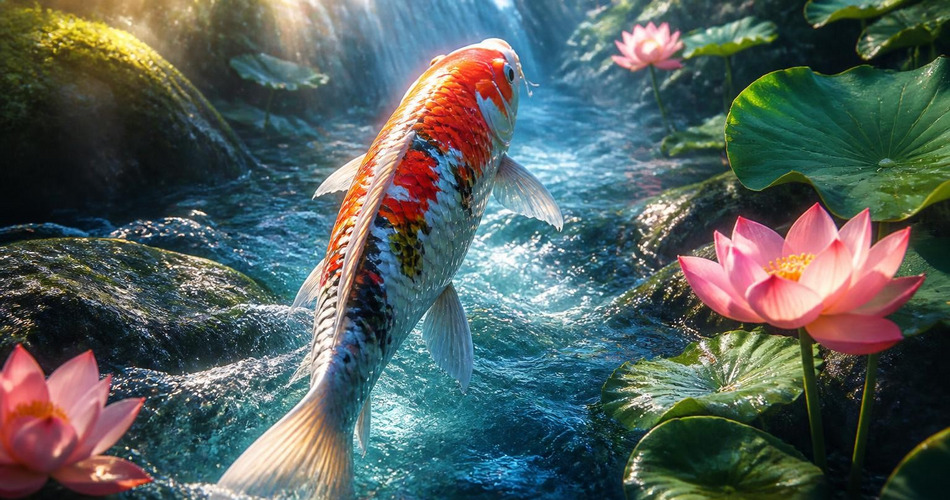
Koi fish are among the most recognized and revered symbols in East Asian cultures, particularly in Japan and China. They are widely associated with perseverance, strength, and the ability to overcome obstacles, largely due to the legend of the koi swimming upstream to become a dragon. Beyond this, koi also represent good fortune, abundance, and personal transformation, making them popular in art, gardens, and tattoos. Their vibrant colors and patterns add layers of meaning, with each variety carrying its own symbolism.
What Does Koi Fish Symbolize?
At its core, the koi fish symbolizes perseverance and determination. This meaning stems from the ancient Chinese legend that a koi swam against the current of the Yellow River, climbed a waterfall known as the Dragon Gate, and was transformed into a dragon. This story has made the koi a powerful emblem of ambition and the rewards of hard work. In Japanese culture, koi are also associated with courage, masculinity, and the samurai spirit because they swim against strong currents and even endure being caught on a hook without struggling.
Koi are also symbols of abundance and prosperity. In feng shui, images of koi are believed to attract wealth and good luck, especially when depicted in pairs. The word for koi in Japanese is a homophone for “love” or “affection,” linking the fish to romantic relationships and familial bonds. Additionally, koi represent harmony and balance, as they are often seen swimming gracefully in ponds, embodying a peaceful coexistence with their environment.
Positive and Negative Meanings
Positive associations: Koi fish are overwhelmingly seen as positive symbols. They represent perseverance, ambition, and the ability to overcome life’s challenges. Their association with the Dragon Gate legend makes them a symbol of success and transformation. Koi also embody courage, strength, and independence. In feng shui, they are believed to attract wealth, prosperity, and good fortune. Their connection to love and friendship makes them a popular motif in weddings and gifts.
Negative meanings: While koi are generally positive, they can carry some negative connotations in specific contexts. In Japanese culture, a koi that remains stagnant or fails to swim upstream may symbolize laziness or lack of ambition. In some interpretations, the koi’s struggle against the current can also represent conflict or hardship, especially if the fish appears trapped or unable to progress. However, these negative meanings are rare and usually depend on the context or the specific color of the koi.
History and Origins of Koi Fish Symbolism
The koi fish (Cyprinus rubrofuscus) is a domesticated variety of the common carp that was first bred for color in Japan during the 19th century. However, the symbolic roots of the koi go back much further to ancient China. The legend of the koi swimming up the Yellow River to the Dragon Gate is recorded in Chinese mythology, where it is said that any fish that could climb the waterfall would be transformed into a dragon. This story was later adopted and adapted in Japan, where the koi became a symbol of perseverance and success.
In Japan, koi were originally kept by rice farmers as a food source, but by the 19th century, selective breeding produced the colorful varieties we know today. The Japanese term “nishikigoi” (brocaded carp) reflects their ornamental value. During the Edo period, koi became associated with the samurai class, who admired the fish’s bravery and determination. The koi’s symbolism was further cemented in Japanese culture through festivals, such as Children’s Day (Kodomo no Hi), where koinobori (carp-shaped windsocks) are flown to represent the strength and success of children.
Koi Fish Symbolism in Different Cultures
In Japanese culture, koi are deeply embedded in national identity. They symbolize perseverance, courage, and the samurai spirit. The koinobori tradition on Children’s Day (May 5) features colorful carp windsocks, with each color representing a family member: black for the father, red for the mother, and blue or other colors for children. The koi is also a symbol of love and friendship, as the word “koi” can mean “affection” in Japanese.
In Chinese culture, koi (often called “carp” in English translations) are associated with wealth, abundance, and academic success. The Dragon Gate legend is particularly important, as it is believed that those who pass the imperial examinations would achieve success, much like the koi that becomes a dragon. Koi are also a popular motif in Chinese art and feng shui, where they are used to attract prosperity and good luck.
In Western cultures, koi have been adopted as symbols of perseverance and transformation, largely due to the popularity of Japanese and Chinese art and the spread of koi ponds in gardens. In the United States and Europe, koi are often seen as symbols of peace, beauty, and the exotic, but their deeper symbolic meanings are less ingrained than in East Asia.
Spiritual Meaning of Koi Fish
Spiritually, the koi fish represents the journey of the soul and personal transformation. The legend of the koi swimming upstream to become a dragon is often interpreted as a metaphor for spiritual awakening and the overcoming of obstacles on the path to enlightenment. Koi are also seen as symbols of balance and harmony, as they thrive in water, which is a traditional element of emotion and intuition. In meditation and spiritual practices, visualizing a koi swimming against the current can help cultivate determination and focus.
In feng shui, koi are considered powerful symbols of abundance and protection. A pair of koi is often used to attract love and marital happiness, while a group of nine koi (eight red and one black) is believed to bring wealth and success. The black koi in the group is thought to absorb negative energy and protect the household. The koi’s ability to swim against the current also symbolizes the spiritual strength needed to resist negative influences and stay true to one’s path.
Koi Fish in Myths and Folklore
The most famous myth involving koi is the Chinese legend of the Dragon Gate (Longmen). According to the story, a school of koi swam up the Yellow River, but when they reached a powerful waterfall, most turned back. Only a few koi persisted, and after a hundred years of effort, one finally leaped over the waterfall. The gods rewarded this koi by transforming it into a golden dragon. This myth is often used to teach the value of perseverance and is the origin of the idiom “the carp has leaped through the Dragon Gate,” meaning a person has achieved great success through hard work.
In Japanese folklore, koi are associated with the samurai code of bushido. The fish’s ability to swim against strong currents and even endure being caught without struggling was seen as a model of bravery and stoicism. Koi are also featured in the story of “Kintaro,” a legendary Japanese folk hero who was said to have a koi as a companion. Additionally, koi are sometimes depicted in Japanese art with dragons, symbolizing the transformation from a humble fish to a powerful celestial being.
Koi Fish in Dreams
Dreaming of koi fish often carries positive meanings related to perseverance, success, and emotional balance. Because koi are associated with overcoming obstacles, seeing them in a dream may indicate that you are on the verge of a breakthrough or that you have the strength to face challenges. The color of the koi in the dream can add nuance: a red koi may symbolize love or passion, while a black koi might represent protection or the need to confront fears.
If the koi in your dream is swimming upstream or against a current, it often symbolizes your determination to achieve a difficult goal. A koi swimming calmly in clear water may represent peace and emotional harmony. On the other hand, a koi that appears sick, trapped, or struggling could indicate feelings of being overwhelmed or blocked in your waking life. As with all dream symbols, the context and personal associations are important for interpretation.
Common Dream Scenarios Involving Koi Fish
- Koi swimming upstream: A sign of determination and the need to persist through challenges to achieve a goal.
- Koi swimming in clear water: Represents emotional clarity, peace, and a balanced state of mind.
- Koi jumping out of water: Symbolizes a breakthrough or a sudden opportunity for transformation.
- Dead or dying koi: May indicate a loss of motivation, a failed endeavor, or the end of a phase in life.
- Multiple koi in a pond: Suggests abundance, social harmony, or the presence of supportive relationships.
Koi Fish in Superstitions and Omens
- Koi in a garden pond: Believed to bring good luck, prosperity, and protection to the home.
- Seeing a koi leap from the water: Considered an omen of success or a forthcoming promotion.
- Black koi: In feng shui, a black koi is thought to absorb negative energy and protect the household from harm.
- Koi swimming against the current: Seen as a sign of strength and the ability to overcome adversity.
- Koi appearing in a dream: Often interpreted as a positive omen for personal growth or financial gain.
Koi Fish in Art and Literature
Koi fish have been a prominent subject in East Asian art for centuries. In Japanese ukiyo-e woodblock prints, koi are often depicted swimming in clear streams or leaping from waterfalls, symbolizing perseverance and strength. Artists such as Katsushika Hokusai and Utagawa Kuniyoshi created famous prints featuring koi, often in dynamic compositions that emphasize the fish’s movement and vitality. In Chinese ink painting, koi are a common motif, representing abundance and good fortune, and are frequently paired with lotus flowers to symbolize purity and prosperity.
In literature, koi appear in various works. The Chinese classic “The Dragon Gate” is a well-known folk tale that has been retold in many forms. In modern literature, koi are referenced in novels such as “The Koi and the Dragon” by David Mitchell and in poetry that uses the fish as a metaphor for resilience. Koi also feature in contemporary films and anime, such as the Studio Ghibli film “The Tale of the Princess Kaguya,” where a koi appears as a symbol of transformation.
Koi Fish Tattoo Meaning
Koi fish tattoos are among the most popular designs in East Asian and Western tattoo culture. They are often chosen to symbolize perseverance, strength, and the ability to overcome adversity. The direction of the koi in the tattoo adds meaning: a koi swimming upstream represents struggle and determination, while a koi swimming downstream suggests that the wearer has already achieved their goals or is at peace. A koi tattoo is also associated with good luck, prosperity, and protection.
Color plays a significant role in koi tattoo symbolism. A red koi represents love, passion, and courage. A blue or black koi symbolizes masculinity, strength, and the ability to overcome obstacles. A gold or yellow koi is associated with wealth and prosperity. Koi are often depicted with water, lotus flowers, or dragons, which can enhance the meaning. For example, a koi transforming into a dragon tattoo represents personal transformation and the achievement of one’s highest potential.
Meanings of Different Koi Fish Colors and Variations
- Kohaku (white with red patches): The most common variety, symbolizing career success and love.
- Taisho Sanke (white, red, and black): Represents balance, harmony, and good fortune.
- Showa (black with red and white patches): Associated with strength, transformation, and overcoming adversity.
- Tancho (white with a single red spot on the head): Symbolizes purity, peace, and the Japanese flag; considered very auspicious.
- Ogon (solid gold or platinum): Represents wealth, prosperity, and success in business.
- Matsuba (pinecone pattern): Symbolizes resilience and longevity, inspired by the pine tree.
- Butterfly koi (long, flowing fins): A modern variety associated with grace, beauty, and elegance.
Frequently Asked Questions About Koi Fish Symbolism
Q: What does a koi fish symbolize in Japanese culture?
A: In Japanese culture, koi fish symbolize perseverance, courage, and the samurai spirit, as well as love and friendship due to the homophone “koi” meaning affection.
Q: What does a koi fish tattoo mean?
A: A koi fish tattoo typically represents perseverance, strength, and the ability to overcome obstacles, with the direction and color of the fish adding specific meanings.
Q: Are koi fish considered lucky?
A: Yes, koi fish are considered lucky in many cultures, especially in feng shui, where they are believed to attract wealth, prosperity, and good fortune.
Q: What is the Dragon Gate legend about koi?
A: The Dragon Gate legend tells of a koi that swam upstream and leaped over a waterfall, transforming into a dragon, symbolizing perseverance and success.
Q: What does a black koi fish symbolize?
A: A black koi fish often symbolizes protection, strength, and the ability to overcome adversity; in feng shui, it is believed to absorb negative energy.
Related Symbols
- Dragon: Represents transformation and ultimate success, closely linked to the koi’s legend.
- Lotus flower: Symbolizes purity and spiritual growth, often paired with koi in art.
- Carp: The wild ancestor of koi, associated with perseverance in Chinese culture.
- Water: Represents emotion, intuition, and the flow of life, the natural element of koi.
- Goldfish: A related fish symbolizing wealth and good fortune in many cultures.