Briefly
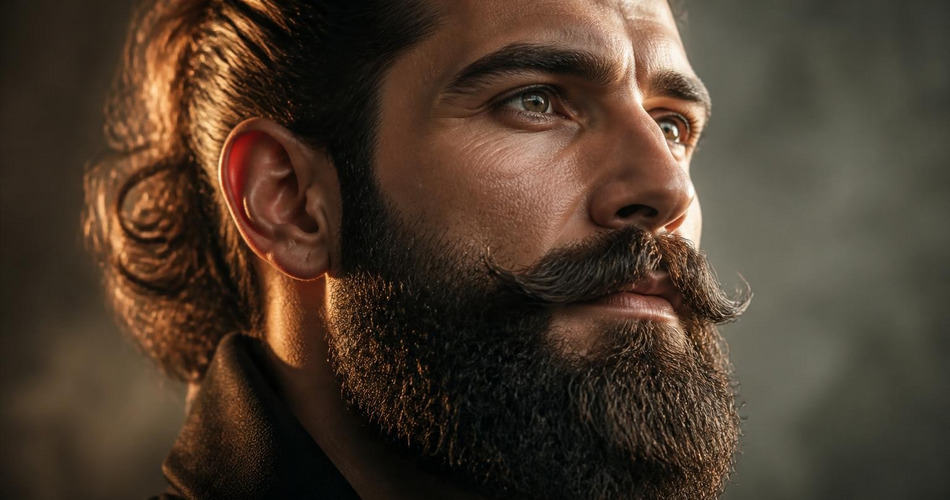
A beard is far more than facial hair—it is a powerful symbol that has carried deep meaning across cultures and eras. Historically, beards have represented wisdom, maturity, authority, and virility, often marking a man as a respected elder or leader. At the same time, a beard can signify rebellion, nonconformity, or a connection to spiritual traditions. Its meaning shifts depending on context, from a sign of piety in some religions to a marker of counterculture in modern times.
What Does Beard Symbolize?
Beards primarily symbolize masculinity, maturity, and social status. In many traditional societies, a full beard is associated with wisdom and experience—the longer and thicker the beard, the greater the respect accorded to the man. Beards also symbolize authority: judges, prophets, and kings are often depicted with beards to convey gravitas and judgment. In spiritual contexts, a beard can represent a connection to the divine, as seen in many religious figures who wear beards as a sign of devotion or asceticism.
On the other hand, beards can symbolize rebellion or nonconformity. In the 1960s and 1970s, beards were adopted by countercultural movements as a rejection of clean-shaven corporate norms. Today, beards are often associated with hipster culture, signaling individuality and a break from mainstream grooming standards.
Positive and Negative Meanings
Positive associations: Beards are commonly linked with wisdom, dignity, and strength. A well-groomed beard can convey trustworthiness, experience, and leadership. In many cultures, a beard is a mark of honor and a sign that a man has reached full adulthood. Spiritually, beards are seen as a gift from God or nature, enhancing a man’s natural appearance and connecting him to ancient traditions.
Negative meanings: Conversely, beards have also been associated with untrustworthiness, dirtiness, or aggression. In some historical periods, a beard was seen as uncivilized or barbaric—especially when unkempt. In modern media, villains are sometimes depicted with beards to suggest menace or deceit. A beard can also symbolize stubbornness or a refusal to conform to societal expectations, which may be viewed negatively in conservative environments.
History and Origins of Beard Symbolism
The symbolism of beards dates back thousands of years. In ancient Egypt, pharaohs often wore false beards as a symbol of divine authority and kingship—the longer the beard, the higher the status. In ancient Greece and Rome, beards were associated with philosophers and thinkers, representing wisdom and intellectual depth. However, during the Roman Empire, a clean-shaven look became fashionable among the elite, and beards were sometimes seen as a mark of barbarians.
In medieval Europe, beards were common among knights and nobles, symbolizing strength and honor. The Church, however, often required priests to be clean-shaven, associating beards with worldly vanity. During the Renaissance, beards made a comeback as a sign of artistic and intellectual sophistication. In the 19th century, beards were popular among statesmen and explorers, symbolizing rugged masculinity and authority.
Beard Symbolism in Different Cultures
In many Middle Eastern and South Asian cultures, a beard is a sign of religious piety and masculinity. In Islam, growing a beard is considered Sunnah (a practice of the Prophet Muhammad) and is often seen as a mark of devotion. Similarly, in Sikhism, the beard is kept uncut as part of the Kesh, one of the five articles of faith, symbolizing respect for the natural body and spiritual discipline.
In ancient Celtic cultures, warriors grew long beards to intimidate enemies and display bravery. In Norse mythology, the god Odin is often depicted with a long beard, representing wisdom and magic. In many African societies, a beard is a symbol of elderhood and authority—a man with a grey beard is revered for his life experience.
In Western modern culture, beards have cycled in and out of fashion. In the early 20th century, a clean-shaven face was associated with professionalism and hygiene. By the 1960s, beards became a symbol of counterculture and anti-establishment sentiment. Today, beards are widely accepted in many professions and are often seen as a fashion statement or a sign of rugged masculinity.
Spiritual Meaning of Beard
Spiritually, a beard is often viewed as a natural extension of a man’s energy and vitality. In many traditions, the beard is considered a repository of spiritual power—cutting it off can symbolize a loss of strength or a break with tradition. In some shamanic practices, the beard is believed to connect a man to the earth and to ancestral spirits.
In Christianity, beards are associated with biblical figures like Moses, Jesus, and the apostles, who are traditionally depicted with beards. While the Bible does not explicitly require beards, they have become a symbol of religious devotion and humility in many denominations. In Eastern Orthodox Christianity, priests often wear long beards as a sign of their calling and separation from worldly fashion.
Beard in Myths and Folklore
Beards appear prominently in myths and folklore around the world. In Norse mythology, the god Thor is known for his red beard, which symbolizes his strength and fiery temper. The Greek god Zeus is often shown with a full beard, representing his authority as king of the gods. In Slavic folklore, the household spirit Domovoi is sometimes depicted with a beard, and offending him by shaving could bring bad luck.
In many fairy tales, a beard is a marker of magical power or wisdom. The wizard Merlin is traditionally portrayed with a long white beard, emphasizing his ancient knowledge. In the story of Bluebeard, the villain’s beard is a symbol of his dark secrets and dangerous nature. Folklore also contains superstitions about beards: in some cultures, a man with a red beard was thought to be hot-tempered or lucky.
Beard in Superstitions and Omens
Superstitions surrounding beards vary widely. In some European traditions, it was considered unlucky to shave a beard before a journey, as the beard was thought to protect the traveler. In parts of Asia, a man with a patchy beard might be seen as unlucky in love or business. Conversely, a thick, lustrous beard was often considered a good omen for prosperity and fertility.
In some cultures, the first shave of a young man was a rite of passage, marking his transition to adulthood. The hair from the first shave was sometimes kept as a talisman for good luck. In maritime folklore, sailors believed that a beard could protect them from drowning, and some would refuse to shave while at sea.
Beard in Art and Literature
Beards have been a recurring motif in art and literature for centuries. In Renaissance painting, artists like Rembrandt and Leonardo da Vinci frequently depicted subjects with beards to convey wisdom, age, or sanctity. Rembrandt’s many self-portraits show him with a beard, emphasizing his identity as a thoughtful, mature artist.
In literature, beards often signify character traits. In Shakespeare’s King Lear, the protagonist’s beard is a symbol of his age and authority, and its removal (by his daughters) represents his loss of power. In J.R.R. Tolkien’s The Lord of the Rings, the wizard Gandalf’s long grey beard underscores his ancient wisdom and magical prowess. In Ernest Hemingway’s The Old Man and the Sea, the protagonist Santiago’s beard marks him as a weathered, experienced fisherman.
In modern film and television, beards are used to quickly establish a character’s personality—from the heroic beard of Game of Thrones‘ Ned Stark to the villainous beard of Star Wars‘ Darth Maul (though Maul’s is facial tattoos, not hair). The beard remains a powerful visual shorthand.
Beard Tattoo Meaning
Beard tattoos—tattoos that depict a beard or are placed on the beard area—are less common than other body art, but they carry specific symbolism. A tattoo of a beard can represent a permanent commitment to masculinity, wisdom, or a particular cultural identity. Some men tattoo their own beard area to create the illusion of a fuller beard, often as a statement of defiance against baldness or aging.
In some tribal cultures, facial tattoos that mimic a beard are part of initiation rites, symbolizing the transition to manhood and the acceptance of adult responsibilities. In modern tattoo culture, a beard tattoo might be chosen to honor ancestral traditions or to express a rugged, independent spirit.
Meanings of Different Beard Types and Colors
The symbolism of a beard can change based on its style and color. A long, flowing beard often represents wisdom, patience, and spiritual depth—seen in figures like Merlin or Gandalf. A short, neatly trimmed beard may signify professionalism, control, and modernity. A full, bushy beard is associated with raw masculinity and a connection to nature.
Beard color also carries meaning. A grey or white beard is almost universally a symbol of age, experience, and respect. A red beard has been linked to fiery temperaments and luck in folklore. A black beard can suggest strength, mystery, or authority. In some cultures, a beard with streaks of grey is seen as a mark of honor and a life well-lived.
Frequently Asked Questions
Q: What does a beard symbolize in general?
A: Beards generally symbolize masculinity, wisdom, maturity, authority, and social status. They can also represent rebellion, spirituality, or nonconformity depending on cultural context.
Q: Why do some religions require or encourage beards?
A: In Islam, Sikhism, and some branches of Christianity, beards are seen as a sign of devotion, respect for the natural body, and a way to follow the example of religious figures.
Q: What does a beard mean in dreams?
A: While dream interpretation varies, a beard in a dream often symbolizes wisdom, masculinity, or a need for respect. It can also indicate a desire to hide one’s true self or to project authority.
Q: Is a beard a symbol of rebellion?
A: Yes, in many modern contexts—especially during the 1960s counterculture and later hipster movements—a beard has been used to reject mainstream grooming norms and express individuality.
Related Symbols
- Hair – general symbol of strength and vitality
- Mustache – often associated with masculinity and military authority
- Shaving – symbolizes purification, submission, or loss of power
- Head – the seat of identity and wisdom
- Elder – the beard as a marker of age and respect