Briefly
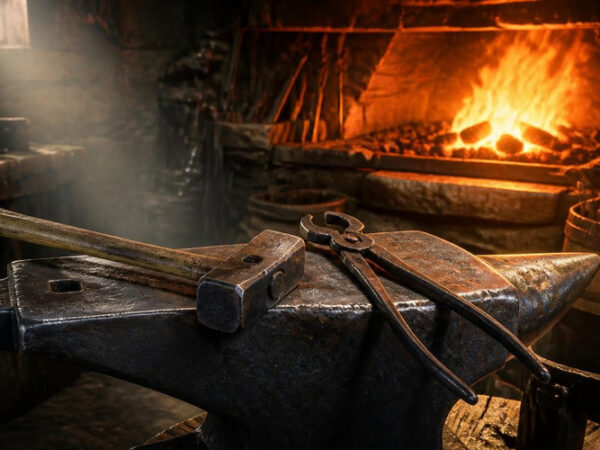
The blacksmith is a powerful symbol of creation, transformation, and mastery over the primal elements of fire and metal. As a craftsman who shapes raw materials into tools, weapons, and art, the blacksmith represents human ingenuity, strength, and the ability to forge one’s own destiny. This figure appears across many cultures as a creator, a magician, and a mediator between the mundane and the divine, embodying both the destructive and creative forces of fire.
What Does the Blacksmith Symbolize?
The blacksmith symbolizes the transformation of raw potential into something useful and meaningful. The act of heating metal until it is malleable and then hammering it into shape is a metaphor for personal growth, resilience, and the ability to endure hardship to achieve a desired form. The blacksmith also represents the mastery of fire, a primal element of both destruction and creation, and the skill of controlling it for constructive purposes.
In a broader sense, the blacksmith is a symbol of creation and craftsmanship. The forge is a place of birth, where new objects are brought into existence through skill and effort. This makes the blacksmith a figure of innovation, industry, and the power of human will to shape the world.
Positive and Negative Meanings
Positive associations: The blacksmith is seen as a creator and a provider, forging essential tools for survival and progress. This figure embodies strength, resilience, and the transformative power of hard work. The blacksmith is also a symbol of protection, as they create armor and weapons for defense.
Negative meanings: The blacksmith can also represent destruction and violence, as they forge weapons of war. The intense heat and force of the forge can symbolize anger, aggression, and the potential for uncontrolled power to cause harm. The blacksmith’s ability to shape metal can also be seen as a metaphor for manipulation or forcing change against one’s will.
History and Origins of the Blacksmith Symbolism
The symbolism of the blacksmith is ancient, dating back to the early Bronze Age when the ability to smelt and shape metal was a revolutionary and mysterious skill. In many early societies, blacksmiths were held in high regard, often considered to possess magical or divine powers because they could transform earth (ore) into functional objects using fire. This mastery over fire and transformation led to the blacksmith being associated with gods and mythical figures in many cultures.
In Norse mythology, the blacksmith god Völundr (Wayland) is a master craftsman who creates magical items. In Greek mythology, Hephaestus is the god of the forge, a skilled artisan who builds the palaces of the gods and creates powerful weapons and armor. These figures highlight the blacksmith’s role as a creator and a figure of immense skill and power, often operating on the fringes of society due to their unique and mysterious abilities.
Blacksmith Symbolism in Different Cultures
In many African cultures, the blacksmith is a highly respected figure, often serving as a community leader, healer, and spiritual mediator. The Dogon people of Mali, for example, believe the first blacksmith was a divine figure who brought civilization and knowledge to humanity. In West Africa, blacksmiths are often associated with magic and the ability to control spirits, and their work is considered a sacred act.
In Japanese culture, the kaji (blacksmith) is revered for creating samurai swords, which are not just weapons but spiritual objects imbued with the soul of the smith. The process of forging a katana is a ritualistic and meditative practice, symbolizing the pursuit of perfection and the balance between strength and beauty.
In Celtic mythology, the god Goibniu is a divine smith who forges weapons that never miss their mark and brews an ale that grants immortality. This connection to both creation and eternal life underscores the blacksmith’s role as a bestower of power and protection.
Spiritual Meaning of the Blacksmith
Spiritually, the blacksmith represents the inner alchemist, the part of the self that can transform suffering and hardship into strength and wisdom. The forge is a metaphor for the trials of life, where the soul is heated, hammered, and shaped into a more refined form. The blacksmith’s ability to control fire symbolizes the mastery of one’s own passions and destructive impulses, using them as a source of creative energy rather than letting them run wild.
The blacksmith also embodies the principle of creation through destruction. To forge a new object, the original metal must be broken down and reshaped. This mirrors spiritual concepts of death and rebirth, where the old self must be dismantled to allow for a new, more evolved self to emerge.
Blacksmith in Myths and Folklore
The blacksmith is a central figure in many myths and folklore traditions around the world. In Norse mythology, the dwarf Andvari is a master smith who forges the cursed ring Andvaranaut, which brings misfortune to its owners. This story highlights the blacksmith’s power to create objects of immense significance, both good and ill.
In Finnish mythology, the smith god Ilmarinen forges the Sampo, a magical mill that produces wealth and prosperity. This tale emphasizes the blacksmith as a bringer of abundance and a figure of creative genius. In many European folktales, blacksmiths are often portrayed as wise and cunning, able to outwit the devil or other supernatural beings, further cementing their reputation as powerful and knowledgeable figures.
Blacksmith in Dreams
Dreaming of a blacksmith can be a powerful symbol of personal transformation and the need to take control of one’s life. The image of the blacksmith at work suggests that you are in a period of intense change, where you are actively shaping your own destiny through effort and determination. It can also represent the need to harness your inner strength and creativity to overcome obstacles.
Alternatively, a blacksmith in a dream may symbolize a person or force in your life that is exerting pressure on you to change. The heat of the forge can represent intense emotions or challenging circumstances that are forcing you to adapt and grow.
Common Dream Scenarios Involving a Blacksmith
- Watching a blacksmith work: This suggests you are observing a period of transformation in your life, or you feel you are being shaped by external forces.
- Being the blacksmith: This indicates you are taking an active role in shaping your own life, making decisions, and forging your own path.
- A broken anvil or forge: This can symbolize a loss of creative power, a lack of motivation, or a feeling that you cannot control the changes happening around you.
- Receiving a tool from a blacksmith: This suggests you are being given the resources or skills you need to achieve a goal or overcome a challenge.
Blacksmith in Superstitions and Omens
In many cultures, blacksmiths were considered to have protective powers against evil spirits and bad luck. It was common to hang a horseshoe, a product of the blacksmith’s forge, over a doorway for good luck and protection. The blacksmith’s ability to control fire and shape metal was seen as a form of magic that could ward off malevolent forces.
In some European traditions, it was considered bad luck to cross a blacksmith’s path if they were in a bad mood, as their anger was thought to be as powerful as the fire they worked with. Conversely, receiving a gift from a blacksmith, especially a small iron object, was considered a powerful omen of protection and good fortune.
Blacksmith in Art and Literature
The blacksmith appears in various works of art and literature, often as a symbol of strength, creation, and the working class. In literature, the character of Wayland the Smith appears in the Old English poem “Deor” and in later medieval romances, where he is a master craftsman and a figure of revenge and resilience. In the novel The Once and Future King by T.H. White, the young King Arthur learns about power and justice by being transformed into a blacksmith, a metaphor for understanding the world through hands-on creation.
In visual art, the blacksmith is often depicted in paintings of rural life and industrial scenes. The painting The Blacksmith by John Neagle (1827) portrays a blacksmith at work, emphasizing the dignity and skill of manual labor. In modern media, the blacksmith archetype appears in countless fantasy stories, such as the character of Eitri in Marvel’s Thor comics and films, who forges powerful weapons for the gods.
Blacksmith Tattoo Meaning
A blacksmith tattoo often symbolizes personal strength, the ability to overcome adversity, and the power of creation. It can represent a person’s journey of self-improvement, where they have forged themselves into a stronger individual through hard work and perseverance. The anvil, hammer, and forge are common elements in such tattoos, each carrying its own meaning: the anvil for stability, the hammer for action, and the forge for transformation.
For some, a blacksmith tattoo is a tribute to craftsmanship, hard work, and the value of creating something with one’s own hands. It can also be a symbol of protection, drawing on the blacksmith’s historical role as a maker of armor and weapons.
Frequently Asked Questions About Blacksmith Symbolism
Q: What does a blacksmith symbolize in a spiritual context?
A: In a spiritual context, the blacksmith symbolizes the inner alchemist, representing the ability to transform personal suffering and challenges into strength, wisdom, and a more refined self through the trials of life.
Q: Why is the blacksmith often associated with magic?
A: The blacksmith is associated with magic because the process of smelting ore and shaping metal with fire was historically mysterious and awe-inspiring, leading many cultures to view blacksmiths as possessing supernatural powers or divine favor.
Q: What does it mean to dream of a blacksmith?
A: Dreaming of a blacksmith often signifies a period of intense personal transformation, the need to take control of your life, or the influence of external forces shaping your character and circumstances.
Related Symbols
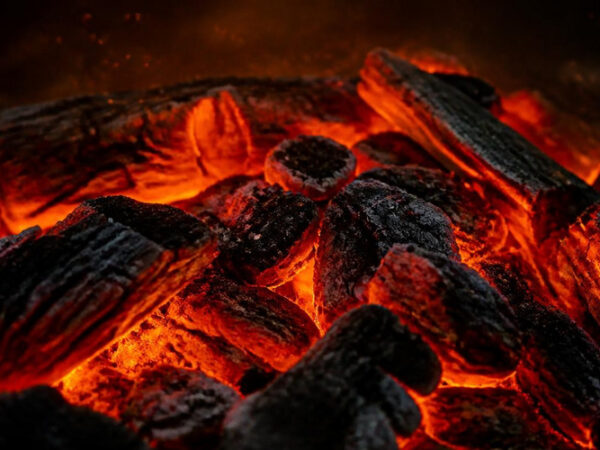
- Fire – The blacksmith’s primary tool, symbolizing both destruction and creation.
- Anvil – Represents stability, endurance, and the foundation upon which things are built.
- Hammer – Symbolizes power, action, and the force needed to shape and create.
- Horseshoe – A product of the blacksmith’s craft, associated with good luck and protection.
- Hephaestus – The Greek god of the forge, embodying craftsmanship and divine creation.