Briefly
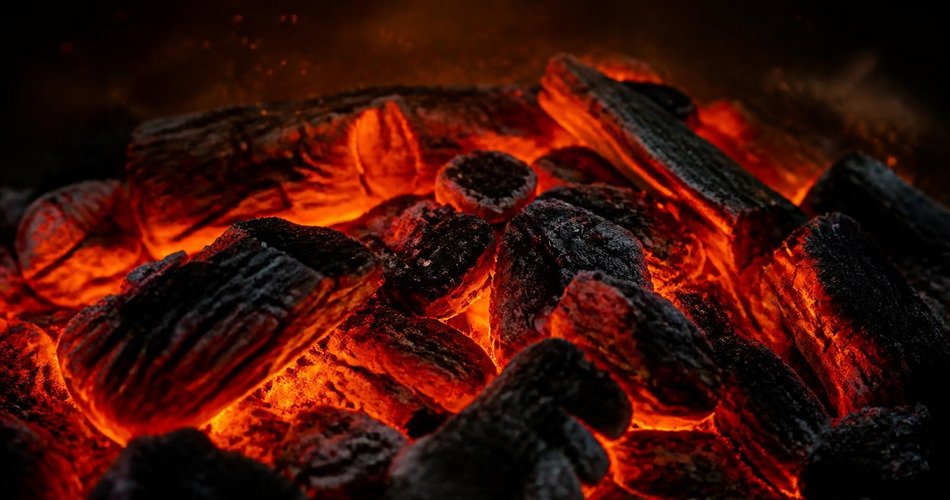
An ember is a small, glowing piece of coal or wood that remains after a fire has mostly burned out. As a symbol, the ember represents enduring warmth, quiet strength, and the potential for renewal. It suggests that even when a flame seems extinguished, a spark of life or passion still smolders beneath the surface, ready to be reignited. Embers also carry meanings of patience, transformation, and the slow, steady power of persistence.
What Does Ember Symbolize?
Embers symbolize the lingering presence of fire even after the visible flames have died. They represent warmth that persists, hope that remains, and the quiet energy that can burst into life again. In many contexts, an ember is a metaphor for a relationship, idea, or passion that has faded but still holds the potential to be rekindled. The ember also embodies endurance—the ability to hold onto heat and light through the night or through difficult times.
Because embers glow without roaring, they are associated with subtle power, inner strength, and the wisdom of patience. They remind us that not all strength is loud or obvious; sometimes the most potent force is the one that glows quietly, waiting for the right moment to flare up again.
Positive and Negative Meanings
Positive associations: Embers are linked to warmth, comfort, and the sustaining power of a fire that continues to provide heat even after the main blaze has subsided. They symbolize enduring love, steadfastness, and the quiet hope that something can be revived. In spiritual terms, an ember can represent the soul’s eternal spark that never fully extinguishes.
Negative meanings: On the darker side, embers can symbolize the remnants of destruction, the aftermath of a blaze that has consumed everything. They may represent smoldering resentment, unresolved anger that still burns beneath a calm surface, or a lingering threat that could flare up again. In dreams, embers might indicate hidden dangers or unresolved issues that are still hot but not yet fully expressed.
History and Origins of Ember Symbolism
The symbolism of embers is as old as humanity’s relationship with fire. Early humans relied on embers to transport fire from one location to another, carrying glowing coals in containers to start new fires. This practical use gave the ember a symbolic role as a carrier of life-sustaining warmth and a link between communities. In many ancient cultures, the ability to keep an ember alive was seen as a sign of skill, responsibility, and foresight.
In mythology and folklore, embers often appear in stories about the hearth—the heart of the home. The hearth fire was kept burning continuously in many traditions, and its embers were considered sacred. They were believed to protect the household, ward off evil spirits, and ensure the family’s prosperity. The ember thus became a symbol of continuity, heritage, and the unbroken chain of generations.
Ember Symbolism in Different Cultures
In Japanese culture, the concept of hibi (the ember) is associated with the tea ceremony and the art of maintaining a fire for heating water. The careful tending of embers reflects mindfulness, patience, and the appreciation of quiet beauty. In Native American traditions, embers from a council fire were often kept alive as a symbol of unity and ongoing dialogue among tribes. The ember represented the enduring spirit of the people and the wisdom passed down through generations.
In European folklore, embers from the Yule log were kept to protect the home throughout the year. They were believed to bring good luck and ward off lightning and fire. In Celtic traditions, the ember of the hearth was a symbol of the goddess Brigid, who was associated with fire, poetry, and healing. Keeping the ember alive was an act of devotion and a way to honor the divine spark within the home.
Spiritual Meaning of Ember
Spiritually, the ember is a powerful symbol of the inner flame—the divine spark that resides within every person. It represents the soul’s eternal nature, which may dim but never fully extinguishes. In meditation, visualizing an ember can help one connect with inner warmth, resilience, and the quiet energy that sustains life. The ember also symbolizes the process of spiritual transformation: just as a fire turns wood into ash and ember, spiritual growth involves burning away impurities to reveal a purer, more enduring essence.
In many mystical traditions, the ember is seen as a bridge between the physical and spiritual worlds. It is the point where fire, having consumed its fuel, becomes a glowing remnant that still holds the potential for new flame. This makes the ember a symbol of hope, rebirth, and the cyclical nature of existence.
Ember in Myths and Folklore
In Greek mythology, the story of Prometheus stealing fire from the gods and bringing it to humanity includes the idea of a stolen ember—a spark of divine knowledge that could ignite civilization. The ember here represents forbidden knowledge and the transformative power of fire. In Norse mythology, the hearth ember was sacred to the goddess Frigg, who was associated with domestic life and protection. Keeping the ember alive was a way to honor her and ensure the home’s safety.
In Slavic folklore, the domovoi (house spirit) was believed to live near the hearth and was often associated with the embers. If the embers were neglected, the domovoi might become angry and bring misfortune. Conversely, tending the embers with respect would earn the spirit’s favor and bring good luck. These stories highlight the ember’s role as a link between the human and spirit worlds.
Ember in Dreams
Dreaming of embers often relates to feelings, relationships, or projects that are still smoldering beneath the surface. An ember in a dream can indicate that something from the past still has the potential to be revived, or that hidden emotions are waiting to be expressed. The state of the ember—whether it glows brightly, is nearly dead, or reignites—provides clues about the dreamer’s inner state.
If the ember is glowing warmly, it suggests enduring love, hope, or a passion that can be rekindled. If it is cold and gray, it may indicate that something has truly ended and needs to be let go. A dream of blowing on an ember to make it flame up symbolizes the effort required to revive a relationship, idea, or aspect of oneself.
Common Dream Scenarios
- A glowing ember in a fireplace: Represents warmth and security in the home, or a relationship that is still alive but needs tending.
- An ember that suddenly ignites: Indicates a sudden resurgence of passion, anger, or inspiration that was previously dormant.
- Cold, dead embers: Symbolize the end of a cycle, the need to move on, or feelings of hopelessness.
- Carrying an ember in your hands: Suggests responsibility for preserving something precious, or the burden of unresolved emotions.
- Embers scattered on the ground: May represent fragmented ideas or relationships that could be gathered and rekindled.
Ember in Superstitions and Omens
- In many European traditions, an ember that glows unusually bright is considered a sign of good luck or an upcoming visit from a friend.
- If an ember jumps out of the fireplace, it was sometimes interpreted as a warning of an argument or a quarrel in the household.
- Keeping a piece of charred wood or an ember from a Yule fire was believed to protect the home from lightning and fire throughout the year.
- In some cultures, seeing an ember in a dream was thought to foretell a secret that would soon be revealed.
Ember in Art and Literature
Embers appear in literature as a motif for lingering passion or memory. In Emily Brontë’s Wuthering Heights, the dying embers of the hearth mirror the fading but never fully extinguished love between Heathcliff and Catherine. The ember serves as a symbol of their enduring connection even after death. In Ray Bradbury’s Fahrenheit 451, the image of embers is used to represent the remnants of knowledge and the potential for rebirth after a destructive fire. The protagonist, Guy Montag, carries an ember of memory and hope as he flees a society that burns books.
In visual art, embers are often depicted in paintings of hearths and campfires, emphasizing the quiet warmth of domestic life. The Dutch Golden Age painter Pieter de Hooch frequently included glowing embers in his interior scenes to evoke a sense of comfort and intimacy. In modern photography, embers are used to capture the beauty of decay and the promise of renewal.
Tattoo Meaning of Ember
An ember tattoo often symbolizes resilience and the idea that even after a difficult period, a person still holds the spark of life. It can represent a personal transformation, a reminder of a time when one overcame adversity, or a tribute to a loved one whose memory still glows. The design may be simple—a single glowing coal—or more elaborate, incorporating flames, ash, or symbolic elements like a phoenix. Ember tattoos are popular among those who have experienced loss or major change and want to honor their inner strength.
Meanings of Different Types, Colors, or Variations
- Red ember: Symbolizes passion, intense emotion, and the heat of life. It is the most common color and represents the core of the fire’s energy.
- Orange ember: Associated with creativity, warmth, and the transition from flame to ash. It suggests a balance between action and rest.
- White-hot ember: Represents purity, spiritual intensity, and the highest form of transformation. It is rare and often seen as a sign of enlightenment or divine presence.
- Gray or black ember: Indicates the end of a cycle, the cooling of passion, or the need for renewal. It can also symbolize the ashes of the past that fertilize new growth.
- Multiple embers: May represent community, shared warmth, or the collective energy of a group.
Frequently Asked Questions
Q: What does an ember symbolize in a relationship?
A: In relationships, an ember symbolizes a love or connection that has cooled but still holds the potential to be rekindled with effort and care. It suggests that the bond is not completely lost.
Q: Is an ember a positive or negative symbol?
A: Embers are generally positive, representing hope, endurance, and the possibility of renewal. However, they can also carry negative connotations of smoldering anger or unresolved issues that may flare up.
Q: What does it mean to dream of an ember?
A: Dreaming of an ember often indicates that something from your past—a feeling, idea, or relationship—still has life and could be revived. The specific context of the dream provides more detail.
Q: How is an ember different from a flame in symbolism?
A: A flame is active, visible, and consuming, while an ember is quiet, hidden, and enduring. The ember represents potential and patience, whereas the flame represents immediate action and transformation.
Related Symbols
- Fire: The source of embers; symbolizes passion, destruction, and purification.
- Ash: The final remnant of fire; represents endings, humility, and the cycle of life.
- Coal: The material that becomes an ember; symbolizes hidden energy and potential.
- Hearth: The home of the ember; represents family, warmth, and domestic security.
- Phoenix: A mythical bird that rises from ashes; symbolizes rebirth and transformation, often associated with the ember’s potential to ignite new life.
- Spark: The beginning of fire; symbolizes inspiration, sudden insight, and the start of a new endeavor.