Briefly
The bow and arrow is a powerful symbol that represents focus, precision, and the ability to aim toward a goal. As a tool for hunting and warfare across many ancient cultures, it also embodies strength, skill, and the balance between tension and release. Its dual nature—both a weapon and a tool for survival—gives it contrasting meanings of conflict and provision, aggression and protection.
What Does Bow And Arrow Symbolize?
The bow and arrow symbolizes focused intention and the act of aiming at a target. In many traditions, the archer represents human will, the bow represents the means of action, and the arrow represents the directed thought or purpose. The tension in the bowstring before release mirrors the buildup of energy needed to achieve a goal, making the bow and arrow an emblem of determination and patience.
Beyond personal ambition, the bow and arrow also symbolize protection and defense. In hunting societies, the bow provided food and safety, linking it to themes of survival and resourcefulness. Its use in combat extended this symbolism to themes of power, authority, and martial prowess.
Positive and Negative Meanings of Bow And Arrow
Positive associations: The bow and arrow are widely seen as symbols of precision, focus, and accomplishment. They represent the ability to set clear objectives and work steadily toward them. In spiritual contexts, they can symbolize the release of burdens or the pursuit of higher truth.
Negative meanings: As a weapon, the bow and arrow also carry meanings of aggression, conflict, and harm. They can represent hostility, the potential for violence, or the emotional tension that builds before a confrontation. In some interpretations, the bow and arrow symbolize a threat or an unavoidable challenge.
History and Origins of the Bow And Arrow Symbolism
The bow and arrow are among humanity’s oldest composite tools, with archaeological evidence dating back over 60,000 years. Early examples have been found in South Africa and later in Europe, Asia, and the Americas. Their development marked a significant technological advance in hunting and warfare, giving rise to rich symbolic associations across many cultures.
In ancient Egypt, the bow was a symbol of military might and was closely tied to pharaohs and warrior gods like Montu. In Mesopotamian art, kings were often depicted with bows to assert their authority. The Scythians, renowned mounted archers, elevated the bow to a symbol of cultural identity and nomadic power. In East Asia, particularly in China and Japan, the bow (especially the yumi) became a tool of both warfare and spiritual discipline, central to the practice of kyūdō, the “way of the bow.”
Bow And Arrow Symbolism in Different Cultures
In Norse mythology, the god Ullr was associated with the bow and skiing, symbolizing hunting and winter survival. The bow also appears in stories of the hero Sigurd. In Hindu tradition, the bow and arrow are wielded by gods and heroes such as Rama and Arjuna, representing divine duty and righteous action. The epic Ramayana features the divine bow of Shiva, which Rama alone can string, symbolizing his chosen status and moral purity.
Among Native American tribes, the bow and arrow were not only practical tools but also ceremonial objects, often decorated with feathers and beads to convey spiritual meaning. They symbolized the warrior’s path, connection to nature, and the skill needed to provide for the community. In many African cultures, the bow was sometimes used as a musical instrument (the musical bow), linking it to storytelling and ritual.
In Japanese culture, the yumi (longbow) and ya (arrows) are deeply embedded in Shinto traditions. Arrows are used in purification rituals and as protective charms against evil. The bow itself is considered a sacred object in some contexts, and the martial art of kyūdō emphasizes harmony of body, breath, and spirit rather than mere marksmanship.
Spiritual Meaning of Bow And Arrow
Spiritually, the bow and arrow often represent the journey toward enlightenment or the release of attachments. The drawn bow is like a mind ready to act, and the arrow’s flight symbolizes the soul’s movement toward a higher state. In Buddhist iconography, the god of love, Kamadeva, shoots arrows of desire, while in Zen philosophy, archery is a metaphor for meditation and mindfulness.
The process of nocking, drawing, aiming, and releasing the arrow mirrors the stages of spiritual growth: preparation, concentration, intention, and surrender. The center of the target symbolizes the ultimate goal, whether that is union with the divine, inner peace, or self-realization.
Bow And Arrow in Myths and Folklore
The bow and arrow appear prominently in myths around the world. In Greek mythology, Apollo and Artemis are archer gods, representing both healing and plague, the hunt and the moon. Heracles’ labors sometimes involve archery, and the hero Philoctetes possesses the bow of Heracles, which becomes crucial in the Trojan War.
In Chinese folklore, the hero Hou Yi shoots down nine suns with his bow, saving the Earth from scorching heat. This myth underscores the bow as a tool for cosmic balance and protection. In Celtic legends, the hunt and archery are often linked to otherworldly encounters and tests of heroism.
Bow And Arrow in Dreams
Dreaming of a bow and arrow often points to focus, ambition, or unresolved tension. The specific details of the dream can offer more context. Interpreting these dreams requires considering the dreamer’s feelings and the actions involving the bow and arrow.
Common Bow and Arrow Dream Scenarios
- Drawing a bow but not releasing: May indicate pent-up energy, hesitation, or waiting for the right moment to act.
- Shooting an arrow and hitting the target: Often symbolizes achievement, clear goals, and successful execution.
- Missing the target: Could represent feelings of misdirection, failure, or distraction from important objectives.
- A broken bowstring or arrow: Might point to obstacles, loss of motivation, or disrupted plans.
- Being shot by an arrow: Can symbolize unexpected hurt, criticism, or a sudden emotional wound.
Bow And Arrow in Superstitions and Omens
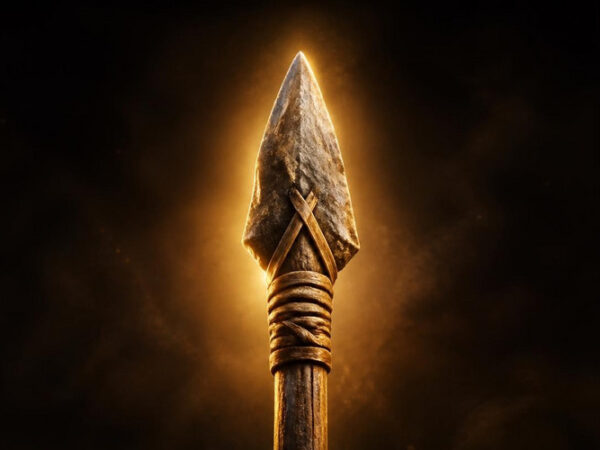
In some folk traditions, a broken arrow is considered a bad omen, portending failure or conflict. Conversely, finding an arrowhead is sometimes seen as a protective charm, believed to ward off negative energy. In Japanese folklore, arrows given at shrines are thought to bring good luck and protect against evil spirits, especially during the New Year. Hanging an arrow in the home is believed to aim misfortune away from the household.
Bow And Arrow in Art and Literature
In Western art, the bow and arrow are central to depictions of the goddess Diana (Artemis) and the god Apollo, seen in paintings by artists like Titian and Rubens. The Renaissance also produced allegorical works where the bow symbolizes the tension of love in Cupid’s iconography. In literature, the bow appears in Homer’s Odyssey as the test that Penelope sets for her suitors: only Odysseus can string his bow, proving his identity and reclaiming his household.
In modern literature, the bow and arrow feature in C. S. Lewis’s The Chronicles of Narnia where Susan Pevensie uses a bow, and in J. R. R. Tolkien’s The Lord of the Rings, the Elf Legolas is a master archer, embodying grace and precision. In film, archery is central to characters like Merida in Disney’s Brave and Katniss Everdeen in The Hunger Games, where the bow becomes a symbol of rebellion, independence, and survival.
Bow And Arrow Tattoo Meaning
A bow and arrow tattoo is a popular design that often symbolizes focus, direction, and personal power. The image can represent setting goals and the determination to reach them. An arrow pointing forward may signify progress and moving ahead in life. A broken arrow might indicate peace or the end of conflict. Combining the bow with other elements—like feathers, flowers, or geometric patterns—adds layers of personal meaning.
Meanings of Different Types, Colors, or Variations of Bow And Arrow
- Longbow: Often associated with medieval English archers, symbolizing tradition, strength, and simple craftsmanship.
- Recurve bow: Known for efficiency and power, representing adaptability and technical skill.
- Compound bow: A modern invention with mechanical advantages, symbolizing technological progress and strategic thinking.
- Crossbow: Historically seen as a more accessible weapon, representing ingenuity and the democratization of martial power.
- Arrow colors: White arrows may symbolize purity or peace; black arrows can represent mystery or protection; red arrows often denote passion, courage, or danger.
- Broken arrow: A universal symbol of peace or truce, signifying the end of hostilities.
- Two crossed arrows: Commonly represents friendship, alliance, or a bond of loyalty.
Frequently Asked Questions
Q: What does a bow and arrow symbolize in a dream?
A: In dreams, a bow and arrow often symbolize focus, ambition, or tension. Specific scenarios—like hitting or missing a target—can reflect feelings about goals, setbacks, or opportunities.
Q: What does a bow and arrow symbolize in love?
A: The bow and arrow are central to Cupid’s imagery, representing the sudden, often unpredictable nature of romantic love. A heart pierced by an arrow is a classic emblem of being struck by love.
Q: What is the spiritual meaning of a bow and arrow?
A: Spiritually, the bow and arrow represent focused intention, the release of burdens, and the journey toward a higher goal. Archery is used in some traditions as a form of meditation, emphasizing mindfulness and surrender.
Related Symbols
- Arrow: A companion symbol of direction and purpose
- Target: Represents the goal or objective
- Quiver: Symbolizes readiness and abundance
- Crossbow: A variant weapon with similar martial meanings
- Spear: Another ancient hunting and combat symbol