Briefly
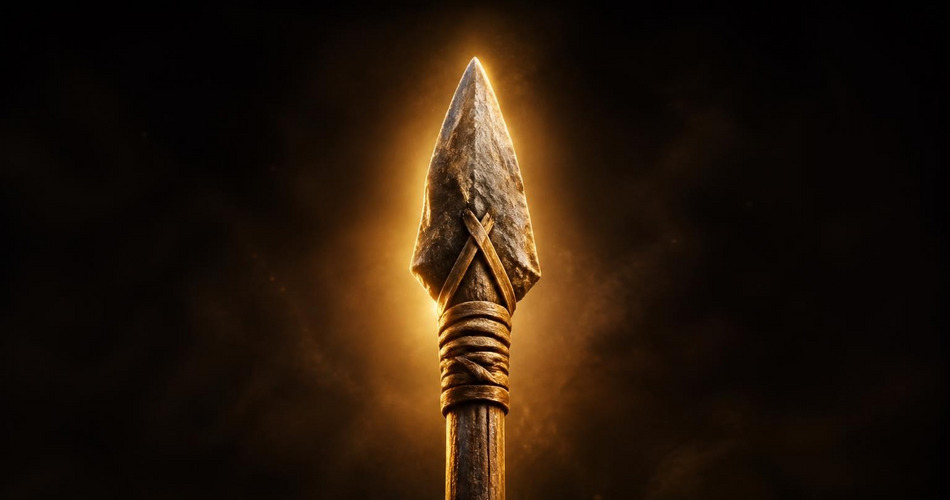
The spear is one of humanity’s oldest tools, used for hunting and warfare. As a symbol, it represents power, authority, courage, and the ability to defend or attack. Its dual nature as both a weapon and a tool for survival gives it rich symbolic meaning across cultures, often associated with warriors, kings, and deities. The spear embodies strength, precision, and the spear’s role in life-and-death struggles.
What Does Spear Symbolize?
The spear primarily symbolizes power and authority. As a weapon that can be thrown or thrust, it represents decisive action and the ability to strike from a distance or up close. In many cultures, the spear is a symbol of the warrior class, masculinity, and martial prowess. It also symbolizes hunting and the provision of food, linking it to survival and sustenance.
Additionally, the spear can symbolize protection, as it is used to defend against threats. In a spiritual context, the spear often represents the piercing of ignorance or evil, akin to a ray of light or a sharp truth. Its straight, pointed shape also suggests direction, purpose, and focus.
Positive and Negative Meanings
Positive associations: The spear is associated with courage, honor, and the ability to overcome obstacles. It symbolizes the warrior’s virtue, the hunter’s skill, and the leader’s authority. In many traditions, the spear is a tool of justice and protection, used to defend the weak and uphold order.
Negative meanings: The spear also represents violence, aggression, and destruction. It is a weapon of war that can cause harm and death. In some contexts, the spear symbolizes conflict, domination, and the imposition of will through force. Its phallic shape can also represent male aggression or sexual dominance.
History and Origins of the Spear Symbolism
The spear is among the earliest weapons used by humans, dating back to the Lower Paleolithic era. Early hominids used sharpened sticks for hunting, and later developed stone-tipped spears. The spear’s symbolism likely emerged from its practical importance: it was essential for survival, providing food and protection. As societies evolved, the spear became a status symbol for warriors and leaders. In ancient Egypt, the spear was associated with the god Horus and the pharaoh’s military might. In Greek mythology, the spear was the weapon of Athena, goddess of wisdom and war, and of Achilles, the greatest warrior. The Roman legionary’s pilum (javelin) symbolized Roman military discipline and power. The spear’s symbolism thus grew from its real-world use to represent broader concepts of authority, strength, and the warrior ethos.
Symbolism in Different Cultures
In Norse mythology, Odin’s spear Gungnir, crafted by dwarves, never missed its target. It symbolized Odin’s wisdom, power, and his role as a god of war and death. The spear was also a symbol of oath-taking: oaths sworn on a spear were considered binding.
In African cultures, the spear is a symbol of the warrior and the king. Among the Maasai, the spear is central to the identity of the moran (warrior), representing bravery and the transition to manhood. In Zulu culture, the spear (iklwa) is associated with Shaka Zulu’s military innovations and symbolizes unity and strength.
In Hindu mythology, the spear is the weapon of Kartikeya (Skanda), the god of war, representing victory over evil. The trishula (trident) is a variant of the spear associated with Shiva, symbolizing the three aspects of creation, preservation, and destruction.
In Chinese culture, the spear (qiang) is one of the four major weapons, symbolizing martial skill and the scholar-warrior ideal. It appears in martial arts and folklore as a tool of heroes.
In Native American cultures, the spear was used for hunting buffalo and warfare, symbolizing the provider and protector. The spear also held spiritual significance in rituals and vision quests.
Spiritual Meaning
Spiritually, the spear represents the piercing of illusion and the revelation of truth. It is a symbol of divine power and protection, often associated with solar deities and light. In some traditions, the spear is a symbol of the phallus and masculine creative energy, representing the union of heaven and earth. In Christian iconography, the spear that pierced Christ’s side (the Holy Lance) is a relic symbolizing sacrifice and redemption. The spear also appears in Buddhist and Hindu iconography as a weapon of wrathful deities that destroy ignorance and obstacles.
In Myths and Folklore
The spear appears in numerous myths worldwide. In Greek myth, the spear of Achilles was said to heal wounds it caused, a paradox reflecting the dual nature of weapons. The spear of Athena was used to mark the site of Athens. In Irish mythology, the spear of Lugh was one of the four treasures of the Tuatha Dé Danann, representing invincibility in battle. In Arthurian legend, the spear (or lance) of Longinus is associated with the Grail quest. In Japanese folklore, the spear (yari) is used by legendary warriors like Miyamoto Musashi. These stories often emphasize the spear’s magical properties, such as never missing or being unbreakable, reinforcing its symbolic power.
In Dreams
Dreaming of a spear can symbolize a need for protection, a desire to take decisive action, or feelings of aggression. It may represent a threat or a challenge that requires courage. In dream interpretation, a spear often reflects the dreamer’s assertiveness or fear of confrontation. The context of the dream—whether the spear is thrown, held, or broken—adds nuance. For example, a broken spear may indicate loss of power or a failed defense.
Common Dream Scenarios
- Throwing a spear: Symbolizes taking decisive action or launching a project. It may indicate a need to aim carefully at a goal.
- Being speared: Represents feeling attacked or vulnerable. It can also signify a sudden insight or a painful truth.
- Holding a spear: Suggests readiness to defend oneself or assert authority. It may reflect inner strength and confidence.
- Broken spear: Indicates loss of power, failure, or a need to reassess one’s approach. It can also symbolize the end of a conflict.
In Superstitions and Omens
In some cultures, finding a spear or a spearhead is considered a good omen, symbolizing protection or victory. In military traditions, a spear that breaks in battle is seen as a bad omen. In folk magic, spears are sometimes used in rituals for courage or to ward off evil. The spear is also associated with the concept of the spear of destiny, a legendary artifact believed to confer power over the world.
In Art and Literature
The spear appears in countless works of art and literature. In Homer’s Iliad, the spear is the primary weapon of heroes like Achilles and Hector, and its description often emphasizes the hero’s strength. In Shakespeare’s Macbeth, the spear is mentioned in the context of battle and ambition. In visual art, the spear is a common attribute of warrior saints like Saint George and of mythological figures such as Mars, the Roman god of war. In modern film, spears appear in historical epics like Gladiator and Braveheart, symbolizing ancient warfare and honor. In fantasy literature, such as J.R.R. Tolkien’s The Lord of the Rings, the spear is used by characters like Éomer and the Rohirrim, representing their martial culture.
Tattoo Meaning
Spear tattoos often symbolize strength, courage, and warrior spirit. They can represent a personal struggle or a protective force. A spear tattoo may also pay homage to one’s heritage, especially in cultures where the spear is a traditional weapon. The design can vary: a single spear suggests focus, while crossed spears may indicate conflict or balance. Some choose a spear tattoo to symbolize a hunter’s mindset or a connection to nature. The spear is also a popular element in tribal and Polynesian tattoo art, where it signifies status and bravery.
Meanings of Different Types, Colors, or Variations
The symbolism of a spear can vary based on its type. A javelin (throwing spear) symbolizes long-range power and precision, while a pike (long spear used in formation) represents collective strength and discipline. A harpoon (spear used for fishing) symbolizes the hunt for sustenance and the mastery of the sea. In heraldry, a spear may appear as a charge, often symbolizing military readiness or knightly virtue. The color of a spear in art or symbolism can also carry meaning: a golden spear may represent divine power, a silver spear purity, and a black spear death or mystery.
Frequently Asked Questions
Q: What does a spear symbolize in a dream?
A: In dreams, a spear often symbolizes assertiveness, protection, or a threat. It can indicate a need to take decisive action or a fear of confrontation.
Q: Is the spear a symbol of masculinity?
A: Yes, due to its phallic shape and association with warriors and hunting, the spear is often seen as a symbol of male power and virility in many cultures.
Q: What is the spiritual meaning of a spear?
A: Spiritually, the spear represents the piercing of illusion, the revelation of truth, and divine protection. It is also a symbol of sacrifice in some religious contexts.
Q: What cultures use the spear as a symbol?
A: The spear is a symbol in many cultures, including Norse, Greek, African, Hindu, Chinese, and Native American traditions, often representing war, authority, and hunting.
Related Symbols
- Arrow – similar projectile weapon, symbolizing direction and precision
- Sword – another bladed weapon, often symbolizing justice and power
- Lance – a cavalry spear, associated with knighthood and chivalry
- Trident – a three-pronged spear, symbol of sea gods and authority
- Javelin – a light throwing spear, representing athletic competition and warfare