Briefly
Chestnuts are rich in symbolism, representing abundance, fertility, and sustenance during the cold winter months. Their hard, spiky outer shell protects a nourishing kernel, making them a powerful emblem of hidden strength and resilience. Across many cultures, chestnuts also signify prosperity, good luck, and the promise of new life. Whether roasted over an open fire or used in festive decorations, chestnuts carry a warmth that transcends their physical form.
What Does Chestnut Symbolize?
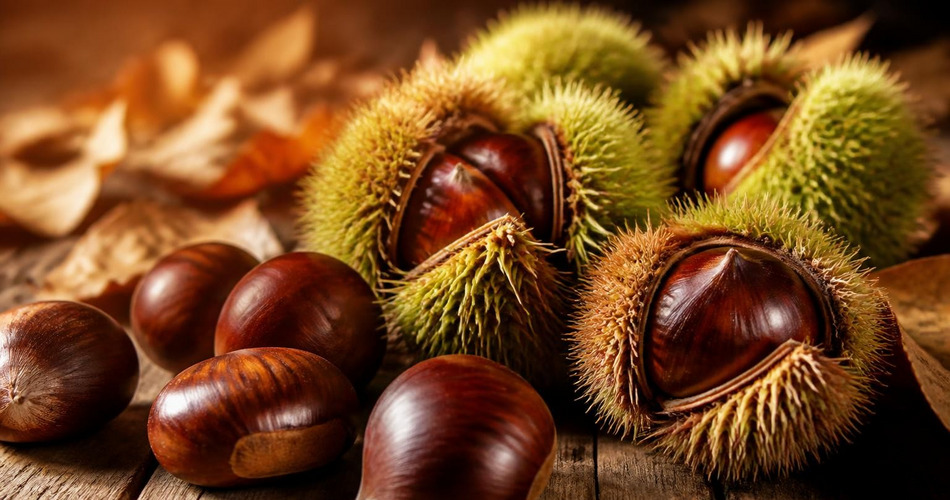
Chestnuts are primarily symbols of abundance and sustenance. As a staple food in many parts of the world, particularly in Europe and Asia, they represent the bounty of the harvest and the ability to survive harsh winters. The chestnut’s tough, spiny husk enclosing a smooth, edible nut also symbolizes protection and hidden inner value—the idea that true worth often lies beneath a rough exterior. In some traditions, the chestnut is a fertility symbol, linked to the cycle of life and renewal, because a single nut can grow into a mighty tree that produces for generations. Additionally, chestnuts are associated with warmth and comfort, largely due to the cozy tradition of roasting them during winter holidays.
Positive and Negative Meanings
Positive associations: Chestnuts are most often seen as positive symbols of abundance, prosperity, and resilience. They are gifts of nature that provide nourishment, and their presence in folklore often heralds good fortune. In many cultures, carrying a chestnut is believed to bring luck and ward off illness. The tree itself is long-lived, representing endurance, stability, and the continuity of family or community.
Negative meanings: On the negative side, chestnuts can sometimes symbolize hidden dangers or deception. The spiny burr can cause pain if touched carelessly, and the horse chestnut (Aesculus hippocastanum) is inedible and toxic to humans. This duality reflects the idea that not everything that appears attractive or promising is safe. Additionally, in some superstitions, a chestnut that falls prematurely or is found with a worm inside may be seen as an omen of lost opportunity or disappointment.
History and Origins of the Chestnut Symbolism
The chestnut tree (Castanea sativa) has been cultivated for thousands of years, especially in the Mediterranean region and East Asia. In ancient Rome, chestnuts were a staple food for soldiers and peasants, symbolizing strength and endurance. The Roman naturalist Pliny the Elder wrote about the chestnut’s ability to sustain people during famine, reinforcing its association with survival. In Japan, chestnuts (kuri) have been cultivated since prehistoric times and are mentioned in early chronicles as a symbol of victory over hardship—the word “kuri” can also mean “to overcome difficulty.” In Korea, chestnuts are traditionally given as gifts during weddings and ancestral rites, representing fertility and the hope for many children. The tree’s longevity (some specimens live over a thousand years) has also made it a symbol of immortality in certain Asian traditions.
Chestnut Symbolism in Different Cultures
In European folklore, chestnuts are strongly linked to Christmas and winter solstice celebrations. Roasting chestnuts on an open fire is a cherished tradition in many countries, symbolizing warmth, hospitality, and the sharing of food during the darkest time of the year. In France, the chestnut is called “marron” and is used in festive dishes, representing abundance and indulgence.
In Japan, chestnuts (kuri) are a symbol of autumn and are often eaten in seasonal dishes. They appear in the traditional Japanese sweet “kuri manju” and are associated with the autumn equinox. The chestnut is also a motif in Japanese art, representing strength and perseverance because the nut must break through its hard shell to sprout.
In Korea, chestnuts (bam) are one of the most important nuts for ancestral rites (jesa) and are included in the ritual food offerings. They symbolize abundance and the hope that the family line will continue to thrive. During traditional weddings, chestnuts are sometimes thrown at the bride as a blessing for fertility.
In China, chestnuts (lìzǐ) are associated with profit and success because the word for chestnut sounds similar to the word for “profit” in some dialects. They are often given as gifts during the New Year to wish for financial prosperity.
Spiritual Meaning of Chestnut
Spiritually, chestnuts represent the idea that true strength is often hidden beneath a rough exterior. The chestnut’s hard shell and spiny husk serve as a metaphor for spiritual protection—the ability to guard one’s inner light and wisdom from external negativity. Many people use chestnuts in meditation or as talismans to promote grounding and stability, especially during times of change. The nut’s association with winter and dormancy also connects it to the spiritual cycle of death and rebirth, reminding us that periods of rest and inner work are necessary for new growth. In some modern pagan practices, chestnuts are placed on altars to represent the element of earth and the abundance of the harvest season.
Chestnut in Myths and Folklore
In Greek mythology, the chestnut tree is sometimes linked to Zeus, the king of the gods. According to one story, the chestnut was created by Zeus as a food for humans during the winter, providing sustenance when other crops failed. The tree’s sacred nature is reflected in its Latin name, Castanea, which may derive from the Greek word “kastanon” (meaning “nut”) or from the town of Castana in Thessaly, where the tree was said to be especially abundant.
In Japanese folklore, chestnuts are associated with the mythical creature known as the “kuri no hō” (chestnut phoenix) or with the “kitsune” (fox), who is said to be fond of chestnuts. One folktale tells of a poor farmer who is rewarded with a chestnut tree by a fox for his kindness, and the tree produces abundant nuts that save his family from starvation.
In European superstition, it was believed that carrying a chestnut in your pocket would protect against rheumatism, back pain, and even the evil eye. In some rural areas, chestnuts were placed under the bed to ward off nightmares or hung in the home to bring good luck.
Chestnut in Dreams
Dreaming of chestnuts often relates to themes of hidden potential and abundance. The dream may be encouraging you to look beyond surface appearances to find inner value. Roasted chestnuts in a dream can symbolize comfort, warmth, and the enjoyment of life’s simple pleasures. Conversely, encountering a chestnut with a worm or rot inside might suggest disappointment or a missed opportunity.
Common dream scenarios involving chestnuts include:
- Gathering chestnuts: Indicates that you are collecting resources or preparing for future needs. It may be a sign of prosperity and good harvest ahead.
- Eating chestnuts: Represents satisfaction, nourishment, and fulfillment. You may be enjoying the fruits of your labor.
- Seeing a chestnut tree in bloom: Symbolizes potential, growth, and the beginning of a fruitful period in your life.
- Finding a chestnut on the ground: Suggests that an opportunity or gift is within reach—you need only to pick it up.
Chestnut in Superstitions and Omens
In many European traditions, chestnuts are considered lucky charms. A common superstition holds that carrying a chestnut in your pocket or purse will attract money and protect against financial loss. In some parts of Italy, it is believed that a chestnut placed on a windowsill keeps lightning away from the house. In Ireland, chestnuts were sometimes carried by fishermen to ensure a good catch. On the other hand, finding a chestnut that is shriveled or empty inside was seen as a bad omen, warning of disappointment or a failed venture. In some regions, it was considered unlucky to bring chestnuts indoors unless they were fully ripe, as unripe nuts were thought to invite quarrels.
Chestnut in Art and Literature
Chestnuts appear in a number of well-known works of art and literature, often symbolizing abundance, nostalgia, or the passage of time. The most famous literary reference is in Henry Wadsworth Longfellow’s poem “The Village Blacksmith” (1840), where the line “Under a spreading chestnut-tree” evokes a sense of stability and community. The chestnut tree here represents the steadfastness of the blacksmith and the enduring rhythms of rural life.
In painting, Vincent van Gogh’s “Blossoming Chestnut Tree” (1890) captures the tree in spring, using vibrant greens and whites to symbolize renewal and the beauty of nature. The chestnut blossoms in van Gogh’s work are often interpreted as a sign of hope and new beginnings.
In Japanese woodblock prints, chestnuts are a classic autumn motif, appearing in works by artists such as Utagawa Hiroshige. These prints celebrate the season’s bounty and often pair chestnuts with other symbols of fall, like maple leaves and mushrooms, creating a visual poem of harvest and transition.
In modern film, the chestnut tree is famously used as a central symbol in the Korean drama “Autumn in My Heart” (2000), where a chestnut necklace becomes a token of love and memory, representing the enduring bond between characters.
Chestnut Tattoo Meaning
Chestnut tattoos are not extremely common but carry deep personal significance for those who choose them. A chestnut tattoo often symbolizes resilience and hidden strength—the idea that true value lies beneath a tough exterior. It can also represent abundance and a connection to nature, especially for those who grew up foraging or harvesting chestnuts. In some cases, a chestnut tattoo serves as a reminder of one’s roots or family heritage, particularly for people of European or East Asian descent. The design can be simple, featuring a single nut, or more elaborate, incorporating leaves, burrs, or even a whole tree. The color of the chestnut (brown, gold, or green) can add further layers of meaning: a green chestnut might symbolize new beginnings, while a fully ripe brown one suggests maturity and wisdom.
Meanings of Different Types of Chestnuts
There are several types of chestnuts, each with slightly different symbolic nuances:
- Sweet chestnut (Castanea sativa): The edible variety, symbolizing nourishment, abundance, and hospitality. It is the most common in European traditions.
- Horse chestnut (Aesculus hippocastanum): Inedible and often associated with false appearances. Despite its toxicity, it is used in some folk remedies and symbolizes the need to look beyond the surface.
- Japanese chestnut (Castanea crenata): A staple in Japanese cuisine and folklore, representing strength, perseverance, and the overcoming of hardship.
- American chestnut (Castanea dentata): Once a dominant tree in the eastern United States, nearly wiped out by blight. It symbolizes loss, memory, and the fragility of nature, but also hope for restoration through ongoing breeding programs.
Frequently Asked Questions
Q: What does a chestnut symbolize in love?
A: In some cultures, chestnuts are given as love tokens, representing a promise of fidelity and enduring affection. The hard shell is seen as a metaphor for protecting the heart.
Q: Is it lucky to find a chestnut?
A: Yes, in many European traditions, finding a chestnut on the ground is considered good luck, especially if it is a sweet chestnut. It is believed to bring prosperity and protect against negative energy.
Q: What does it mean when you dream of chestnuts?
A: Dreaming of chestnuts often indicates hidden potential or upcoming abundance. It may suggest that you need to look beyond surface appearances to discover true value.
Q: Are chestnuts a symbol of Christmas?
A: Yes, chestnuts are strongly associated with Christmas traditions, especially in Western countries. Roasting chestnuts on an open fire is a classic symbol of winter warmth and family togetherness.
Q: What is the difference between a chestnut and a horse chestnut in symbolism?
A: Sweet chestnuts symbolize nourishment and good fortune, while horse chestnuts often carry negative connotations of deception or danger due to their inedibility.
Related Symbols
- Acorn – Symbol of potential, growth, and strength from small beginnings.
- Walnut – Represents wisdom, protection, and hidden knowledge.
- Pinecone – A symbol of fertility, eternal life, and enlightenment.
- Oak tree – Signifies strength, endurance, and royalty.
- Hazelnut – Associated with wisdom, divination, and inspiration.