Briefly
Clasped hands are a powerful gesture that symbolizes unity, agreement, and connection between individuals. This simple yet meaningful act often conveys loyalty, solidarity, or a shared commitment, whether in a handshake, a prayerful pose, or a supportive embrace of hands. Across different contexts, clasped hands can express everything from greeting and farewell to deep reverence and supplication.
What Does Clasped Hands Symbolize?
Clasped hands primarily symbolize unity and interpersonal connection. When two people join hands, they create a physical link that reflects a shared bond—be it friendship, partnership, or mutual support. In many cultures, this gesture is a universal sign of greeting, farewell, or congratulations, emphasizing trust and goodwill between the participants.
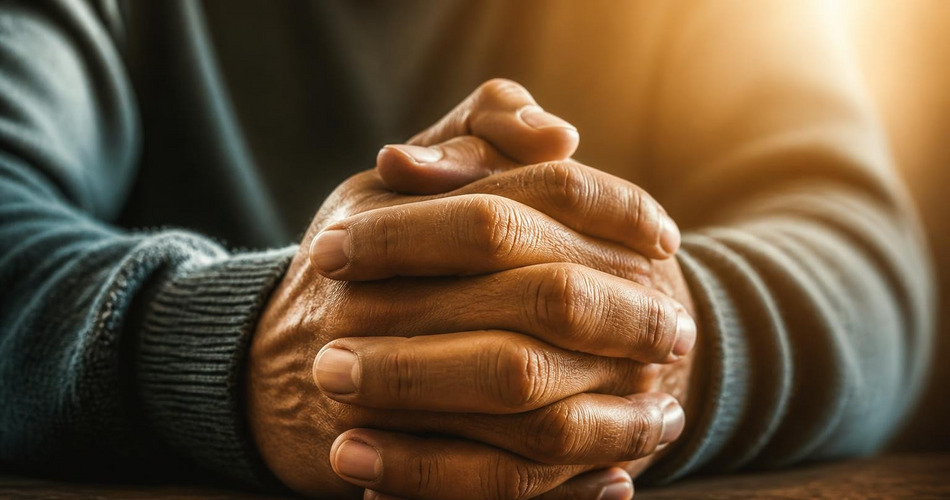
The gesture also carries strong connotations of prayer and devotion. Hands held together in a praying position are a widespread symbol of supplication, gratitude, or meditation across numerous religions and spiritual practices. This posture indicates focus, humility, and a turning inward toward the divine or the self.
Additionally, clasped hands can represent restraint or emotional control, as in holding oneself back or waiting patiently. The image of folded hands may suggest a state of readiness or attentive listening, often seen in formal settings or ceremonies.
Positive and Negative Meanings
Positive associations: Clasped hands are most often seen as a positive symbol of connection, cooperation, and mutual respect. In greetings, they facilitate trust and friendship; in prayer, they represent hope, faith, and inner peace. The gesture can also indicate solidarity, as when people join hands to show support for a cause or each other during difficult times.
Negative meanings: In some contexts, clasped hands can imply pleading or helplessness, as if begging for mercy or assistance. The posture of hands folded tightly may also suggest anxiety, nervousness, or a subconscious need for self-comfort. In certain social or hierarchical situations, it can convey submission or deference, especially when paired with a bowed head or downcast gaze.
History and Origins of Clasped Hands Symbolism
The act of clasping hands as a greeting dates back thousands of years. Archaeological evidence, including ancient Greek and Roman reliefs, depicts handshakes as gestures of trust and peace. In ancient Greece, shaking hands was a sign of friendship and was often shown in art to seal agreements or mark alliances. Roman soldiers clasped hands with their leaders to swear oaths of loyalty.
The prayerful posture of clasped hands has also ancient roots, appearing in early Christian iconography and before that in various pagan traditions. The joined hands position was adopted in medieval Europe as a gesture of feudal homage, where a vassal would place his hands between those of his lord to symbolize loyalty and service. Over time, this evolved into the common Christian prayer pose, representing submission to God and spiritual unity.
Clasped Hands Symbolism in Different Cultures
In Western cultures, the handshake is a standard greeting in both personal and professional settings, symbolizing mutual respect and the sealing of an agreement. The firmness of the clasp often communicates confidence and sincerity. In religious contexts, clasped hands are a universal symbol of prayer across Christianity, Islam, Judaism, and many Eastern traditions.
In many Asian cultures, the gesture of clasped hands takes the form of the namaste or anjali mudra, where the palms are pressed together near the chest or face. This greeting conveys respect, gratitude, and recognition of the divine in the other person. It is common in India, Nepal, and throughout Southeast Asia, and carries deep spiritual meaning in Hinduism, Buddhism, and Jainism.
In some African and Indigenous cultures, clasping hands can be part of elaborate greeting rituals that involve multiple gestures or the holding of hands for an extended period. These practices emphasize community, warmth, and the importance of personal connection beyond a simple handshake.
Spiritual Meaning of Clasped Hands
Spiritually, clasped hands represent the union of the individual soul with the universal or divine. The posture of hands in prayer is a physical expression of devotion and surrender, aligning the mind and heart toward a higher power. In meditation, clasped hands can serve as an anchor for concentration, helping the practitioner focus and center their energy.
The gesture also symbolizes the balance of earthly and spiritual energies. The left hand is often associated with receptivity, the right with action—clasping them together can signify the integration of these two aspects of the self. In Christian mysticism, folded hands are seen as a sign of humility and the containment of one’s own will in favor of divine guidance.
Clasped Hands in Myths and Folklore
Clasped hands appear in folklore as a symbol of binding promises or sealing pacts. In European fairy tales, characters often clasp hands to swear an oath or form an unbreakable agreement, such as in stories like “Rumpelstiltskin” where a handshake seals a bargain. The gesture is also associated with loyalty in legends of knights vowing fealty to their lords.
In some traditions, clasping hands with the dead or with supernatural beings is seen as dangerous, as it might create an eternal bond. Folklore warns against shaking hands with spirits or witches, as it could trap the living person in a pact or curse. Conversely, handclasps between lovers in myths often symbolize eternal love and fidelity.
Clasped Hands in Dreams
In dream interpretation, clasped hands can carry varied meanings depending on the context. A handshake with a stranger might indicate a new beginning or a pending agreement, while clasping hands with a known person could reflect desire for closer connection or reconciliation. If the hands are clasped in prayer in a dream, it may suggest a need for guidance, hope, or inner calm.
Common Dream Scenarios
- Shaking hands with a stranger: A new partnership, opportunity, or the need to trust someone unknown.
- Clasping hands with a loved one: A desire for deeper bonding, reassurance, or resolution of a conflict.
- Praying with clasped hands: A search for spiritual guidance, hope, or a sign that you seek inner peace.
- Hands clasped in anxiety: Nervousness about an upcoming event, secrecy, or feeling powerless.
- Refusing to clasp hands: Distrust, rejection, or a warning about a broken relationship.
Clasped Hands in Superstitions and Omens
In some superstitions, a handshake across a threshold is considered unlucky, as thresholds are seen as boundaries between worlds. Similarly, refusing a handshake can be a bad omen, signaling ill will or deceit. In certain cultures, clasping hands behind the back is thought to invite misfortune, as it hides the hands from view and implies secrecy.
In wedding traditions, the clasping of hands during the ceremony (the handfasting ritual) binds the couple symbolically for life, and it is considered bad luck to break that clasp before the vows are complete. Superstitions also warn against shaking hands over a grave or with a person who has just returned from a funeral, as it may transfer spiritual energy or bad luck.
Clasped Hands in Art and Literature
In art, clasped hands are a recurring motif depicting prayer, devotion, or emotional intensity. Albrecht Dürer’s famous drawing “Praying Hands” (c. 1508) is a celebrated representation of the gesture, showing worn hands folded in prayer, often interpreted as a symbol of piety and sacrifice. The image has become an icon of faith and artistic craftsmanship.
In literature, clasped hands frequently appear in scenes of farewell, mutual understanding, or sealing a fateful decision. In Charles Dickens’ novel Great Expectations, the handshake between Pip and Magwitch at the convict’s deathbed symbolizes forgiveness and redemption. In Shakespeare’s Romeo and Juliet, the lovers’ handclasp in the balcony scene signifies their secret union and impending tragedy.
In film, the visual of clasped hands is often used to convey unity, as in the final scene of “The Breakfast Club” where the characters join hands, symbolizing their newfound connection across social divides. Similarly, many war films use handclasps between soldiers to represent brotherhood and shared sacrifice.
Frequently Asked Questions
Q: What does it mean when someone clasps their hands behind their back?
A: It often signals a relaxed, open, or authoritative posture, but can also indicate that the person is hiding something or feels vulnerable.
Q: Why do we clasp hands in prayer?
A: The gesture is a physical expression of humility, focus, and devotion, common across many religions to center oneself before a higher power or during meditation.
Q: Is a handshake always a positive symbol?
A: Generally yes, but it can also imply formality or a power dynamic; a weak or limp handshake may be interpreted as lack of confidence or interest.
Related Symbols
- Handshake – a specific form of clasped hands symbolizing agreement and trust
- Namaste / Anjali Mudra – a spiritual hand-clasp gesture of respect and greeting
- Handfasting – a wedding ritual where hands are bound together to symbolize union
- Folded Arms – a similar gesture but often indicating defensiveness or self-comfort
- Prayer Beads – used alongside clasped hands in many religious traditions