Briefly
The claw is a powerful symbol of raw strength, predation, and the untamed forces of nature. As a tool for hunting, defense, and climbing, it represents survival, ferocity, and the ability to seize opportunities. Across cultures, claws have also been used as talismans for protection and status, embodying the dual nature of danger and guardianship.
What Does the Claw Symbolize?
At its core, the claw symbolizes power and the primal instinct to dominate or defend. In the animal kingdom, claws are essential for catching prey, fighting rivals, and climbing, making them a direct representation of capability and self-reliance. The claw also signifies protection, both as a natural weapon and as a cultural artifact used in amulets and jewelry to ward off harm.
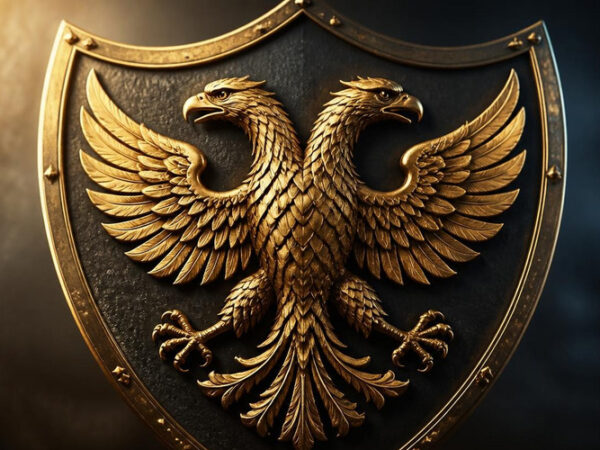
In heraldry and symbolism, claws—especially those of eagles, lions, and griffins—represent authority, nobility, and martial prowess. A claw gripping an object, such as a sword or scepter, reinforces themes of control and sovereignty. Conversely, a detached claw can symbolize a trophy or a warning, marking the boundary between the civilized and the wild.
Positive and Negative Meanings
Positive associations: The claw is often linked to strength, courage, and the ability to overcome obstacles. In many traditions, wearing a claw talisman is believed to grant the wearer the animal’s ferocity and protective qualities. It can also represent skill and precision, as in the controlled grip of a bird of prey.
Negative meanings: Claws also evoke danger, aggression, and predation. They are reminders of the harsh realities of nature—the struggle for survival and the threat of violence. In some contexts, claws symbolize greed or a grasping, selfish nature, as in the phrase “getting one’s claws into something.”
History and Origins of Claw Symbolism
The use of claws as symbols dates back to prehistoric times, when early humans wore claw necklaces and amulets as markers of hunting prowess and spiritual protection. Archaeological finds from the Paleolithic era show that claws—especially those of large predators like bears and big cats—were often perforated and strung as jewelry, suggesting they held deep ritual significance.
In medieval European heraldry, the claw (or “talon”) became a common charge, particularly in the depiction of griffins, eagles, and lions. According to Stephen Friar’s New Dictionary of Heraldry, a griffin’s claw was believed to have medicinal properties, and its feathers were thought to cure blindness. This belief elevated the claw from a mere emblem of strength to a symbol of healing and divine protection.
Claw Symbolism in Different Cultures
In Native American cultures, the claws of eagles and bears are revered as sacred objects. Eagle claws are often used in ceremonial regalia, such as headdresses and medicine bundles, symbolizing a connection to the sky, vision, and spiritual power. Bear claws, meanwhile, represent grounding, strength, and healing, and are worn as amulets for protection.
In Asian traditions, the dragon’s claw is a potent symbol of imperial authority and cosmic power. Chinese dragon claws, typically shown with three, four, or five toes, were used to denote rank—five-clawed dragons were reserved for the emperor and his highest officials. The claw’s grip on a pearl or flaming jewel represents the mastery of wisdom and destiny.
In ancient Egyptian mythology, the claw of the goddess Sekhmet—a lioness-headed deity of war and healing—was both a weapon of destruction and a tool of protection. Amulets shaped like lion claws were placed in tombs to guard the deceased in the afterlife, blending the claw’s dual nature as a symbol of both danger and safety.
Spiritual Meaning of Claws
Spiritually, claws are often seen as symbols of grounding and connection to the earth. Animals with claws—such as bears, eagles, and wolves—are considered spirit guides that teach lessons of strength, patience, and assertiveness. The claw’s ability to grip firmly is interpreted as a reminder to hold onto one’s beliefs and to stand one’s ground.
In shamanic traditions, claw amulets are used for protection during spiritual journeys, believed to cut through negative energies or psychic attacks. The claw is also associated with the root chakra, representing survival instincts and the physical will to live.
Claws in Myths and Folklore
The griffin, a mythical creature with the body of a lion and the head and wings of an eagle, is one of the most famous bearers of claw symbolism. Its talons were thought to possess medicinal properties, as noted in heraldic lore, and griffin claws were sometimes mounted as drinking vessels believed to neutralize poison. This belief persisted into the Renaissance, reflecting the claw’s association with both danger and remedy.
In Norse mythology, the claws of the giant eagle Hræsvelgr were said to create the wind when it beat its wings. Similarly, in Japanese folklore, the tengu—a supernatural creature with bird-like features—is often depicted with sharp claws, representing its wild, untamed nature and its role as a protector of the mountains.
Claws in Dreams
Dreaming of claws often points to feelings of being threatened or under attack, but it can also signify inner strength and the need to defend oneself. The context of the dream—such as the type of animal, the condition of the claw, and the dreamer’s interaction with it—shapes the interpretation.
Common Dream Scenarios
- Being scratched by a claw: May indicate a fear of being hurt emotionally or physically, or a warning about a person or situation that feels predatory.
- Finding or holding a claw: Suggests the dreamer is gaining access to their own power or protective instincts, or is about to overcome a challenge.
- A claw gripping you: Could represent feeling trapped or controlled by someone or something, such as a relationship or job.
- An animal with prominent claws: Often reflects the dreamer’s perception of that animal’s qualities—such as a bear’s strength or an eagle’s vision—as something they need to embody or be wary of.
Claws in Superstitions and Omens
In many folk traditions, carrying a claw—especially from a bear, eagle, or big cat—is considered a powerful protective charm. Hunters and warriors wore claw amulets to absorb the animal’s ferocity and to ward off evil spirits. In some European superstitions, a claw hung above a doorway was believed to prevent witches from entering.
Conversely, finding a claw unexpectedly could be seen as an omen of conflict or a warning to be cautious. In certain cultures, dreaming of a claw breaking was thought to foretell a loss of power or status.
Claws in Art and Literature
In heraldic art, claws are a standard feature of many charges. The griffin’s claw appears in countless coats of arms across Europe, often symbolizing vigilance and military strength. The claw of the lion—known as a “gamb” in heraldry—is also common, sometimes shown erased (torn off) as a symbol of conquered power.
In literature, claws frequently appear as metaphors for grasping ambition or predatory nature. In William Shakespeare’s Hamlet, the phrase “a claw of the lion” is used to describe a threat that is both powerful and imminent. In modern fantasy, such as J.R.R. Tolkien’s The Hobbit, the claws of the dragon Smaug are described in vivid detail, emphasizing his destructive greed and the danger he poses to the protagonists.
Meanings of Different Types of Claws
- Eagle claw: Represents vision, freedom, and spiritual authority. Often used in Native American regalia and as a symbol of high rank.
- Bear claw: Symbolizes strength, grounding, and healing. Bear claw amulets are worn for protection and courage.
- Lion claw: Associated with royalty, courage, and dominance. In heraldry, the lion’s claw is a common emblem of nobility.
- Griffin claw: Carries connotations of both martial power and medicinal healing, as noted in heraldic tradition.
- Dragon claw: In East Asian cultures, the dragon’s claw is a symbol of imperial authority and cosmic control, with the number of toes indicating rank.
Frequently Asked Questions
Q: What does a claw symbolize in jewelry?
A: Claw jewelry, such as pendants and rings, often symbolizes protection, strength, and a connection to the animal’s spirit. It can also serve as a status symbol or a talisman for courage.
Q: Is a claw a positive or negative symbol?
A: The claw is dual-natured: it can represent power, protection, and skill, but also aggression, danger, and predation. Its meaning depends on context and cultural tradition.
Q: What does it mean to dream about a claw?
A: Dreaming of a claw often relates to feelings of threat or the need to defend oneself. It may also indicate that the dreamer is accessing their own inner strength or facing a predatory situation.
Related Symbols
- Griffin – Mythical creature whose claws held medicinal and protective significance in heraldry.
- Eagle – Bird of prey whose talons symbolize vision, freedom, and spiritual authority.
- Bear – Animal whose claws represent strength, grounding, and healing in many cultures.
- Lion – King of beasts whose claws are emblems of royalty and courage in heraldry.
- Dragon – Mythical beast whose claws signify imperial power and cosmic mastery in East Asian traditions.