Briefly
Geckos are small reptiles known for their remarkable ability to climb smooth surfaces, regenerate lost tails, and adapt to diverse environments. Across cultures, they symbolize adaptability, regeneration, and survival. In many traditions, geckos are considered omens of good luck, fertility, and protection, though some superstitions cast them as deceptive or ominous. Their unique traits make them powerful symbols of resilience and transformation.
What Does Gecko Symbolize?
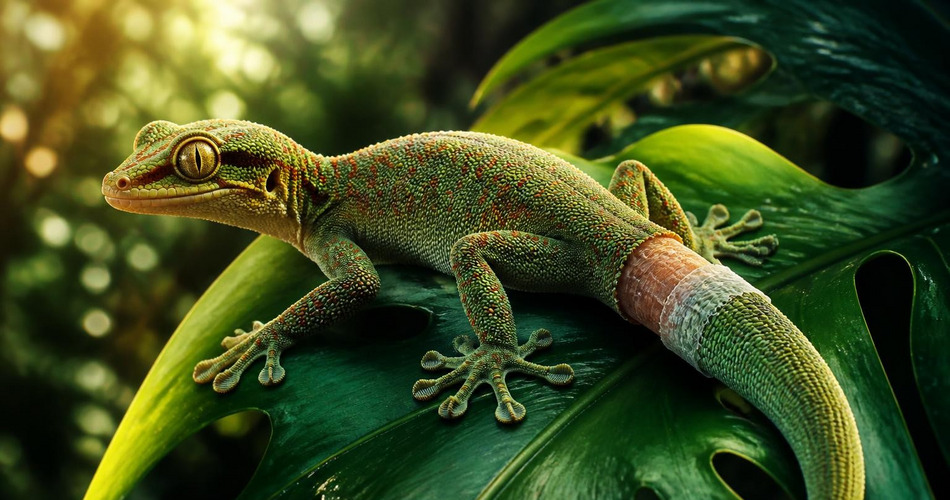
Geckos are often seen as symbols of adaptability due to their ability to thrive in various habitats, from rainforests to deserts and even human homes. Their climbing prowess, enabled by microscopic hairs on their feet, represents the capacity to overcome obstacles and reach new heights. The gecko’s ability to shed and regenerate its tail is a potent emblem of renewal, letting go of the past, and healing from trauma.
Additionally, geckos are associated with patience and stealth, as they wait motionless for prey before striking. Their nocturnal nature links them to the moon, intuition, and the hidden aspects of life. In many cultures, geckos are guardians of the home, believed to bring good fortune and ward off evil spirits.
Positive and Negative Meanings
Positive associations: Geckos are widely regarded as bringers of good luck, especially in parts of Asia and the Pacific. Their regenerative ability is a powerful metaphor for healing, growth, and the cyclical nature of life. As skilled hunters of insects, they are welcome guests in homes, symbolizing protection from harm and pests.
Negative meanings: In some folklore, geckos are considered deceitful or harbingers of misfortune. Their sudden appearance or call can be interpreted as an omen of death or illness. The gecko’s ability to lose its tail is also sometimes seen as a sign of cowardice or weakness.
Gecko Symbolism in Different Cultures
In Hawaiian culture, the gecko (mo’o) is a revered creature, often seen as a guardian spirit (aumakua). Geckos are believed to protect families and bring good luck. They appear in traditional chants and legends as powerful beings that can influence the weather and guard sacred places.
Throughout Southeast Asia, geckos are considered auspicious. In countries like Thailand, Indonesia, and the Philippines, the gecko’s call is thought to foretell good news or a change in fortune. Conversely, in parts of India, a gecko falling on a person is considered unlucky and may require ritual cleansing.
In African traditions, geckos are sometimes viewed with ambivalence. Among some communities, they are seen as messengers of ancestors, while elsewhere they are feared as omens of death. In Maori culture, the gecko (moko) is a symbol of survival and adaptability, often depicted in carvings and tattoos to represent protection and strength.
Spiritual Meaning of Gecko
Spiritually, the gecko represents the ability to navigate life’s challenges with grace and agility. It encourages embracing change and trusting one’s instincts. As a totem animal, the gecko teaches the value of letting go of what no longer serves us, as symbolized by its tail regeneration. It also invites a deeper connection with our inner voice and the shadow self, given its nocturnal habits.
In shamanic traditions, the gecko is a guide for those undergoing transformation, helping to shed old patterns and emerge renewed. Its presence in dreams or meditations may signal a need for flexibility or a reminder to stay grounded while pursuing goals.
Gecko in Myths and Folklore
In Polynesian mythology, the gecko is often a trickster figure, but also a creator. Some legends tell of the gecko giving fire to humans or teaching them important skills. In Australian Aboriginal stories, geckos are ancestral beings associated with creation and the landscape.
In Filipino folklore, the gecko (tuko) is believed to bring good luck if it makes a sound near the house, but its appearance can also be a bad omen. There are tales of giant geckos that guard treasures or punish those who disrespect nature.
Gecko in Dreams
Dreaming of a gecko often relates to themes of adaptability, renewal, and hidden opportunities. The context of the dream can provide more specific insights. Geckos in dreams may also highlight a need to be more flexible in waking life or to let go of something that is holding you back.
Common Gecko Dream Scenarios
- Seeing a gecko on a wall or ceiling: Indicates that you are observing a situation from a distance; you may need to take action or remain patient.
- A gecko losing its tail: Symbolizes letting go of a burden or experiencing a loss that leads to personal growth.
- Being chased by a gecko: Suggests you are avoiding a small but persistent issue that needs attention.
- Multiple geckos: Represents abundance, a busy period, or the need to adapt to many changes at once.
- Touching or holding a gecko: Indicates a willingness to embrace change or connect with your intuitive side.
Gecko in Superstitions and Omens
- In many Latin American countries, the gecko’s chirp is thought to announce the arrival of visitors or good news.
- In some Chinese traditions, the gecko is associated with protection and is believed to bring wealth to a household.
- A gecko entering a home is often welcomed as a sign of good luck, but if it dies inside, it may foretell misfortune.
- In parts of India, hearing a gecko’s call is considered auspicious, but having one fall on your head or right shoulder is a bad omen requiring purification rituals.
Gecko in Art and Literature
One of the most recognizable geckos in popular culture is the Geico gecko, created in 1999 as the mascot for the insurance company Geico. The gecko, with its Cockney accent, became a symbol of cleverness, approachability, and savings. This example shows how the gecko’s inherent traits of adaptability and friendliness are leveraged in advertising.
In Maori carving, the gecko (moko) is a common motif representing protection, strength, and the connection between the physical and spiritual worlds. Contemporary artists in New Zealand often incorporate geckos into their works to evoke these traditional meanings.
Geckos also appear in children’s literature, such as The Gecko and the Sticky Bird by Jennifer Ward, a story about adaptability, and in various scientific texts that highlight the gecko’s unique biological abilities, inspiring biomimetic designs in robotics and adhesives.
Gecko Tattoo Meaning
Gecko tattoos are popular for their aesthetic appeal and rich symbolism. They often represent survival, regeneration, and a connection to nature. The gecko’s ability to regrow its tail makes it a symbol of healing and resilience, ideal for those who have overcome adversity. In Polynesian or Maori-inspired designs, gecko tattoos can signify tribal identity, protection, and spiritual guidance.
Colors in gecko tattoos can add layers of meaning: green emphasizes nature and growth, blue suggests calm and intuition, while red may denote passion and energy. Placement often varies, but many choose to ink a gecko on the foot or ankle to mirror its agile climbing nature.
Meanings of Different Gecko Types, Colors, or Variations
- Green gecko: Associated with nature, healing, and harmony. The green gecko is often seen as a symbol of growth and renewal.
- Gold dust day gecko: Its bright green and red markings link it to vitality, passion, and tropical energy. Native to Madagascar, it is a popular symbol of exotic beauty.
- Leopard gecko: Known for its spotted pattern, it represents uniqueness, camouflage, and adaptability. Its calm temperament also makes it a symbol of patience.
- Tokay gecko: With its loud call and aggressive nature, the tokay is a symbol of assertiveness and protection. In some cultures, it is feared for its bite, but also respected as a guardian.
Frequently Asked Questions about Gecko Symbolism
Q: What does it mean when a gecko visits you?
A: Many cultures interpret a gecko’s visit as a sign of good luck, a message from the spirit world, or a reminder to be adaptable and patient.
Q: Are geckos considered good luck?
A: Yes, in many parts of the world, especially in Hawaii, Southeast Asia, and among some Indigenous communities, geckos are considered auspicious and bringers of fortune.
Q: What does a gecko symbolize in the Bible?
A: Geckos are mentioned in the Bible (Leviticus 11:29-30) among unclean animals, but no symbolic meaning is elaborated. Later folklore sometimes associates them with impurity, but this is not a major interpretation.
Q: Is it bad luck to kill a gecko?
A: In many superstitions, killing a gecko is believed to bring bad luck, as they are seen as protectors and beneficial creatures that control pests.
Related Symbols
- Lizard – shares many symbolic traits like regeneration and adaptability, but often represents dreams and intuition more broadly.
- Salamander – associated with fire, transformation, and purification in alchemical traditions.
- Snake – symbolizes rebirth, healing, and cunning, often contrasted with the gecko’s benign nature.
- Butterfly – another emblem of transformation and renewal, though focused on metamorphosis rather than regeneration.
- Frog – represents abundance, cleansing, and transition, linking to the gecko’s role as a rain bringer in some cultures.